In 2026, the best soundproof panels are not simply the thickest or most expensive. The right choice depends on the noise, the room, and how sound enters it. A panel may reduce echo inside a room, but that does not automatically block traffic, voices, or machinery from passing through a wall. That distinction matters.
The World Health Organization’s 2011 Burden of Disease from Environmental Noise report estimated that traffic-related noise caused at least one million healthy life-years lost annually in Western Europe. It is a stark reminder that unwanted sound affects more than comfort. Still, panels are only one part of a sound-control plan. Gaps around doors, thin walls, and untreated ceilings can undermine an otherwise promising product. Small details matter.
For a reliable comparison, look beyond marketing claims. Check whether a product’s sound ratings apply to the panel alone or to a tested wall assembly. ASTM E90 measures airborne sound transmission loss in laboratory conditions, while ASTM E413 classifies sound-insulation performance. Neither rating guarantees the same result in every home or office. This guide compares panel types, materials, installation needs, and real-world limitations, so readers can match a product to the sound they actually hear. Some rooms will still need more than panels.
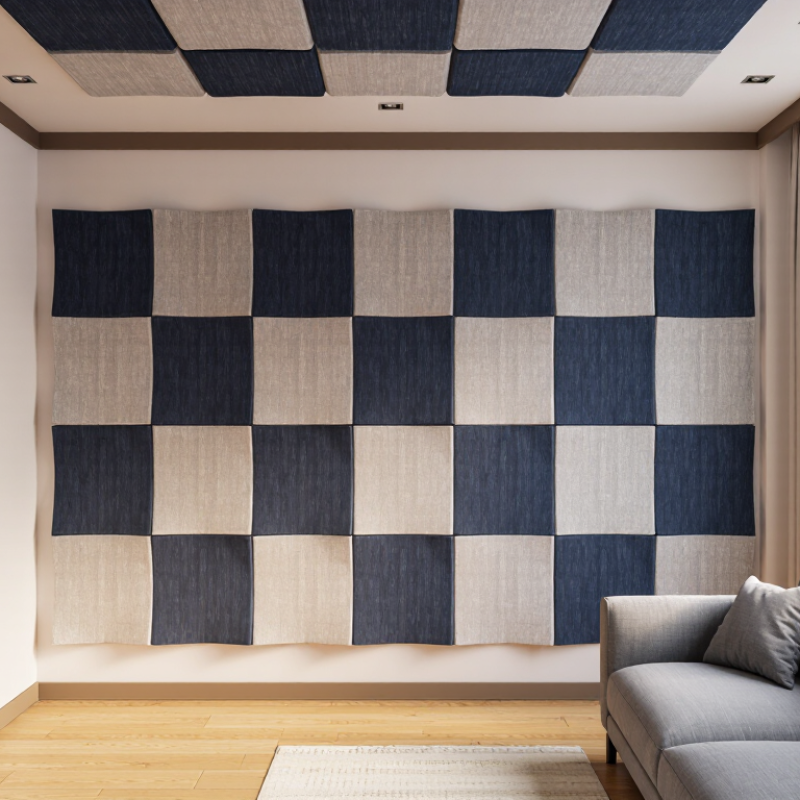
What Are the Best Soundproof Panels in 2026? The answer depends on what “soundproof” means in your room. Most wall panels absorb reflections, reducing echo and making speech clearer; they rarely stop sound passing through a wall.
A useful technical check is the Noise Reduction Coefficient (NRC). ASTM C423 calculates NRC from absorption measurements at 250, 500, 1,000, and 2,000 Hz, rounded to the nearest 0.05. A higher NRC indicates stronger absorption across those frequencies, not a guaranteed reduction in noise reaching the next room. That distinction matters.
For a practical example, panels can soften a sharp voice reflection in a home office, but bass from a subwoofer may still travel through the floor and framing.
ASTM E90 measures sound transmission through building elements, while ASTM E413 uses those results to determine a Sound Transmission Class (STC) rating. These are different tests from absorption testing.
If hallway noise is the problem, inspect gaps around doors, windows, and outlets; even a small air leak can undermine heavier construction. Dense panels may help, but adding them without sealing leaks can disappoint.
I’d check lab-tested absorption data and the panel’s intended use before buying. Real rooms are messy, and lab results cannot promise the same outcome.
Choosing soundproof panels starts with defining the problem: echo inside a room or noise passing through a wall. These are different jobs. Porous panels mainly absorb reflections; they rarely stop voices traveling through a thin partition. Look for independent laboratory results, not a vague “soundproof” claim.
ASTM C423 measures sound absorption in a reverberation room. Its Noise Reduction Coefficient (NRC) averages absorption at 250, 500, 1,000, and 2,000 hertz, then rounds the result to the nearest 0.05. A higher NRC can help tame speech reflections, but it does not show how much sound a panel blocks. Numbers matter. For transmission loss, check test data for the complete wall or ceiling assembly, measured under ASTM E90 and classified under ASTM E413. The Sound Transmission Class rating is based on performance across frequencies from 125 to 4,000 hertz.
Test conditions matter, too. Ask whether the reported panel size, air gap, mounting method, and room setup match your installation. A panel tested with an air gap may perform differently when fixed directly to a wall. This detail is easy to overlook. Even a strong rating has a blind spot: low-frequency bass may remain intrusive, especially near a corner. Compare frequency-by-frequency results where available, and inspect the panel’s thickness, coverage, and fire-safety documentation before choosing.
Soundproof panels do different jobs, and “soundproof” can be misleading. Most absorb reflections inside a room; they do not stop sound passing through a thin wall. The key distinction is absorption versus isolation. For a home office with a sharp echo, porous panels may help. For traffic rumble, the wall, windows, and gaps matter more.
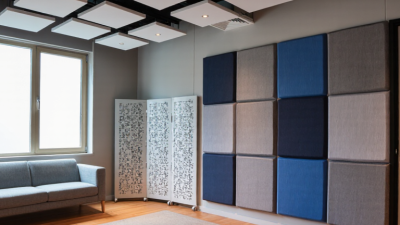
Fabric-wrapped fiberglass or mineral wool panels usually absorb speech and mid-to-high frequencies effectively. Thicker panels, or panels mounted with an air gap, can improve lower-frequency absorption. Acoustic foam is light and convenient, but thin foam often does little for bass. That detail is easy to overlook. ASTM C423-23 measures absorption in a reverberation room; its Noise Reduction Coefficient averages results at 250, 500, 1,000, and 2,000 Hz. One number cannot describe performance at every frequency.
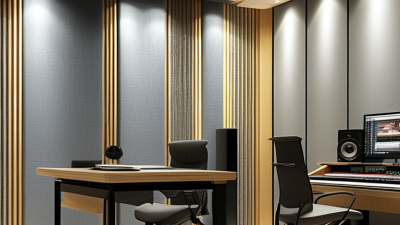
Perforated wood and slatted panels combine a hard surface with an absorptive backing. They can soften room reflections while preserving a lively feel, though their effect depends on the backing and spacing. I would not choose them by appearance alone; I have seen attractive finishes distract from the actual acoustic specification. The WHO’s 2018 Environmental Noise Guidelines recommend keeping bedroom noise below 30 dB(A) at night, but that is an indoor noise guideline, not a panel rating. Check frequency-specific test data, and remember that panels alone may not reach it.
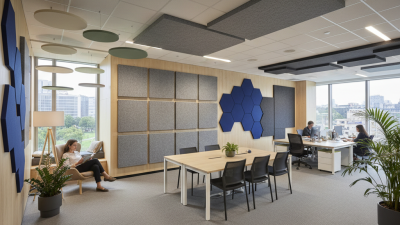
The best soundproof panels depend on what you hear and where it happens. Panels made with porous materials, such as mineral wool or fiberglass, can reduce echoes and soften voices in a home office. Fabric-covered panels work well on walls where people speak, while ceiling panels can help in rooms with hard floors and tall ceilings. That distinction matters. These treatments absorb sound inside a room; they usually do not stop traffic or a neighbor’s television from passing through a wall.
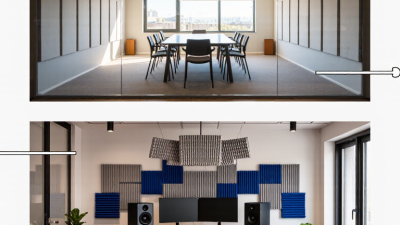
For low rumbles from buses or subwoofers, thin foam panels are rarely enough. Thicker absorbers, installed with an air gap, may help control bass, but building gaps and lightweight walls can still leak sound. In a meeting room, place panels near reflective surfaces, such as the bare wall behind a speaker. In a bedroom, consider whether the main problem is echo or noise entering from outside before choosing materials. Measure before buying. A hand clap can reveal a sharp echo, but it cannot identify every noise path. One easy mistake is covering every wall; that can make a room feel unnaturally dull without solving the original problem.
Choosing soundproof panels in 2026 starts with identifying the noise problem. Most lightweight panels absorb reflections inside a room; they do not fully block noise passing through walls. That distinction matters. A home office with echo may need fewer panels than a lively, hard-surfaced meeting room. Listen from the usual seat, and note whether voices sound harsh or simply carry from another room.
Installation affects performance and appearance. Measure the wall before ordering, then mark likely reflection points near desks, speakers, or meeting tables. Spread panels across the problem area instead of clustering them in one decorative patch. Small gaps matter. Use mounting hardware suited to the wall, and check that panels will not cover vents, switches, or access points. I would avoid promising a perfect result from a layout drawn on paper; rooms behave differently once furnished.
Coverage is best judged by listening after installation. Record a short voice sample from the same position before and after, or ask someone to speak across the room. Add panels only where echo remains noticeable. Keep a few spare pieces if the layout may change. For maintenance, dust panels gently with a soft brush or vacuum attachment, and follow the material’s cleaning instructions. Some marks will remain, unfortunately. Recheck mounts now and then, especially in busy rooms, and replace panels that sag, shed, or become damaged.