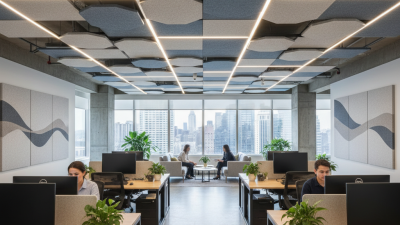
Best Wall Acoustic Panels in China for Your Acoustic Needs?
When considering acoustic solutions, "wall acoustic panels" emerge as essential components. Recent industry reports indicate that effective acoustic management can reduce noise levels by up to 30%. In spaces where sound quality matters, such as recording studios or offices, selecting the right panels is crucial.
China has become a hub for innovative acoustic solutions. It offers a wide range of options that combine aesthetics with functionality. Market analyses reveal a steady growth in demand for high-quality wall acoustic panels. This is driven by the rising awareness of acoustic comfort in both residential and commercial environments.
However, not all panels deliver the promised performance. Some products may lack the expected sound absorption capabilities. Potential buyers need to research carefully. It remains vital to choose panels that suit specific acoustic needs. Thus, understanding the specifications and applications of wall acoustic panels is imperative. Proper selection leads to improved sound quality and a more pleasant environment.
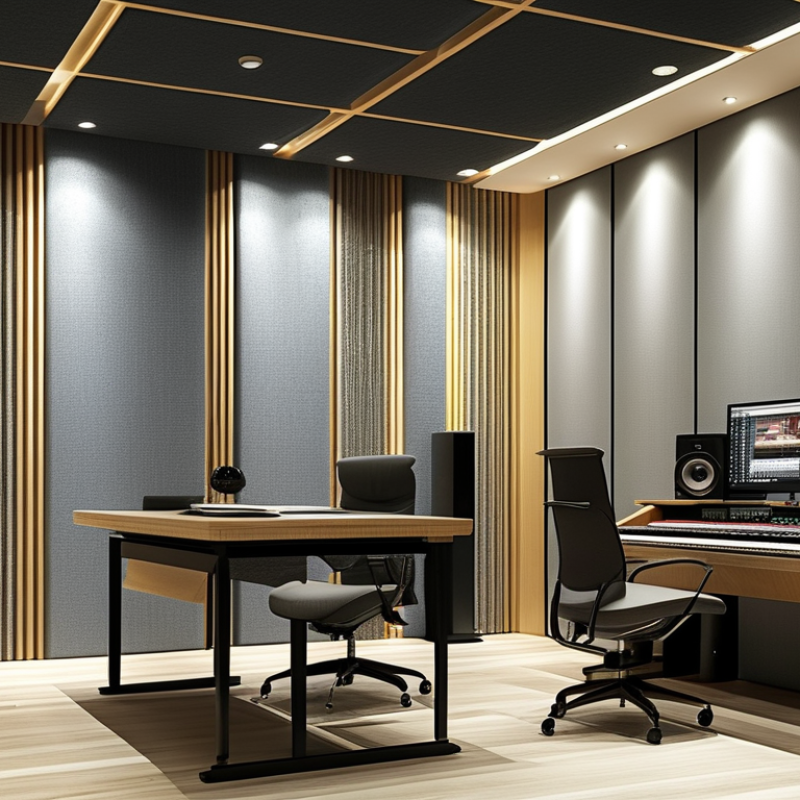
Overview of Acoustic Panels and Their Importance in Sound Treatment
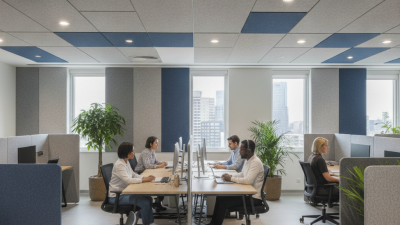
Acoustic panels play a vital role in sound treatment. They help control unwanted noise and enhance sound quality in various environments. Proper sound treatment improves communication in offices, clarity in music studios, and overall comfort in homes. The right materials absorb or diffuse sound, minimizing echoes and reverberations.
Selecting the best wall acoustic panels requires understanding your specific needs. Factors like room size, ceiling height, and the type of sound you want to manage matter. Soft materials like fabric and foam are popular for absorbing sound. However, not all panels are effective for every situation. Testing and adjusting placement can lead to better results.
In many cases, people overlook the importance of placement. An even distribution of panels often yields clearer sound. Nevertheless, it is sometimes beneficial to experiment with different configurations. Reflection points should be identified and treated effectively. Finding the right balance might take time and patience, but it is worth the effort for improved acoustics.
Types of Acoustic Panels Available in China for Different Environments
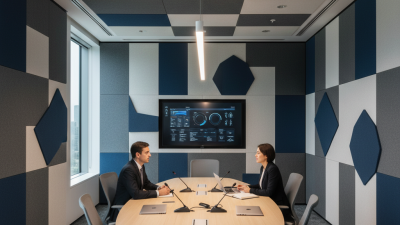
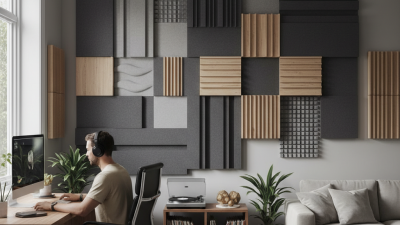
When considering acoustic panels in China, it's essential to explore the various types available. Each type caters to different needs and environments. Fabric-wrapped panels, for instance, are widely used in offices and conference rooms. They offer aesthetic appeal while effectively controlling sound reflections. Wood panels provide a more natural look and are often used in restaurants and lounges. Their warm tones create an inviting atmosphere.
In contrast, foam panels are popular in home studios and bedrooms. They are lightweight and come in various shapes, making them versatile for different spaces. However, they may not be as effective in professional environments. The choice of panel should align with the specific acoustical requirements of the space. It's crucial to assess the room's dimensions and use before making a decision.
When selecting acoustic panels, consider the installation process. Some options may require professional help, while others are DIY-friendly. This consideration can impact project costs. It’s also vital to understand that not every type will work perfectly in every environment. Each has strengths and weaknesses to reflect upon before investing. An informed choice will ensure the best acoustic enhancement for your needs.
Key Features to Consider When Selecting Wall Acoustic Panels
When selecting wall acoustic panels, several key features are crucial for optimal sound absorption. Material type is a critical aspect. Panels made from foam, fabric, or wood vary significantly in performance. Foam panels often absorb higher frequencies, while wooden ones can enhance mid and low frequencies. It's essential to match the material with the acoustic needs of the space.
Another vital consideration is the thickness of the panels. Thicker panels generally absorb more sound, especially in lower frequency ranges. For a home theater or music studio, thicker panels are often more effective. However, thinner panels can work well in smaller rooms where space is limited.
Design and aesthetics should not be overlooked. Panels come in various colors, shapes, and designs. This allows you to enhance the visual appeal of your space while improving acoustics. It's important to reflect on how the panels will blend with your existing decor. Finally, installation will also impact effectiveness. Ensure you choose panels that can be easily installed and adjusted if needed. Each choice impacts the overall acoustic quality, so consider all aspects carefully.
Top Manufacturers of Acoustic Panels in China and Their Offerings
Choosing the right acoustic panels is crucial for optimizing sound in any space. In China, several manufacturers stand out for their innovative solutions. These companies often prioritize eco-friendly materials and efficient production processes, which appeal to both residential and commercial sectors.
One notable report from the Chinese Acoustic Industry Association highlights that the demand for soundproofing products has surged by over 25% in the past two years. This growth underscores the increasing awareness of the importance of acoustics in environments like offices and studios. Leading manufacturers provide a variety of options, from fabric-wrapped panels to foam-based solutions. These products vary in design and efficiency, catering to diverse aesthetic and functional needs.
When selecting acoustic panels, consider the material’s density and NRC rating. A higher Noise Reduction Coefficient indicates better sound absorption. Look for products that feature sustainable materials. Evaluate the installation process as well; some panels require professional installation, while others are DIY-friendly and can be easily mounted. Explore different textures and colors that align with your interior design.
Cost Analysis and Budgeting for Acoustic Panel Installation in China
Acoustic panel installation is crucial for achieving ideal sound quality in various environments. In China, the cost of wall acoustic panels varies considerably, affecting budgeting plans. According to a recent industry report, the average price for good-quality panels ranges from ¥100 to ¥300 per square meter. Installation can add an additional 30-50% to the total project cost, depending on the complexity of the installation.
It's important to consider materials when budgeting. For example, fiberglass panels tend to be more effective but can be pricier. Ethylene-vinyl acetate (EVA) panels offer a budget-friendly alternative. Consulting with an acoustic expert can save money in the long run. They can help you choose the right materials and installation techniques suited to the specific acoustic challenges of your space.
When planning your budget, remember to include maintenance costs. Regular upkeep is vital for long-lasting performance. Many panels require cleaning and occasional replacements. Evaluating your space's specific acoustic needs before making decisions can also lead to better outcomes. It's essential to make an informed choice and reflect on how different elements impact both sound quality and cost.