Noise control is the practice of reducing unwanted sound where it begins, as it travels, or where people hear it. It matters in homes, workplaces, schools, and public spaces. A rattling ventilation grille, a humming pump, or traffic outside a bedroom can each affect comfort and concentration. Acoustics author F. Alton Everest gives a concise description of noise: “Noise is unwanted sound.” That definition is useful, but context matters. A sound welcomed in one room may disturb someone in another.
Noise control methods generally target the source, the transmission path, or the receiver. Source control may involve maintaining equipment, balancing rotating parts, or choosing quieter machinery. Path control uses measures such as enclosures, barriers, vibration isolators, and sound-absorbing materials. At the receiver, distance, room layout, or suitable hearing protection may help when other measures are insufficient. These approaches are not interchangeable. Foam panels can reduce reflections inside a room, for example, but they may do little to block a loud machine next door. Active noise control can also reduce certain steady, low-frequency sounds, though it is less effective for sudden or changing noise. The right choice depends on measurements, the sound’s frequency, and the space involved. Small details matter. A loose panel can undo careful planning, and even a well-designed fix may not solve every complaint. This guide explains the main types of noise control, how they work, and where their limits become clear.
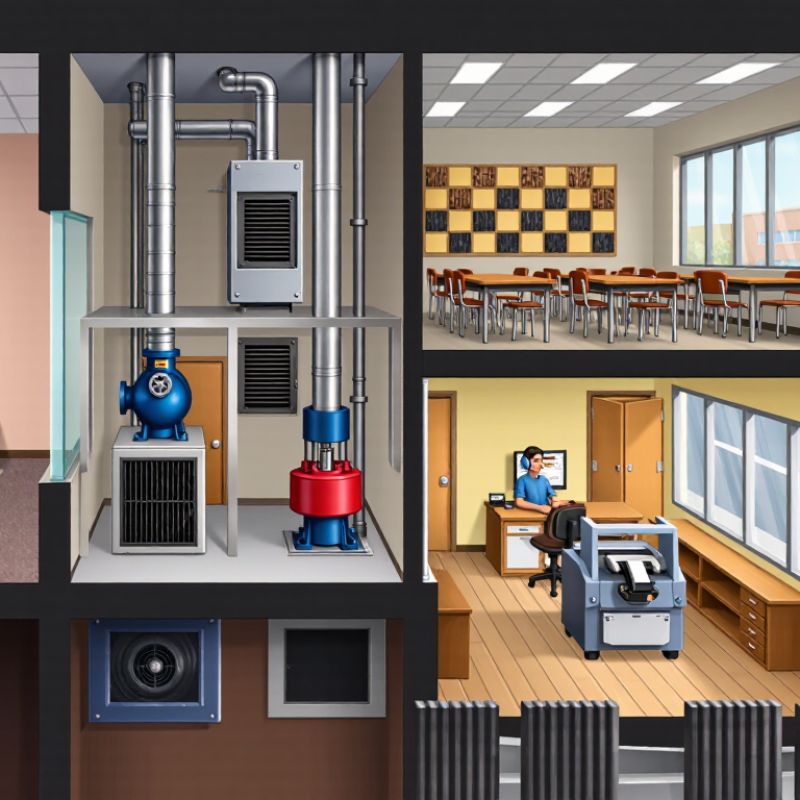
Noise control means managing unwanted sound so it causes less disturbance or risk. It does not always mean making a room silent. The aim may be to lower sound levels, block its path, or protect people who work nearby. A steady fan, a rattling panel, and voices through a thin wall each need different solutions.
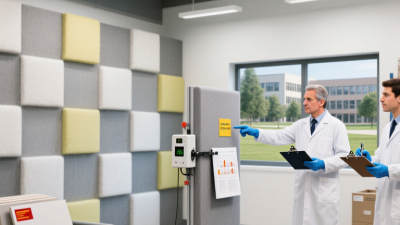
A useful assessment starts by finding where the sound comes from and when it is strongest. A simple sound-level meter can help compare conditions, though readings alone do not explain how distracting a sound feels. Practical measures include maintaining noisy equipment, adding vibration-isolating mounts, sealing gaps around doors, or placing sound-absorbing panels inside a room. These steps work in different ways: some reduce sound at its source, while others limit its travel or reflection.
Why use noise control? In homes, it can make conversation and rest easier. In workplaces, it may improve concentration and help people hear warnings or instructions. The best approach depends on the setting, the sound, and the people affected. More material is not always better. A thick curtain may soften echoes but do little against a vibrating machine next door. That distinction is easy to miss.
Noise exposure assessment starts by measuring sound where people actually work or spend time. A sound level meter records noise at a location, often in A-weighted decibels (dBA), which roughly reflects how human hearing responds. One reading can miss sudden changes: a quiet room may still have brief, sharp bursts from a printer or dropped tools. Context matters.
In changing environments, a personal dosimeter worn near the ear can track exposure over a work shift. Assessors consider average sound levels over time as well as brief peaks, then compare results with relevant guidance or workplace limits. A useful record includes the task, location, measurement duration, equipment calibration, and operating conditions. Readings are not perfect. Microphone placement, hard-wall reflections, and an unusually quiet day can affect results, so repeat measurements may give a more representative picture.
Tips: Keep a brief log of noisy tasks and their duration. Note when doors, fans, or machinery are running. If measurements seem inconsistent, ask a qualified noise professional to review the setup and repeat them under typical conditions. A number alone may not explain how exposure changes throughout the day.
Noise control works best when it interrupts sound before it reaches people. At the source, engineers can reduce vibration, soften impacts, maintain bearings, or enclose a loud machine. These changes can prevent noise across an entire work area. NIOSH’s 1998 occupational noise criteria recommend exposure below 85 dBA over eight hours, using a 3 dB exchange rate. In practical terms, a 3 dB increase halves the recommended exposure time. Small changes matter. Still, a quieter machine is not always easy to achieve, and maintenance alone may not fix a poor process.
Along the path, distance, barriers, and sound-absorbing surfaces can reduce what travels through a room. A solid screen may block direct sound, while low-frequency noise can bend around it. At the receiver, quieter work zones, limited exposure, and well-fitted hearing protection offer another layer. The WHO’s 2018 Environmental Noise Guidelines recommend road-traffic exposure below 53 dB Lden and 45 dB Lnight. These are community guidance values, not workplace limits. That distinction matters. A room can feel calmer while a hazardous source remains nearby, so checking sound levels at workers’ positions is essential.
Engineering, Administrative, and Personal Noise Controls
Noise control means reducing harmful sound exposure, not merely making a room feel quieter. The strongest approach often changes the noise at its source. Enclosing a loud pump, fitting vibration-damping pads, or adding a sound-absorbing barrier can reduce exposure before it reaches workers. These changes may require testing, since a barrier can block access or redirect sound toward another workstation. Measure, then verify.
Administrative controls change when or how people work near noise. A supervisor might rotate tasks, limit time beside a running compressor, or schedule noisy maintenance when fewer people are present. Clear signs help, but signs alone do little if workers cannot follow the instructions. This sounds simple, but it rarely is. Production demands can make schedules difficult to maintain, so exposure should be checked in real working conditions.
Personal protective equipment, such as earplugs or earmuffs, provides another layer when noise cannot be reduced enough by other means. Fit matters: poorly inserted plugs may offer far less protection than expected. Workers need practical fitting guidance, clean equipment, and options that suit the task and communication needs. Protection is not a substitute for fixing a noisy machine. It can also be uncomfortable. Regular noise assessments help determine whether controls are working and where changes are still needed.
Noise control methods should be selected by identifying where sound begins, how it travels, and who is affected. A rattling ventilation fan, for example, may need balancing or vibration isolation, while voices passing through a thin partition may call for better sealing or added absorption. The same treatment will not solve both problems. That distinction matters.
Start with the actual conditions: record sound levels at relevant times, note equipment cycles, and ask whether speech privacy or comfortable conversation is the goal. At the source, maintenance or quieter operating settings may reduce noise without altering a room. Along the path, barriers and sealed gaps can limit transmission; inside a room, absorptive surfaces can reduce reverberation. Fit matters too. A thick panel is ineffective if sound leaks around its edges, and added absorption may make a room feel dull without reducing noise from next door.
Evaluate the result under comparable conditions. Measure at the same locations and operating settings, then check whether people can hear, concentrate, or sleep more comfortably. Use a sound meter where practical, but treat a single reading cautiously; background activity and phone microphones can skew comparisons. Results can disappoint. Recheck the source, installation, and original success criteria before adding more material.
| Control method | How it works | Typical applications | Selection considerations | How effectiveness is evaluated | Potential limitations |
|---|---|---|---|---|---|
| Source control | Reduces noise where it is generated by changing equipment, processes, operating conditions, or maintenance practices. | Replacing a noisy machine, balancing rotating parts, maintaining bearings, reducing impact or turbulence, and selecting quieter equipment. | Identify the dominant source and determine whether a quieter process or equipment option is technically and operationally feasible. | Compare sound levels at consistent operating conditions before and after the change; use overall levels and frequency-band measurements where appropriate. | May require equipment replacement, process changes, downtime, or substantial initial investment. |
| Enclosures and acoustic barriers | An enclosure surrounds a source; a barrier interrupts the direct sound path. Enclosures may combine sound-blocking panels with internal absorptive lining. | Machinery rooms, compressors, generators, construction equipment, and separation between noisy work areas and quieter spaces. | Consider source location, line of sight, panel gaps, ventilation, access, heat, and the sound frequency range. Enclosures need openings designed to limit sound leakage. | Measure sound at relevant receiver locations under comparable conditions. Insertion loss can describe the level difference with and without a control in place. | Sound can pass through gaps or travel around barriers. An enclosure can create heat or access issues if not properly designed. |
| Sound absorption and room treatment | Porous or specially designed absorptive materials reduce reflected sound energy and reverberation inside a space. | Workshops, plant rooms, offices, classrooms, and other reflective indoor environments. | Choose materials suitable for the room, frequency range, fire and hygiene requirements, and exposure to moisture or dust. | Assess reverberation time and sound levels at representative positions before and after treatment; distinguish room-reflection changes from source reduction. | Absorption generally reduces reflections in a room but does not, by itself, provide strong sound insulation through a wall or eliminate noise at its source. |
| Vibration isolation and damping | Isolation limits vibration transmitted from equipment to supporting structures; damping reduces vibration energy in vibrating components. | Pumps, fans, machine tools, ducts, pipes, and equipment mounted near occupied spaces. | Consider equipment mass, vibration frequency, support stiffness, operating speed, and connections such as pipes or cables that may bypass the isolators. | Measure vibration on the source and receiving structure; check for changes in structure-borne noise and, where relevant, sound levels in nearby spaces. | Incorrectly selected or installed isolators can be ineffective, and flexible connections may be needed to prevent vibration bypass. |
| Silencers and flow-path controls | Attenuate sound travelling through ducts, exhausts, or other airflow paths while allowing the required flow. | Ventilation systems, air outlets, exhausts, and pneumatic equipment. | Balance noise reduction with airflow, pressure drop, temperature, contamination risk, and available space. | Measure sound upstream and downstream, or at the receiver, under comparable flow and operating conditions; also verify system performance. | Added resistance may affect system efficiency. Silencers must be matched to the sound spectrum and operating conditions. |
| Administrative and work-practice controls | Reduce exposure by changing when, where, or how noisy work is performed, or by limiting time spent in noisy areas. | Scheduling noisy tasks, restricting access, increasing distance, and establishing quiet or protected areas. | Consider task requirements, staffing, production needs, exposure duration, and whether controls can be maintained consistently. | Review personal or area noise exposure over representative shifts and confirm that work schedules and access rules are followed. | These controls do not reduce the sound produced by the source and may depend on reliable procedures and worker compliance. |
| Hearing protection | Earplugs or earmuffs reduce sound reaching the ear when correctly selected, fitted, worn, and maintained. | As a supplementary measure when other controls do not adequately reduce exposure, or during temporary work. | Consider measured exposure, fit, comfort, compatibility with other protective equipment, communication needs, and correct-use training. | Assess exposure and verify fit and consistent use. Product attenuation ratings are not a substitute for checking real-world protection. | Protection depends on correct and consistent use. It does not control noise for other people or reduce noise at its source. |
| Overall selection and evaluation | Use the hierarchy of controls: prioritize eliminating or reducing noise at the source, then control transmission paths, and use exposure-management measures and hearing protection as needed. | Workplaces, buildings, public spaces, and equipment where noise affects hearing, communication, comfort, or task performance. | Identify sources and receivers; measure representative conditions; consider frequency, distance, exposure duration, feasibility, safety, maintenance, and applicable requirements. | Use appropriate sound-level or personal-exposure measurements, such as A-weighted equivalent levels (LAeq) or peak levels where relevant. Compare before-and-after results under similar conditions. | A single sound-level reading may not represent changing or intermittent noise. Measurement method, location, operating state, and duration affect comparisons. |