How to Choose the Best Sound Reducing Panels for Your Needs?
Choosing the right sound reducing panels can transform your space. These panels are vital for reducing noise in homes and offices. They effectively lower sound levels and create a serene environment.
Sound reducing panels come in various sizes, materials, and styles. This variety means there’s something for everyone. Yet, selecting the best can be challenging. You need to consider factors like room size, purpose, and aesthetics. An ideal panel should not only absorb sound but also complement your decor.
Understanding your specific needs is essential. For instance, a busy office might require different panels than a home theater. Each space has unique acoustics. Reflect on your priorities and preferences. The right choice can significantly impact your sound experience.
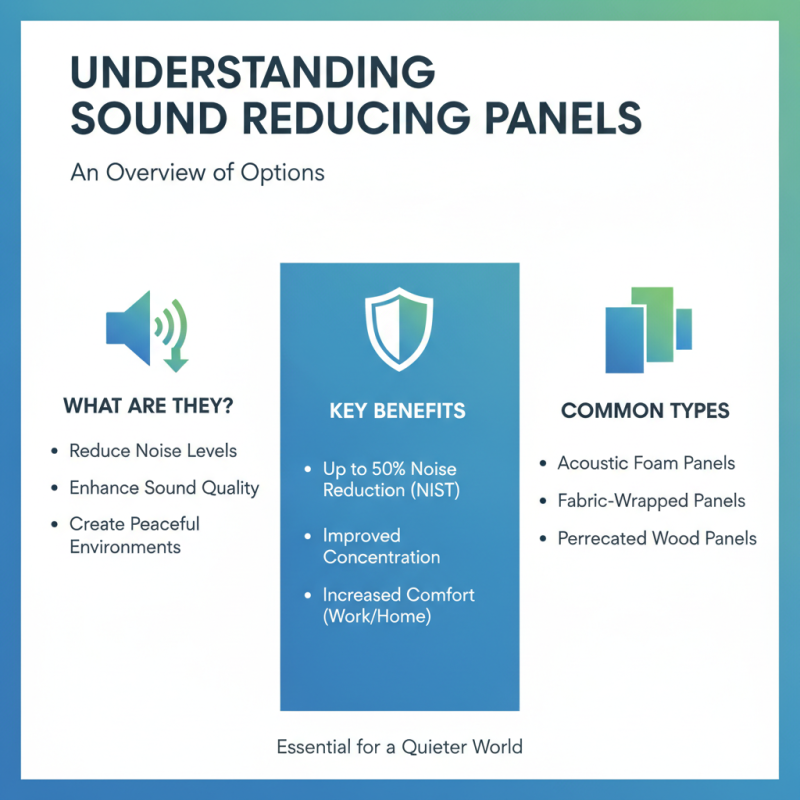
Understanding Sound Reducing Panels: An Overview of Options
When exploring sound reducing panels, understanding the options available is crucial. These panels are essential for creating a peaceful environment in various settings. Acoustic panels can reduce noise levels and enhance sound quality. According to the National Institute of Standards and Technology, effective soundproofing can lower noise by up to 50%. This aids concentration and comfort in workspaces and homes alike.
It's important to choose the right type of panel based on your specific needs. Foam panels are lightweight and absorb sound effectively. They are best for home studios. On the other hand, fiberglass panels offer superior absorption in commercial spaces. Each option has its pros and cons, such as cost and installation complexity, which may impact your decision.
Tips: Consider the panel thickness. Thicker panels generally absorb lower frequencies better. Additionally, evaluate where these panels will be placed. Mounting them in corners might optimize their effectiveness. Lastly, remember that mixing different types of panels may yield better sound control. Reflect on your purpose and space to make the most informed choice.
Identifying Your Acoustic Needs: Assessing Your Space and Environment
When choosing sound reducing panels, start by assessing your space. Consider the size of the room. Is it open or closed? Larger spaces often require more panels to manage sound effectively. Measure your walls and ceilings. This data helps you plan the best layout for sound absorption.
Next, evaluate your environment. Is it a music studio, an office, or a home theater? Each setting has unique acoustic needs. For instance, a studio demands panels that neutralize sound reflections. An office may just need basic sound absorption for privacy. Think about the noise sources too. Are there outside distractions, like traffic or construction? Identifying these factors is crucial.
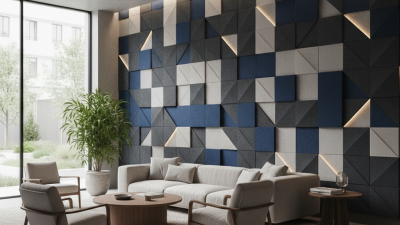
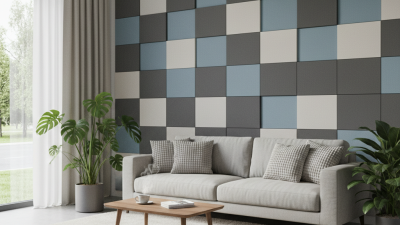
Finally, reflect on the aesthetics. The panels should complement your space's design. Consider colors and textures. They should blend in or stand out according to your preference. Remember, not every solution will work in any space. Experimenting with different panels can lead to better sound control.
How to Choose the Best Sound Reducing Panels for Your Needs?
| Acoustic Needs |
Space Type |
Recommended Panel Material |
Panel Thickness (inches) |
NRC Rating |
| Reduce Echo |
Recording Studio |
Fiberglass |
2 |
0.90 |
| Control Noise |
Open Office |
Acoustic Foam |
1.5 |
0.80 |
| Improve Speech Clarity |
Conference Room |
Mineral Wool |
2.5 |
0.95 |
| Reduce External Noise |
Home Theatre |
Wood Fiber |
3 |
0.85 |
| Prevent Sound Leakage |
Music Room |
Soundproofing Panels |
4 |
0.92 |
Material Matters: Comparing Different Types of Sound Reducing Panels
When selecting sound-reducing panels, material choice is critical.
Various materials can impact sound absorption rates differently. Foam panels are popular for their lightweight and ease of installation. They absorb mid to high frequencies effectively. However, they might not block lower frequencies as efficiently.
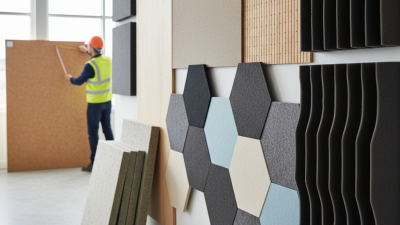
On the other hand, mineral wool panels excel in absorbing a wider range of sound frequencies. They are denser and, therefore, more effective at reducing noise transmission. Yet, they can be heavier and may require more structural support. Fabric-wrapped panels offer another option, providing aesthetic appeal alongside performance. They allow customization in color and texture but can be more expensive.
Understanding the characteristics of each material will aid your decision-making. Consider the specific sound issues in your space. Are you dealing with loud machinery noise or conversations? Reflect on what works best for your environment. Experimenting with different types may lead to the ideal setup. Be mindful that each choice comes with its own pros and cons. Adapt your strategy based on your unique needs and circumstances.
Key Features to Look for in Sound Reducing Panels
When selecting sound reducing panels, several key features should be prioritized. Look for the material. Different materials, such as foam, fabric, or wood, absorb sound to varying degrees. Foam panels are lightweight and easy to install. Fabric coverings can enhance aesthetics while providing soundproofing. Wood panels may offer a more elegant look but can be heavier and more complex to install.
Another important feature is the panel's thickness. Thicker panels generally provide better sound absorption. This is especially true in larger spaces. Density also matters. Denser materials block more sound waves, reducing noise levels effectively. Consider the panel’s NRC rating. This rating indicates how well a panel absorbs sound across different frequencies.
Lastly, evaluate the design options. Sound reducing panels come in various shapes and colors. They can blend into your space or act as a design statement. Choosing the right aesthetic can complement your interior. Pay attention to the installation process too. Some panels are easier to mount than others. Flexibility in installation options can save time and effort. Reflect on these aspects to find the ideal balance between functionality and style.
Sound Reducing Panels: Comparison of Key Features
This bar chart illustrates the key features to consider when selecting sound reducing panels, evaluated on a scale from 1 to 10, with higher values indicating better performance. Features analyzed include Material Density, NRC Rating, Thickness, Installation Ease, and Cost.