Why Use Soundproof Panels for Better Noise Control?
Noise control is not only about making a room quieter. It is about creating a space where speech, concentration, and rest feel easier. Soundproof panels help manage reflected sound inside rooms. They absorb acoustic energy from voices, machines, and hard surfaces. This can reduce echo and improve speech clarity.
Picture a busy office with glass walls, a concrete floor, and ringing phones. Sound travels across the room, then returns from every surface. Properly placed soundproof panels can soften these reflections. They may also make conversations less tiring during long meetings. However, they do not block every outside noise. That distinction matters.
Effective acoustic treatment begins with observation. Listen for flutter echoes, harsh reflections, or noise gathering near corners. Measure the room when possible. Professional acoustic assessments can identify reverberation problems more accurately than guesswork. Panel thickness, density, spacing, and placement all influence performance. A thin decorative panel may look attractive but provide limited absorption. It may not solve the real problem.
Good results require realistic expectations. Door seals, wall construction, ceiling systems, and room layout also affect noise control. Soundproof panels work best as part of a broader acoustic strategy. They are not magic.
Even experienced installers must review the result after installation. A room can become quieter yet still feel unbalanced. Listening tests remain valuable. The best solution combines tested materials, careful placement, and practical feedback from people using the space. That approach supports clearer communication and more comfortable interiors.
Soundproof panels are acoustic materials designed to control sound inside a room. Most use porous cores, such as mineral fiber or dense foam, covered with a breathable fabric. When sound waves hit the surface, air movement enters the panel and loses energy through friction. Less energy returns to the room as harsh reflection.
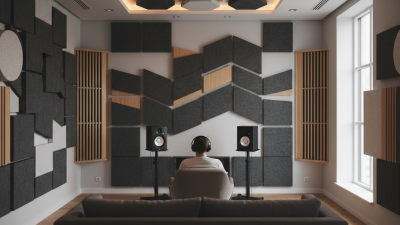
This process reduces echo and reverberation. Speech becomes clearer in a meeting room, classroom, or home studio. Panels work best at reflection points, including nearby walls, ceilings, and room corners. A simple clap test can reveal improvement, although it is not a scientific measurement. For stronger evidence, professionals may check reverberation time before and after installation.
The term “soundproof” can be misleading. These panels mainly absorb sound; they do not fully stop noise passing through walls. Effective sound isolation usually requires added mass, sealed gaps, and separated wall structures. Doors and windows often remain weak points. Placement also matters more than quantity. Too many panels may make a room feel unnaturally dull.
In practice, results depend on panel thickness, coverage, room shape, and the noise source. Thin decorative products may offer limited low-frequency control.
I would avoid judging performance by appearance alone. Check fire ratings, installation guidance, and independent acoustic data before choosing materials. Some rooms need fewer panels than expected. Others need bass traps or structural treatment instead.
Soundproof panels help control noise that bounces across hard walls, ceilings, and floors. This reflected sound creates echo, muddled speech, and tiring background noise. In a meeting room, one voice can seem to come from every direction. Conversations become harder to follow, especially for people sitting far from the speaker.
Panels are also useful for reducing reverberation in studios, classrooms, restaurants, and home offices. They absorb part of the sound energy instead of allowing it to return into the room. A practical assessment should identify the loudest surfaces first. Placing panels near a speaker, microphone, or opposite wall often improves clarity faster than covering random areas.
They do not create complete sound isolation. That point is easy to overlook. Loud traffic, plumbing, footsteps, and mechanical equipment may still pass through doors, windows, ceilings, or thin walls. Dense construction and sealed gaps usually matter more for blocking outside noise. Panels mainly manage sound inside the room.
In real installations, too much absorption can make a space feel strangely flat. I have found that uneven coverage may sound more natural than covering every wall. Measure the room before buying materials. A simple recording, conversation test, and reverberation check can reveal problems that appearance alone cannot. Even then, results may vary. Room shape, furniture, panel thickness, and placement all influence the final noise level.
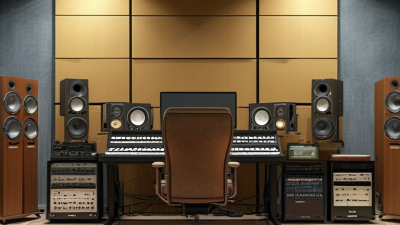
Soundproof panels can make a room calmer, but their design determines what they actually control. Acoustic foam has an open-cell structure that absorbs echoes, especially speech and high-frequency sounds. It is lightweight, easy to cut, and useful around recording desks or meeting rooms. However, foam does little against footsteps, traffic, or bass. I have seen rooms covered in foam still transmit conversations through thin walls. The problem was not the panel alone.
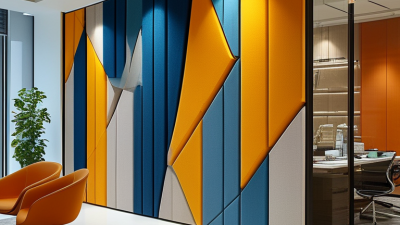
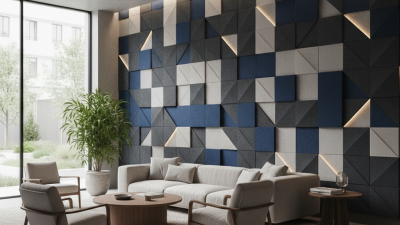
Fabric-wrapped acoustic panels use a dense absorbent core behind a breathable surface. They reduce reverberation across a broader frequency range and suit classrooms, offices, studios, and home theaters. Their colors and thicknesses can also support interior design. Thicker cores usually absorb lower frequencies more effectively, although placement matters. Mounting panels at reflection points can improve speech clarity faster than covering every wall.
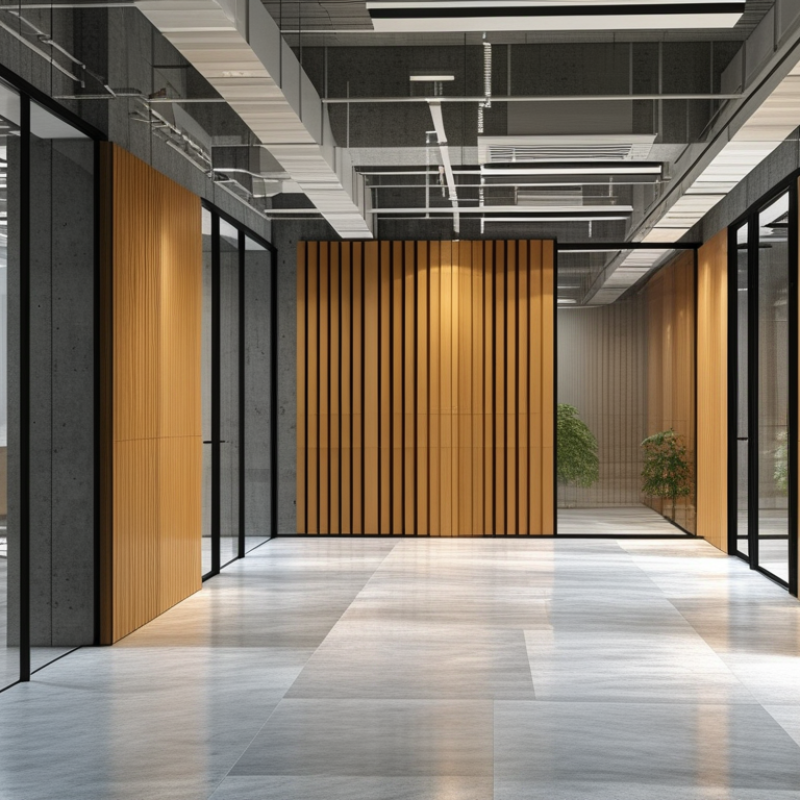
Perforated wood panels combine a hard decorative face with an absorptive backing. They provide controlled absorption while preserving a warmer visual character. They are often selected for restaurants, halls, and workspaces where appearance matters. For stronger isolation, mass-loaded barriers or layered wall systems are more appropriate than ordinary absorbers. These products add weight and require careful installation. Gaps around doors, outlets, and ducts can defeat expensive treatment. Measure the room, identify the noise path, and test a small area first. Results can be uneven. That is worth admitting.
| Panel Type | Primary Noise-Control Function | Typical Construction | Typical Thickness | Typical NRC Range* | Main Features | Suitable Applications | Important Limitation |
|---|---|---|---|---|---|---|---|
| Fabric-Wrapped Acoustic Panels | Absorb airborne reflections and reduce reverberation | Porous mineral wool or fiberglass core covered with acoustically transparent fabric | 25–100 mm | 0.70–1.10 | High mid- and high-frequency absorption; available in different colors and shapes; can be wall-mounted or suspended | Offices, classrooms, conference rooms, studios, restaurants | Does not normally block sound transmission through walls or ceilings |
| PET Felt Acoustic Panels | Control echoes and speech reflections | Lightweight porous felt made from thermally bonded polyester fibers | 9–24 mm | 0.30–0.85 | Lightweight, easy to cut, decorative, resistant to fiber shedding, and suitable for geometric designs | Open-plan offices, meeting areas, schools, retail interiors | Thin versions provide limited low-frequency absorption |
| Perforated Wood Acoustic Panels | Absorb selected frequencies while providing a durable architectural finish | Perforated or slotted wood facing backed by an air cavity and porous absorber | 16–50 mm, excluding cavity | 0.45–0.90 | Combines sound absorption with a natural wood appearance; performance depends strongly on perforation pattern and backing | Auditoriums, lecture halls, offices, libraries, music rooms | Generally heavier and more costly than lightweight fabric or felt panels |
| Acoustic Foam Panels | Reduce high- and medium-frequency reflections | Open-cell polyurethane or melamine foam with a profiled surface | 25–75 mm | 0.30–0.90 | Very lightweight; easy to install; profiled surfaces increase exposed area | Recording rooms, broadcast spaces, voice booths, equipment rooms | Usually ineffective for bass control and not a substitute for sound-isolating construction |
| Bass Traps | Absorb low-frequency energy and reduce room-mode buildup | Thick porous absorber or resonant construction installed in corners or wall-ceiling junctions | 100–300 mm or more | 0.50–1.20, depending on test method and frequency | Targets frequencies that are difficult for thin panels to absorb; improves bass balance and monitoring accuracy | Recording studios, home theaters, music practice rooms | Requires substantial space and careful placement; does not provide sound isolation |
| Mass-Loaded Barrier Panels | Reduce airborne sound transmission by adding mass and damping to a partition | Flexible, dense vinyl or composite barrier installed within or behind a wall, ceiling, or enclosure | 1.5–6 mm | Not normally rated by NRC | Adds surface mass; can improve partition isolation when installed continuously with sealed joints | Walls, ceilings, machinery enclosures, duct and pipe treatments | Performance depends on the complete wall or enclosure system; gaps and flanking paths can reduce results |
| Ceiling Baffles and Clouds | Absorb sound from multiple exposed surfaces and reduce vertical reflections | Vertical baffles or horizontal suspended panels made from porous fiber, felt, or fabric-wrapped cores | 25–100 mm | 0.60–1.20, depending on spacing and orientation | Useful where wall area is limited; improves speech clarity and reduces overall reverberation | Cafeterias, open offices, sports facilities, classrooms, industrial interiors | Requires secure overhead installation and may need coordination with lighting, sprinklers, and ventilation |
*NRC means Noise Reduction Coefficient. The ranges shown are representative values for commonly used panel constructions; actual performance varies with thickness, mounting method, air gaps, frequency, and laboratory test conditions. Absorption panels primarily improve room acoustics, while sound isolation requires mass, airtight construction, damping, decoupling, and control of flanking paths.
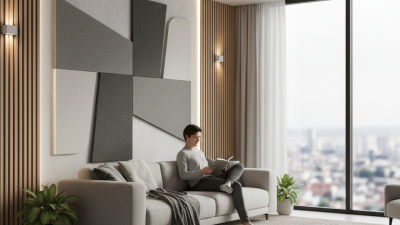
For a bedroom, prioritize mid- and high-frequency control. Fabric-wrapped panels can reduce voices, television sound, and sharp echoes. In a recording room, use thicker panels and include ceiling treatment. Low-frequency noise from traffic or machinery needs more than thin foam. It may require bass traps, added mass, sealed gaps, or professional testing.
For a busy classroom, distribute panels across opposing walls. This limits flutter echoes without making speech dull. Do not cover every surface.
Noise level should guide both thickness and coverage. A handheld decibel meter can reveal whether the problem is constant noise or sudden peaks. Door gaps and windows may undermine expensive wall treatment. I once underestimated a narrow door gap during an office assessment. The panels worked, but the room still felt noisy. That mistake showed me that placement and room structure matter equally. Measure the space, identify the loudest frequencies, and select panels for the actual problem rather than the room’s color scheme.
Soundproof panels can improve noise control, but installation often decides whether they work. Panels absorb reflected sound; they rarely block noise through walls, doors, or ceilings. The World Health Organization recommends indoor noise levels below 35 dB(A) for classrooms during teaching. That target becomes difficult when panels are placed without measuring the room’s existing reverberation.
Coverage matters. Installers should calculate the panel area, ceiling height, room volume, and dominant noise frequencies. A few panels behind a desk may reduce nearby reflections, but leave strong echoes elsewhere. Continuous spacing is usually more effective than one decorative cluster. Keep panels away from corners when possible, unless bass buildup requires corner treatment. Air gaps behind rigid panels can improve low-frequency absorption, although the result depends on thickness and mounting depth.
Placement must also protect acoustic balance. Panels opposite hard glass, tile, or concrete surfaces often control flutter echo better than panels grouped on one wall. ISO 354 laboratory testing and ASTM C423 help verify absorption performance, commonly reported through the Noise Reduction Coefficient. ANSI/ASA S12.60 sets classroom reverberation targets of about 0.6 seconds for smaller rooms and 0.7 seconds for larger rooms. These figures are useful, not magical. On real projects, doors, ventilation grilles, and poorly sealed joints often undermine good panel design. I have seen attractive installations fail because measurements stopped after mounting. Recheck the room after installation. Voices may sound clearer, yet low-frequency noise can remain. That is the part many plans miss.
A porous acoustic panel generally absorbs more low-frequency sound when it is spaced away from the wall. The air gap allows sound energy to interact with the absorber more effectively, while continuous coverage, tight joints, and correct placement help reduce reflections and sound leakage.
The values below are representative sound absorption coefficients for a typical 50 mm porous absorber under common laboratory-style test conditions. Actual performance varies with panel thickness, density, mounting system, room surfaces, and installation quality.