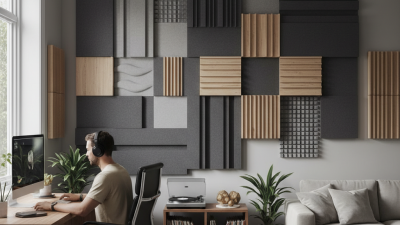
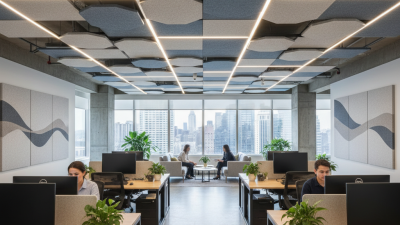
What is wall acoustic panels and how do they improve sound quality?
Wall acoustic panels are increasingly recognized for their ability to enhance sound quality in various environments. According to the National Institute of Building Sciences, the right acoustic treatment can reduce noise levels by up to 50%. This transformation is critical in spaces like schools, offices, and recording studios, where clarity and focus are paramount.
These panels absorb sound waves, preventing them from bouncing off hard surfaces. A study by Acoustical Society of America highlights how well-designed acoustic solutions can lead to a more productive atmosphere. In workplaces, reduced noise distractions can improve concentration and overall employee satisfaction.
While wall acoustic panels provide significant benefits, it's essential to consider their limitations. They often require careful placement and selection based on the space's needs. Not every panel is suitable for every environment, and improper installation can lead to inefficiency. A customized approach ensures that the investment yields optimal results in sound quality.
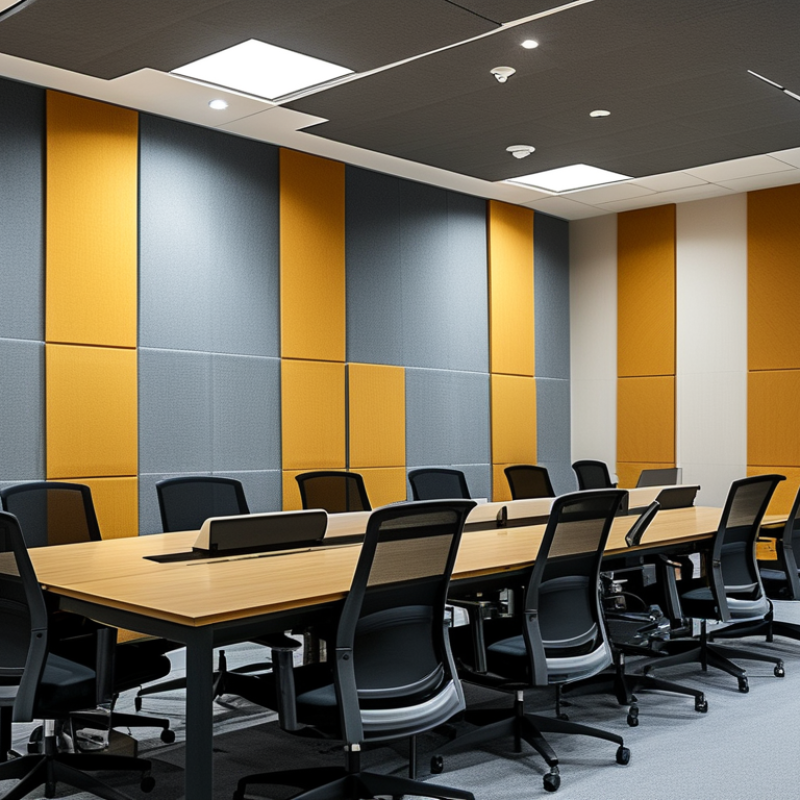
What Are Wall Acoustic Panels?
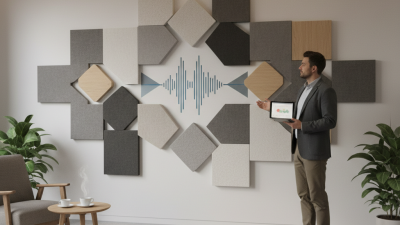
Wall acoustic panels are specially designed panels that enhance sound quality in various environments. They absorb sound waves, reducing echo and noise levels. These panels are commonly used in recording studios, home theaters, and conference rooms. Their aesthetic appeal is an added bonus, as they come in different colors and designs to fit any space.
Tips: Consider the location of the panels. Placing them strategically can yield better results. For instance, position panels on walls facing sound sources. This can minimize unwanted echo and enhance clarity.
Acoustic panels can be made from various materials, such as foam or fabric-wrapped fiberglass. Not all materials provide the same level of sound absorption. It’s important to do some research before selecting a type. Poor choices may result in inadequate sound quality. Also, remember that installation plays a key role. If not installed correctly, panels may fail to perform effectively.
Tips: Always measure your space accurately. This helps in determining how many panels you need. A well-planned layout can optimize sound control. Don’t rush the installation process. Take time to ensure each panel is properly mounted.
Types of Wall Acoustic Panels Available
Wall acoustic panels are essential for enhancing sound quality in various environments, from offices to music studios. They mitigate unwanted noise and improve overall acoustics. There are several types of wall acoustic panels available, each suited for specific needs.
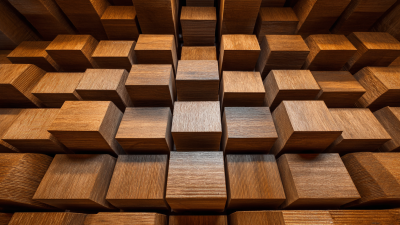
Foam panels are popular due to their lightweight design and affordability. They absorb mid to high frequencies and are effective in reducing noise from conversations and electronic devices. Fabric-wrapped panels offer a more aesthetically pleasing option. These can come in various colors and textures, allowing for customization in decor. Another type is wooden panels, which contribute to a warm sound and enhance low-frequency absorption. According to a study by the Acoustical Society of America, proper panel placement can improve sound quality by up to 70%.
Tips: Consider the room’s purpose when selecting panels. For a recording studio, focus on high-frequency absorption. In home theaters, prioritize panels that balance both high and low frequencies. Installation plays a critical role too. Proper positioning can significantly maximize effectiveness.
Regardless of the type chosen, it’s vital to evaluate the material's acoustic properties. Density, thickness, and surface texture all influence performance. A poorly selected or installed panel may underperform, leading to continued noise issues, which can be frustrating. Always test different configurations to find the best acoustic solution for your space.
What is wall acoustic panels and how do they improve sound quality? - Types of Wall Acoustic Panels Available
| Type of Panel |
Material |
Sound Absorption Coefficient |
Ideal Use |
| Foam Panels |
Polyurethane Foam |
0.8 - 1.1 |
Recording Studios |
| Fabric-Wrapped Panels |
Fiberglass Core with Fabric Cover |
0.7 - 1.0 |
Conference Rooms |
| Wood Panels |
Natural Wood |
0.5 - 0.8 |
Home Theaters |
| Perforated Panels |
MDF or Plywood |
0.6 - 0.9 |
Auditoriums |
| Bass Traps |
Dense Foam or Fiberglass |
1.0+ |
Corners of Rooms |
How Wall Acoustic Panels Improve Sound Quality
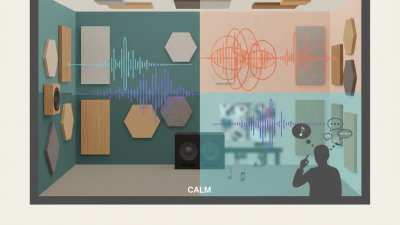
Wall acoustic panels are essential in enhancing sound quality. They absorb sound waves and reduce echoes in a space. This is particularly useful in environments like recording studios, offices, or theaters. By controlling sound reflections, these panels prevent unwanted noise from disrupting the main audio.
When sound waves hit hard surfaces, they bounce back, creating echoes. This can muddy sound clarity. Acoustic panels are designed with materials that trap sound energy. They can be made from foam, fabric, or wood. Their effectiveness varies based on placement and thickness. Properly installed panels can significantly elevate audio experiences.
Some might overlook the importance of aesthetics. While improving sound, panels can also enhance room decor. However, people often struggle to find the right balance. A well-designed panel could clash with room style. Careful selection and placement are crucial for both function and form.
Applications of Wall Acoustic Panels in Various Spaces
Wall acoustic panels are increasingly used in various spaces to enhance sound quality and create comfortable environments. In offices, they reduce noise pollution, leading to better concentration and productivity. According to a report by the International Institute of Acoustics and Vibration, implementing acoustic treatments can improve employee performance by up to 25%.
In educational settings, wall panels enhance learning experiences. They minimize distractions and create a more focused atmosphere. Many schools have reported a significant decrease in classroom noise levels after installation. This improvement supports better communication and learning retention among students.
Tips: When selecting wall acoustic panels, consider their material and thickness. Thicker panels usually absorb more sound. For home theaters, look for panels that reduce echo and enhance clarity. Always assess the specific needs of your space. It's crucial to recognize that not all panels will suit every room, so experimentation may be necessary.
Factors to Consider When Choosing Acoustic Panels
When choosing wall acoustic panels, several key factors play a crucial role in enhancing sound quality. Consider the material composition of the panels. Options such as foam, fabric, or wood each have unique acoustic properties. It's vital to select a material that matches the specific needs of your space.
Size and placement are also significant. Larger panels absorb more sound, making them ideal for bigger rooms. However, their placement is just as important. Strategically positioning them in areas where sound waves converge will maximize their effectiveness.
**Tips:** Always measure your room before purchasing. This ensures the panels fit well and provide the desired sound improvement. Experimenting with different placements can yield surprising results. Don’t hesitate to adjust as needed.
Lastly, aesthetics matter. Acoustic panels come in various colors and designs. Finding a balance between function and visual appeal can be challenging. It’s essential to reflect on how the panels will integrate into your existing decor while serving their acoustic purpose effectively. Solving this dilemma often requires patience and creativity.