Top Sound Treatment Solutions for Global Buyers?
In the modern acoustic landscape, sound treatment has become essential for both residential and commercial spaces. According to a report by MarketsandMarkets, the global soundproofing materials market is projected to reach $9.7 billion by 2026, reflecting an increasing demand for effective sound treatment solutions. As urban environments grow noisier, the need for effective sound management intensifies.
The science of sound treatment involves various techniques and materials. These solutions range from acoustic panels to soundproof curtains. Each method serves a unique purpose, addressing different sound issues in various settings. For instance, while foam panels absorb sound effectively, they might not eliminate noise completely. This leaves room for reflection and improvement in product design and material selection.
Investors and manufacturers must consider these complexities. They should focus on providing reliable and tested solutions. The ongoing demand for sound treatment services highlights its importance in everyday life and business. It's clear that with continuous innovations, the sound treatment industry is on a path to evolve significantly, making it crucial for buyers to stay informed.

Understanding Sound Treatment: Definition and Importance
Sound treatment is essential in various spaces, from recording studios to home theaters. It involves the use of materials and techniques to manage sound reflections, absorption, and diffusion. This is not merely about reducing noise; it’s about enhancing the acoustic quality of a space, creating an environment where sounds are clear and enjoyable.
Effective sound treatment can drastically change how music or speech is perceived. Many forget that untreated rooms can lead to muddled sounds and unintelligible dialogues. Inadequate sound solutions might even amplify problems. It’s crucial to recognize the role of room dimensions and furniture placement. Every space reacts differently to sound waves.
Investing in proper sound treatment can be challenging. It requires understanding the unique acoustics of a room. Experimentation is often necessary. Sometimes, even minor adjustments can make a big difference. Selecting the right materials can be overwhelming. With such a variety of options, making informed decisions is vital. Engaging with acoustic experts can provide invaluable insights, guiding buyers towards effective solutions.
Types of Sound Treatment Solutions Available for Buyers
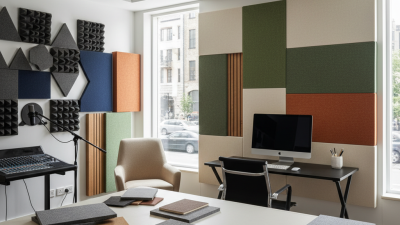
When considering sound treatment solutions, buyers must explore a range of options. Acoustic panels are popular for reducing sound reflections. These panels come in various materials and styles, enhancing both aesthetics and functionality. Foam panels, a lightweight choice, absorb high frequencies well. They are suitable for home studios and listening rooms.
Another solution is bass traps, essential for managing low-frequency sounds. These traps are placed in corners to optimize sound quality, especially in larger spaces. Diffusers also play a critical role. They scatter sound waves, reducing harsh echoes while maintaining room liveliness.
Buyers should reflect on specific needs before purchasing. Space dimensions and purpose matter significantly. Not every solution suits every environment. It’s vital to consider how different materials affect sound absorption. Some treatments may require professional installation for optimal effectiveness. Exploring these variances can lead to better sound experiences.
Factors to Consider When Choosing Sound Treatment Products
When selecting sound treatment products, buyers must consider various factors. Acoustic performance is crucial. According to industry reports, high-density materials can reduce unwanted noise by up to 30%. This metric can greatly enhance a space's sound quality, making it a top priority for many customers.
Affordability is another important aspect. While premium sound treatment solutions may offer superior performance, budget constraints can limit options. A study from a leading acoustics organization highlights that up to 40% of buyers prioritize cost over quality. Therefore, striking a balance between price and effectiveness is essential.
Tips: Always evaluate installation requirements. Some products necessitate professional installation, which can add to overall costs. Moreover, consider the aesthetics of sound treatment products. A good design can complement the existing interior instead of detracting from it. Reflection on these aspects can lead to more informed decisions, ultimately enhancing auditory experiences in any environment.
Top Brands in the Sound Treatment Industry for Global Buyers
In the evolving world of sound treatment, several brands stand out. These brands offer unique solutions tailored for various needs. The right sound treatment can significantly reduce unwanted noise and enhance audio quality. Buyers should consider products made from high-quality materials that ensure durability and effectiveness.
Many global brands emphasize research-backed designs in their offerings. This approach reflects their commitment to improving acoustic environments. Some products feature innovative technology, while others focus on traditional materials for sound absorption. It’s essential to assess the specific needs of your space when selecting sound treatment solutions. Often, brands provide guides to help customers, but not every option suits every environment.
Exploring customer reviews can provide insight into product performance. Not all solutions meet expectations, and experiences can vary widely. Some users report disappointment with installation processes or overall effectiveness. Transparency from brands regarding potential issues is crucial. Engaging with online communities can also help buyers make informed decisions. Feedback can reveal practical insights that product descriptions may not cover.
Top Sound Treatment Solutions for Global Buyers
| Solution Type |
Material |
Application Area |
Acoustic Performance |
Price Range |
Sustainability |
| Acoustic Panels |
Foam, Fabric |
Studios, Offices |
High absorption |
$30 - $150 |
Recyclable |
| Diffusers |
Wood, Plastic |
Concert Halls, Home Theaters |
Medium diffusion |
$50 - $200 |
Sustainable wood options |
| Bass Traps |
Fiberglass, Foam |
Recording Studios, Home Theaters |
High low-frequency absorption |
$50 - $300 |
Recyclable materials |
| Soundproofing Curtains |
Heavy Fabric |
Windows, Doors |
Medium sound reduction |
$40 - $200 |
Eco-friendly options available |
| Underlayment |
Rubber, Foam |
Flooring |
High impact sound isolation |
$100 - $500 |
Recyclable and renewable materials |
Innovative Sound Treatment Technologies Shaping the Future of Acoustics
Innovative sound treatment technologies are rapidly evolving. These advancements are crucial for various sectors, from recording studios to open offices. A recent industry report highlights that the global soundproofing market is projected to exceed $36 billion by 2030, driven by the increasing need for noise control in urban environments.
One prominent direction is the use of smart materials. These materials adapt to changing sound frequencies, enhancing acoustic performance. Research indicates that passive acoustic solutions provide limited effectiveness in high-traffic areas. This challenges manufacturers to innovate and develop hybrid systems that integrate both passive and active technologies.
Moreover, the integration of AI in sound management systems is gaining traction. AI solutions can analyze acoustic environments in real-time and optimize treatments accordingly. However, these designs often struggle with the complexity of natural spaces, raising questions about their adaptability and effectiveness. As technologies advance, the industry must reflect on the balance between innovation and practical application to meet diverse needs.