Top 10 Benefits of Acoustic Windows for Soundproofing Your Home
As urbanization continues to rise, the demand for effective soundproofing solutions in residential properties has never been more critical. One of the most significant advancements in this area are "acoustic windows," designed to significantly reduce external noise intrusion. According to a recent report by the National Institute of Building Sciences, properly installed acoustic windows can reduce outside noise by as much as 50%, enhancing the overall quality of life for residents living in busy urban environments.
Henry Thompson, an industry expert in soundproofing technologies, states, “Investing in acoustic windows is not just about comfort; it's about creating an environment that fosters relaxation and productivity in our homes.” This sentiment reinforces the essential role that acoustic solutions play in modern living spaces. Understanding the top benefits of acoustic windows will help homeowners make informed decisions on improving their living conditions while also boosting property value and energy efficiency.
In the following sections, we will explore the top ten benefits of acoustic windows, highlighting their effectiveness, financial advantages, and their contribution to a healthier living environment. By integrating these innovative solutions, homeowners can transform their spaces into peaceful retreats, shielded from the hustle and bustle of the outside world.

Understanding Acoustic Windows and Their Structure
Acoustic windows are specially designed to reduce noise pollution and enhance the soundproofing capabilities of a home. These windows typically consist of multiple layers of glass, often laminated and combined with sound-dampening materials. According to a study by the National Institute of Standards and Technology, acoustic windows can effectively reduce exterior noise by an average of 50% compared to traditional single-pane windows. This significant reduction in sound transmission is largely due to the density and thickness of the materials used, creating a barrier that absorbs and reflects sound waves.
The structure of acoustic windows is crucial to their effectiveness in soundproofing. They often feature an insulated frame that also aids in thermal regulation, enhancing energy efficiency. Reports from the EPA indicate that homes equipped with acoustic windows are not only quieter but can also see a reduction in energy bills, as they help maintain consistent indoor temperatures. Additionally, the use of inert gas fills between the panes, such as argon or krypton, further diminishes sound transmission while improving insulation. By investing in acoustic windows, homeowners can create a more peaceful and energy-efficient living environment.
Top 10 Benefits of Acoustic Windows for Soundproofing Your Home
How Acoustic Windows Contribute to Soundproofing Effectively
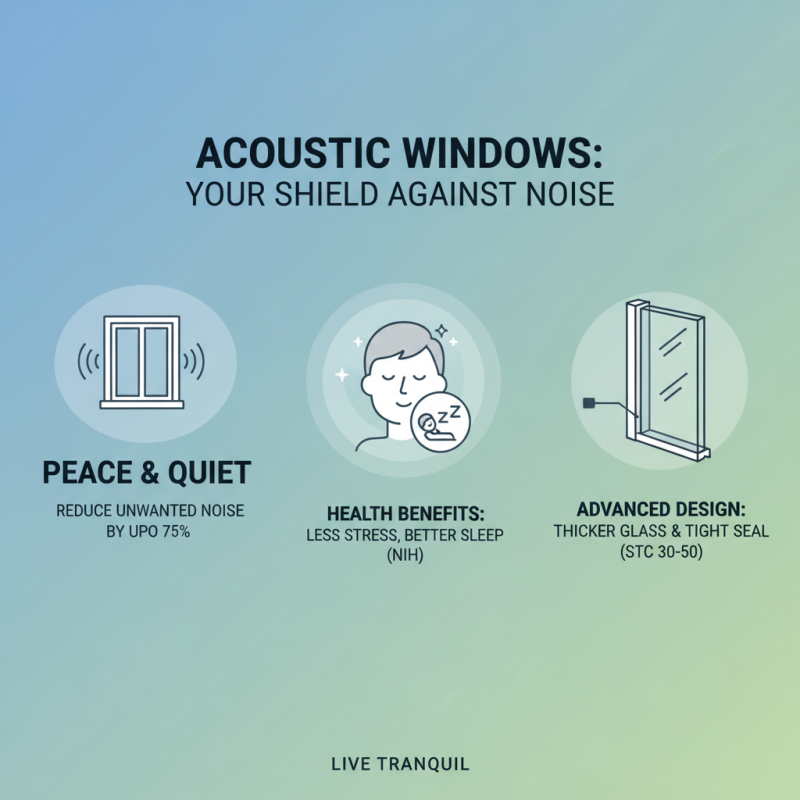
Acoustic windows are designed to provide an effective barrier against unwanted noise, making them an excellent choice for homeowners seeking tranquility. According to the National Institute of Health, exposure to high noise levels can lead to detrimental health effects, including increased stress and sleep disturbances. Acoustic windows can significantly reduce this risk by utilizing a combination of thicker glass and specialized frames that create a tighter seal than traditional windows, which prevents sound infiltration. Studies show that sound transmission class (STC) ratings of acoustic windows can range from 30 to 50, effectively minimizing external noise by up to 75%.
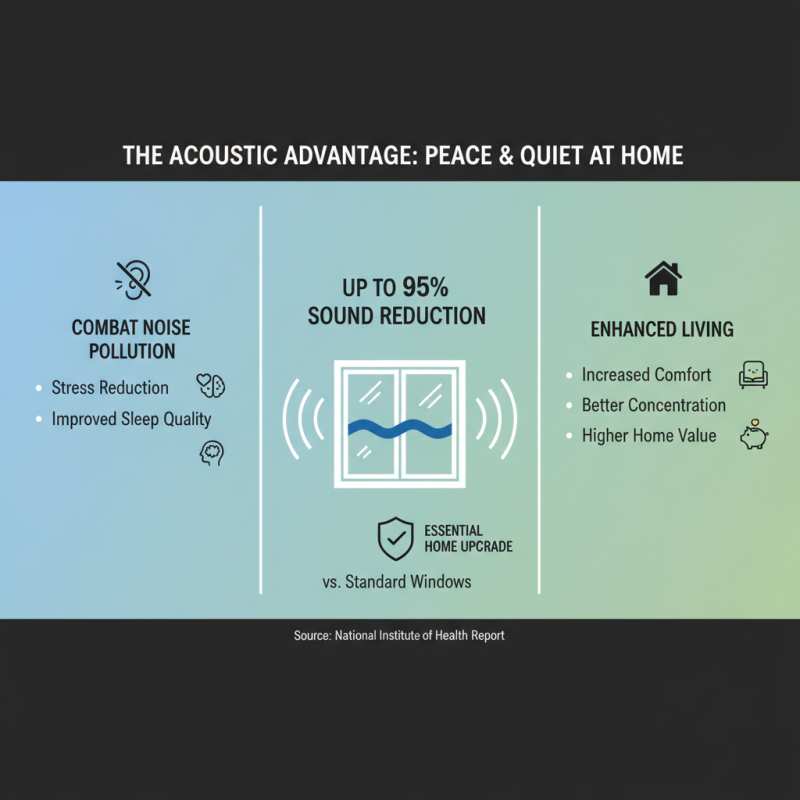
The effectiveness of acoustic windows in soundproofing is further supported by research from the Department of Housing and Urban Development, emphasizing that the design of these windows plays a crucial role in their performance. By incorporating laminated glass and advanced spacing technology, these windows not only enhance privacy but also provide significant reductions in external noise from traffic, construction, and other urban disturbances. Furthermore, acoustic windows have been shown to achieve up to a 95% reduction in noise levels when properly installed, making them a proactive solution for creating a quieter and more peaceful home environment. This feature is especially advantageous for urban dwellers, where noise pollution is a growing concern, highlighting the importance of soundproofing techniques in residential construction.
Key Benefits of Acoustic Windows for Residential Environments
Acoustic windows are increasingly recognized for their effectiveness in soundproofing residential environments, providing multiple benefits that enhance comfort and quality of life. According to a report by the National Institute of Health, noise pollution can contribute to various health issues including stress, sleep disturbances, and cardiovascular problems. Acoustic windows offer a sound reduction of up to 95% compared to standard windows, making them an essential upgrade for homes located in noisy areas, such as urban environments or near high-traffic zones.
In addition to health benefits, acoustic windows provide improved energy efficiency. A study conducted by the American Society of Heating, Refrigerating and Air-Conditioning Engineers points out that noise barriers like acoustic windows can also improve thermal insulation by reducing air leakage and maintaining indoor temperature. This can lead to significant energy savings, as homeowners may see a reduction in heating and cooling costs by up to 30%. With noise pollution being a prevalent concern, investing in acoustic windows not only enhances the serenity of a home but also contributes to a more energy-efficient living space.
Comparing Acoustic Windows to Traditional Soundproofing Solutions
When it comes to soundproofing your home,
acoustic windows offer significant advantages over traditional solutions.
Traditional methods often include heavy curtains, weather stripping, or even complex insulation systems.
While these options can help reduce noise, they may not be as effective or aesthetically pleasing as acoustic windows.
Designed specifically for noise reduction, these windows are constructed with
double or triple glazing, which effectively dampens sound waves.
As such, they can significantly enhance your home's tranquility while maintaining its appeal.
It’s essential to consider a few practical tips when evaluating the soundproofing options for your home.
First, assess the noise pollution levels in your area.
Understanding the primary sources of noise can help you determine whether acoustic windows are a worthwhile investment.
Second, pay attention to the window frame and seal quality;
even the best glazing can be compromised by subpar frames that allow noise ingress.
Finally, consult with specialists who can provide guidance tailored to your home’s specific needs,
ensuring that you achieve optimal soundproofing results.
In contrast to traditional soundproofing techniques, acoustic windows can provide long-lasting benefits.
They not only help to keep unwanted sounds at bay but also improve energy efficiency
due to their thermal insulation properties. Investing in acoustic windows can enhance your living experience by
creating a serene environment without sacrificing the aesthetics and functionality of your home.
Installation Considerations for Optimal Acoustic Performance
When considering the installation of acoustic windows, there are several important factors that can significantly impact their performance. First, it's essential to assess the existing window frames and ensure they are in good condition. Any gaps or air leaks in the frames can diminish the effectiveness of acoustic windows, allowing sound to penetrate. Proper sealing and insulation around the window installation are critical for maximizing soundproofing capabilities.
Another key consideration is the selection of glass thickness. Thicker glass tends to perform better at reducing sound transmission, particularly for lower frequency noises. It is often recommended to use a combination of different glass thicknesses in a double or triple-glazed window to further enhance sound reduction. This varied thickness helps in disrupting sound waves more effectively.
**Tips:** When planning the installation, always consult with a professional to ensure that your acoustic windows are designed to meet your specific soundproofing needs. Additionally, consider the positioning of your windows; installing them away from direct noise sources, such as busy streets or noisy neighbors, can also help improve sound insulation. Finally, don't overlook the importance of window treatments. Heavy, sound-absorbing curtains can complement acoustic windows and add an extra layer of noise reduction.