2025 Top 5 Building Panels for Energy Efficiency and Sustainability
In the quest for energy efficiency and sustainability within the construction industry, the choice of building materials is paramount. Among these materials, building panels have emerged as a pivotal component in modern architectural practices. According to the latest report by the International Energy Agency, buildings account for nearly 40% of global energy consumption, highlighting the urgent need for innovative solutions to enhance their performance. Building panels not only offer superior thermal insulation but also contribute to reduced construction waste and improved sustainability.
Industry expert Dr. Emily Harper, a leading researcher at the Green Building Council, emphasizes the transformative potential of building panels by stating, "Utilizing advanced building panels is no longer just a choice; it's a necessity for achieving energy efficiency and minimizing our ecological footprint." As we approach 2025, it is crucial to evaluate the top five building panels that exemplify these ideals, showcasing technologies that push the boundaries of performance while prioritizing environmental responsibility. This introduction serves as a gateway to understanding how the integration of cutting-edge building panels can lead us toward a more sustainable future in construction.
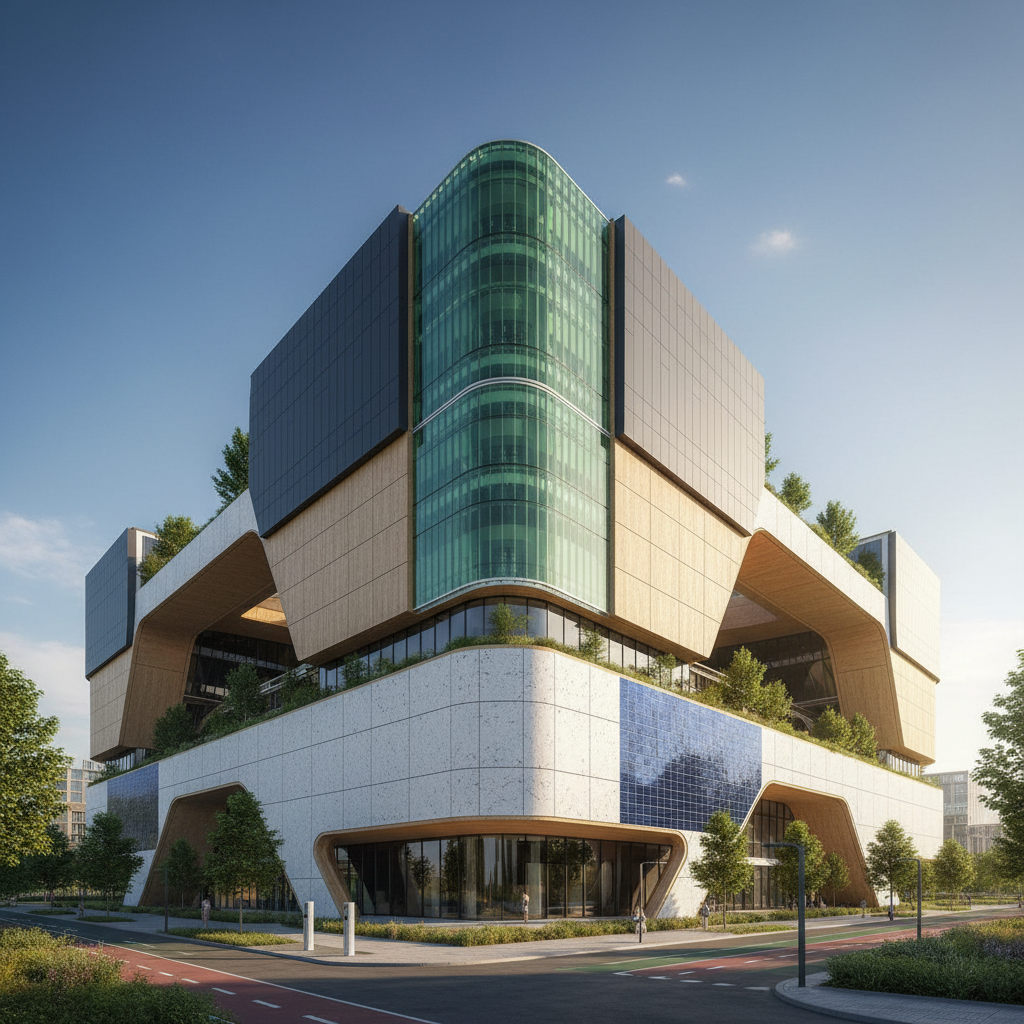
The Role of Insulation in Enhancing Energy Efficiency with Modern Building Panels
Modern building panels play a crucial role in enhancing energy efficiency and sustainability in construction. Their design and material composition often significantly influence a building's overall insulation performance. High-quality insulation integrated within building panels not only reduces heat loss in colder climates but also minimizes heat gain during warmer seasons. This dual capability ensures that indoor environments remain comfortable year-round while reducing the reliance on artificial heating and cooling systems.
Furthermore, advancements in insulation technology have led to the development of panels that incorporate eco-friendly materials, further promoting sustainability. For instance, panels with advanced foam cores or recycled materials not only improve thermal performance but also contribute to reducing the carbon footprint of buildings.
By selecting the right combination of insulation and building panels, architects and builders can create structures that are not only energy efficient but also align with contemporary sustainability goals. As the demand for greener buildings continues to rise, the synergy between insulation and building panels will be a key area of focus in the construction industry.
Innovative Materials: Comparing the Sustainability of Different Panel Options
As the building industry continues to evolve towards more sustainable practices, the choice of building panels plays a critical role in enhancing energy efficiency. There are several innovative materials available that not only improve thermal performance but also have a lower environmental impact. For instance, materials such as SIPs (Structural Insulated Panels) and advanced composite panels have shown significant promise in reducing energy consumption due to their superior insulation properties. These panels are designed to minimize thermal bridging, thereby enhancing energy efficiency in residential and commercial constructions alike.
When comparing the sustainability of different panel options, it is essential to consider both the lifecycle of the material and its environmental footprint. Wood-based panels, such as cross-laminated timber (CLT), offer a renewable resource that sequesters carbon throughout its life. Conversely, synthetic panels made from recycled content can significantly reduce waste but may come with a higher embodied energy cost. Understanding the benefits and drawbacks of materials such as these is crucial for builders and architects seeking to implement sustainable design principles in their projects. By making informed choices, the industry can move closer to a future defined by energy efficiency and environmental stewardship.
2025 Top 5 Building Panels for Energy Efficiency and Sustainability
This chart compares the energy efficiency and sustainability ratings of the top 5 building panel options for 2025. The ratings are based on factors such as thermal performance, lifespan, recyclability, and environmental impact.
Cost-Benefit Analysis: Long-Term Savings from Energy-Efficient Building Panels
As the construction industry increasingly shifts towards
energy efficiency and sustainability,
understanding the cost-benefit analysis of building panels becomes essential. Research from the
U.S. Department of Energy indicates that energy-efficient building panels
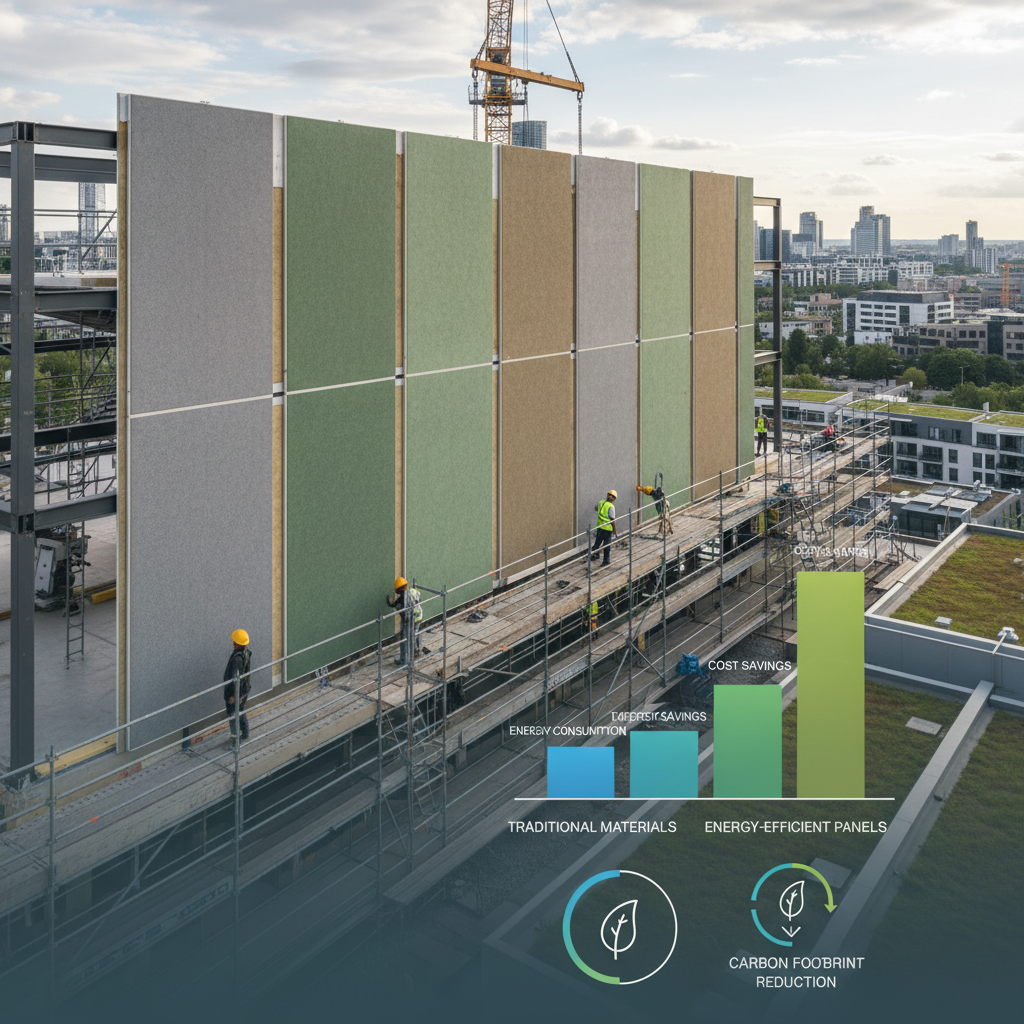
can reduce energy consumption by up to 50% compared to traditional materials. This significant reduction not only lowers utility bills
but also decreases the carbon footprint of buildings, aligning with global sustainability goals.
When assessing the long-term savings from utilizing energy-efficient panels, data from the
National Renewable Energy Laboratory suggests that the initial investment can be recouped
within five to seven years due to lower energy costs. For instance, integrating
insulated concrete forms (ICFs) can result in yearly savings of approximately
$1,500 on heating and cooling for an average-sized home. Over a typical
30-year mortgage, this translates to a substantial savings of $45,000,
proving that the upfront cost is dwarfed by the long-term financial benefits. By choosing the right building panels,
not just builders but also homeowners can achieve economic viability while contributing to a more
sustainable future.
Life Cycle Assessment: Environmental Impact of Panel Production and Disposal
When considering building panels for energy efficiency and sustainability, it's crucial to evaluate their life cycle assessment (LCA). This assessment examines the environmental impact from production to disposal, providing a comprehensive view of a panel's sustainability. For instance, panels made from recycled materials significantly reduce raw resource extraction and lower waste in landfills.
Moreover, energy-efficient panels can minimize heating and cooling needs, resulting in lower carbon emissions over their lifespan.
Tips: When choosing building panels, look for those with environmental certifications, such as LEED or BREEAM, which indicate a commitment to sustainable practices. Additionally, consider the origin of materials used, and prioritize local sources to reduce transportation emissions.
It's also essential to recognize the end-of-life impact of these panels. Some materials can be composted or recycled fully, reducing landfill burden. By opting for products designed with a circular economy in mind, you can ensure that their disposal contributes to sustainability rather than detracting from it.
Tips: Engage with manufacturers to understand their disposal processes and recycling programs, ensuring you choose products that align with your environmental values.
Regulatory Trends Shaping the Future of Energy-Efficient Building Technologies
As we look towards 2025, regulatory trends are set to significantly shape the evolution of energy-efficient building technologies. Upcoming amendments to Minimum Energy Efficiency Standards (MEES) will likely require that commercial properties achieve an Energy Performance Certificate (EPC) B rating by 2030, reflecting the heightened focus on sustainability in the built environment. Such regulations are not merely compliance measures; they represent a pivotal shift towards mandating higher energy efficiency levels in order to combat climate change and meet evolving consumer expectations.
Market research indicates that the demand for intelligent, energy-efficient, and eco-friendly buildings is skyrocketing, driven by growing environmental concerns and the desire for sustainable living. Reports suggest a robust growth trajectory in the smart and sustainable buildings market from 2025 to 2035, underscoring the importance of leveraging advanced technologies and sustainable materials in construction. The integration of solutions such as rooftop solar systems is expected to become commonplace in new builds, enabling homeowners to benefit from reduced energy costs while contributing to overall energy efficiency goals. As we progress, these regulatory trends alongside technological advancements will play a crucial role in steering the construction industry towards a sustainable future.
2025 Top 5 Building Panels for Energy Efficiency and Sustainability - Regulatory Trends Shaping the Future of Energy-Efficient Building Technologies
| Panel Type |
Material |
R-Value (insulation) |
Sustainability Rating |
Typical Application |
| Structural Insulated Panels (SIPs) |
Polyurethane foam core with sheet materials |
R-20 to R-50 |
Good |
Walls roofs, and ceilings |
| Insulated Concrete Forms (ICFs) |
Foam insulation blocks |
R-20 to R-26 |
Excellent |
Basements and exterior walls |
| Eco-Friendly Composite Panels |
Recycled materials and biocomposites |
R-15 to R-22 |
Very Good |
Facade and interior applications |
| Autoclaved Aerated Concrete (AAC) |
Lightweight concrete blocks |
R-10 to R-15 |
Good |
Load-bearing walls |
| High-Performance Glass Panels |
Low-emissivity coating glass |
R-5 to R-10 |
Excellent |
Windows and skylights |