
+1 877-337-9312 | sale@sflbuild.com

Blog

Top 10 TRV Radiator Types for Global Buyers

Global heating buyers face a crowded market, but every Trv Radiator has a practical story. A compact bathroom model may suit a mild coastal apartment, while a cast-iron radiator can better match a high-ceilinged renovation. The right choice depends on heat output, pipe connections, valve position, material, control accuracy, and installation conditions. Appearance matters too, although it should not outrank performance.

Kim Fausing, President and CEO of Danfoss, has often emphasized, “The greenest energy is the energy we don’t use.” That principle gives this guide a clear direction. A well-selected thermostatic radiator valve can reduce unnecessary heating, improve room comfort, and support more efficient hydronic systems. Yet efficiency claims deserve careful checking. Room size, insulation, water temperature, and user habits can change real results.

This overview compares ten Trv Radiator types for international buyers. It considers panel, column, cast-iron, towel, designer, low-temperature, electric-compatible, and smart-controlled solutions. Each category has strengths and limitations. Some offer fast response. Others hold warmth longer. Certain models look excellent in photographs but prove awkward around curtains or furniture. Small details matter. Very much.

The guide also examines connection standards, replacement challenges, maintenance access, corrosion resistance, and regional heating practices. Global purchasing is rarely simple. A valve thread, fitting size, or pressure rating may differ between markets. Buyers should verify technical documents before ordering large quantities. Even experienced professionals can overlook this step. That is where attractive specifications sometimes become expensive mistakes.
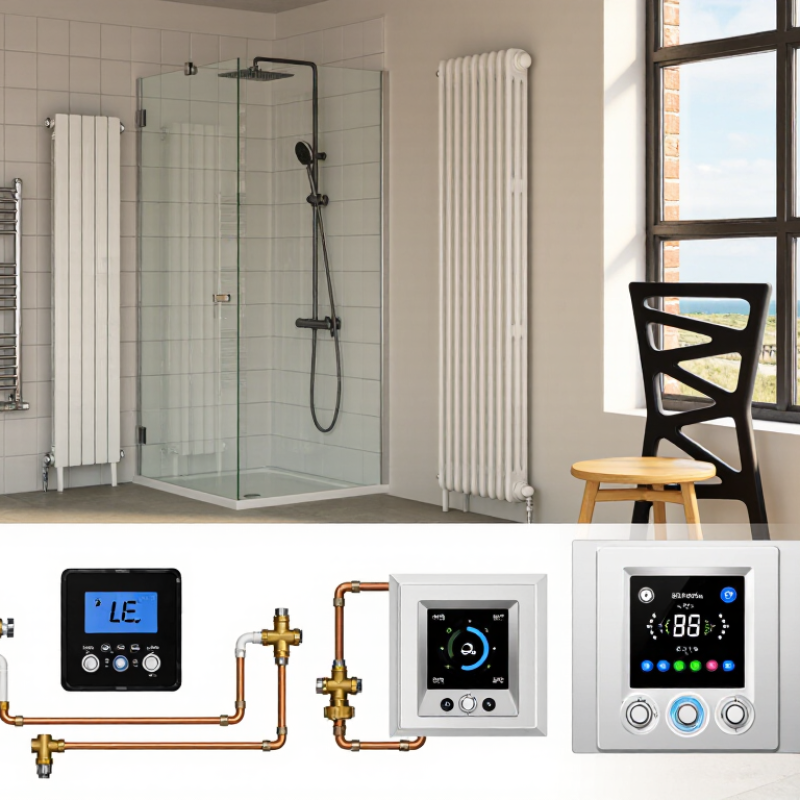
Top 10 TRV Radiator Types for Global Buyers

TRV Radiator Basics: Function, Structure, and Temperature Control

A thermostatic radiator valve, or TRV, controls heat by sensing room temperature. It is fitted to the radiator’s water inlet and adjusts hot-water flow automatically. When the room warms, the valve closes gradually. When the room cools, it opens again.

Common TRV radiator arrangements include panel, column, towel, and compact radiators. Their valve position may differ, so checking the connection layout matters. Inside a TRV, a temperature-sensitive capsule expands or contracts. This movement pushes a small pin, regulating the valve opening. The radiator then delivers only the heat the room needs. In practical heating checks, incorrect installation often causes uneven warmth or slow response. The valve may not be the real problem.

Temperature numbers on a TRV are reference settings, not exact temperatures. Room insulation, sunlight, furniture, and airflow can change the result. A setting near the middle often provides comfortable control, but each room needs adjustment. A bedroom may need less heat than a living space. Small changes matter.

Tips: Keep curtains and furniture away from the valve. They can trap warm air and create a false reading. Do not force a stiff control. Check the valve pin and seek qualified service when necessary. Global buyers should verify pipe connections, operating direction, and local installation requirements before selecting a radiator type.

Top 10 TRV Radiator Types for Global Buyers

TRV Radiator Basics: Function, Structure, and Temperature Control

Thermostatic radiator valves regulate room temperature by sensing air temperature and adjusting radiator water flow. The chart compares representative temperature-control ranges used by common TRV configurations. Mechanical TRVs commonly use a frost-protection setting near 6°C and a maximum setting around 28°C, while electronic and programmable models may extend from approximately 5°C to 30°C. Actual ranges depend on valve design, installation, and regional standards.

The Main Types of TRV Radiators for Different Heating Systems

Top 10 TRV Radiator Types for Global Buyers

The main TRV radiator types suit different water-based heating systems and room conditions. A thermostatic radiator valve adjusts hot-water flow as room temperature changes. In practice, correct sizing matters more than appearance. For standard two-pipe systems, single-panel, double-panel, and triple-panel radiators offer increasing heat output. Convector-panel models add fins for faster air movement. They work well in bedrooms, offices, and compact living areas.

Vertical radiators save wall length but need careful pipe positioning. Column radiators provide steady radiant heat and suit traditional interiors. Towel radiators serve bathrooms, although wet towels can reduce their effective output. Aluminum radiators respond quickly and place less weight on walls. Cast-iron radiators retain heat for longer, but they warm slowly and require stronger wall support. Low-surface-temperature radiators are useful with heat pumps because they deliver heat at lower water temperatures. Oversized panel radiators can also support this system.

Each type needs a compatible TRV body, connection size, and flow direction. A straight valve fits some side connections, while an angled valve suits many floor or wall pipes. Lockshield balancing remains important, especially in large buildings. I have seen rooms stay cold because the radiator was suitable, but the valve head faced a curtain. That detail is easy to miss. One-pipe systems need special valve arrangements, not ordinary two-pipe controls. District heating may require pressure and temperature checks before selection. There is no perfect type for every project. Calculations should guide the final choice.

Top 10 TRV Radiator Types for Global Buyers - The Main Types of TRV Radiators for Different Heating Systems

No. TRV Type Operating Principle Typical Connection or Layout Suitable Heating Systems Typical Applications Key Buyer Considerations
1 Standard Straight TRV A thermostatic sensor modulates the valve pin to regulate radiator flow as room temperature changes. Pipe and radiator connections are generally aligned in a straight line. Hot-water two-pipe and one-pipe radiator systems, subject to valve design. Radiators with direct pipe runs and simple wall or floor pipework. Confirm pipe size, radiator connection, flow direction, and available installation space.
2 Angled TRV Uses a thermostatic actuator while changing the flow path between the pipe and the radiator. Usually connects a horizontal or vertical pipe to a radiator connection at an angle. Most conventional closed-loop hot-water radiator systems. Common wall-mounted radiators with pipework rising from the floor or coming from the wall. Check the angle, valve orientation, thread standard, and whether the sensor remains unobstructed.
3 Corner or Compact TRV Thermostatic control is combined with a compact body to fit restricted spaces. Designed for pipe and radiator connections that meet at a corner or close offset. Low-temperature and conventional hydronic radiator systems when hydraulic conditions are suitable. Towel radiators, recessed pipework, narrow alcoves, and furniture-constrained installations. Measure center-to-center dimensions and clearance before selection; compact size does not replace correct sizing.
4 Reverse-Angle TRV Provides thermostatic regulation with a reversed or offset body arrangement for unusual pipe positioning. Used where the valve body or control head needs to face away from the radiator or toward the room. Closed-loop hot-water heating systems with compatible radiator valves. Installations requiring improved access, concealed pipe routing, or clearance from walls and covers. Verify flow direction and actuator position; incorrect orientation can affect sensing and maintenance access.
5 Remote-Sensor TRV The valve is controlled by a separate temperature sensor connected by a capillary tube or remote mechanism. Valve body is installed near the radiator while the sensor is positioned in a representative room location. Hydronic radiator systems where the radiator-mounted sensor would be covered or influenced by heat. Radiators behind curtains, inside cabinets, beneath shelves, or near strong drafts. Allow a suitable sensor location and protect the capillary tube from sharp bends or damage.
6 Liquid-Filled Sensor TRV A liquid-filled sensing element expands and contracts to move the valve actuator. Available in straight, angled, compact, and other body configurations. Standard hot-water radiator systems and many low-temperature hydronic systems. Residential and commercial rooms requiring passive, non-electric temperature control. Often selected for stable control and simple operation; verify temperature scale and installation position.
7 Gas-Filled Sensor TRV A gas-filled sensing element responds to room temperature and adjusts the valve opening mechanically. Produced in common straight or angled valve-body layouts. Closed-loop hydronic radiator systems, including systems with variable water temperatures. Rooms where fast thermostatic response is preferred and no electrical supply is available. Compare response characteristics, temperature range, valve authority, and compatibility with the heating control strategy.
8 Electronic Programmable TRV An electronic temperature sensor and motorized actuator regulate radiator flow according to programmed settings. Usually installed directly on a compatible thermostatic radiator valve body. Hot-water radiator systems with suitable valve interfaces and adequate battery access. Homes, offices, rental properties, and rooms with daily or weekly occupancy schedules. Check battery type, operating noise, programming functions, actuator compatibility, and local wireless regulations if applicable.
9 Smart Connected TRV A motorized valve uses electronic sensing and network communication for remote or automated control. Mounted on a compatible radiator valve body and connected through a specified wireless protocol or gateway. Hydronic radiator systems with individual room control requirements. Smart homes, multi-zone buildings, energy-management projects, and remotely managed properties. Confirm communication protocol, cybersecurity provisions, gateway needs, battery life, data privacy, and regional approvals.
10 Decorative or Tamper-Resistant TRV Provides normal thermostatic modulation with a protected, concealed, or restricted-access control interface. Body layout may be straight, angled, or compact, with a special cover or lockable adjustment feature. Public, commercial, institutional, and residential hydronic radiator systems. Hotels, schools, healthcare areas, rental properties, and design-focused interiors. Check accessibility for maintenance, required temperature limits, finish durability, and protection against unauthorized adjustment.

Note: TRVs are designed primarily for hot-water hydronic radiator systems. Final selection should be based on valve connection standard, pipe size, flow direction, pressure and temperature ratings, radiator type, control requirements, and applicable local installation standards.

Key Performance Factors: Heat Output, Efficiency, and Responsiveness

Top 10 TRV Radiator Types for Global Buyers

Key Performance Factors: Heat Output, Efficiency, and Responsiveness

Choosing a TRV radiator starts with heat output, not appearance. A compact panel radiator may heat quickly, while a cast-iron model releases warmth more slowly. Room size, insulation, ceiling height, and water temperature all affect real performance. Buyers should compare tested output at the same temperature conditions. Otherwise, published figures can mislead.

Responsiveness matters when room conditions change. Liquid-filled TRVs usually react steadily to temperature changes. Wax-filled models can offer reliable control at a lower cost, but their response may feel slower. Electronic TRVs provide finer adjustments and programmable schedules. Remote-sensor designs help when curtains, furniture, or recessed installation block the valve head. Small differences matter.

Efficiency depends on control quality. A well-adjusted TRV reduces overheating near sunny windows or cooking areas. It cannot correct an incorrectly sized radiator or poorly balanced heating system. Installation direction also matters. A horizontal sensor position often measures room air more accurately than one above a hot pipe. This detail is easy to overlook.

Global buyers should check thread size, connection type, operating range, and local installation requirements. Performance claims deserve independent test data, not attractive packaging. In practice, even a responsive valve may perform poorly if air remains in the radiator. That is a useful reminder: hardware cannot replace careful commissioning. Some published comparisons also ignore user habits, which can weaken their conclusions.

How to Compare TRV Radiators for Residential and Commercial Projects

For global buyers, TRV radiators should be compared by control accuracy, valve compatibility, and operating conditions. The ten common types include manual, programmable, electronic, smart, liquid-sensor, gas-sensor, straight, angled, remote-sensor, and tamper-resistant models. These categories overlap. A perfect ranking is unrealistic.

UNEP’s 2023 Global Status Report states that buildings used about 30% of global final energy. They also produced roughly 26% of energy-related emissions. This makes room-level heating control commercially important, not merely convenient. For homes, compare temperature settings, sensor response, noise, and child-safety features. For offices or hotels, examine centralized control, fault reporting, and replacement access. A valve that performs well in a bedroom may struggle in a busy corridor.

Technical checks should follow EN 215 requirements for thermostatic radiator valves. Confirm the radiator connection, valve authority, flow direction, and pressure range. CIBSE guidance also supports commissioning and hydraulic balancing before performance comparisons. Without balancing, a premium TRV may appear ineffective. That is an easy mistake.

For cold climates, gas-sensor models may respond quickly, while liquid-sensor models can offer stable control. Electronic and smart types provide scheduling, but they need reliable power and cybersecurity procedures. Remote sensors help when curtains or furniture block the radiator. Tamper-resistant valves suit schools and public buildings. In practice, installation quality often matters more than marketing claims. Buyers should request test conditions, lifecycle data, spare-part availability, and a clear warranty. We should also admit one limitation: published savings estimates vary widely by building use, insulation, and occupant behavior.

Installation, Compatibility, Maintenance, and Global Buying Considerations

Top 10 TRV Radiator Types for Global Buyers

Choosing among the top ten thermostatic radiator valve types starts with the pipe layout. Angled valves suit radiators with side connections and floor pipes. Straight valves work better when pipes run directly from the wall. Corner and H-shaped designs help in tight bathrooms or compact rooms. Remote-sensor models improve control when curtains or furniture cover the radiator head. Electronic versions offer precise scheduling but need batteries and careful setup.

Installation errors are common. A valve body should follow the marked flow direction, where required. The sensing head needs open airflow, not contact with a hot shelf. Clean threads, suitable seals, and gradual tightening reduce leaks. Measure pipe diameter, connection standard, radiator inlet, and available clearance before ordering. Do not assume regional sizing is universal. It is not.

Compatibility also includes heating pressure, water temperature, and control method. A manual-looking connection may use a different thread. Ask for technical drawings and test samples when buying internationally. Maintenance is simple but easily ignored: turn the valve through its range before winter, remove dust, and check for slow seepage. If the pin sticks, gentle movement may help; forcing it can damage the valve. Electronic heads require fresh batteries and protected storage during shipping. Some buying plans still focus only on unit price, which is a costly weakness. Packaging quality, spare parts, installation guidance, and local technical support deserve equal attention.