7 Tips for Choosing Glass Railing Standoffs?
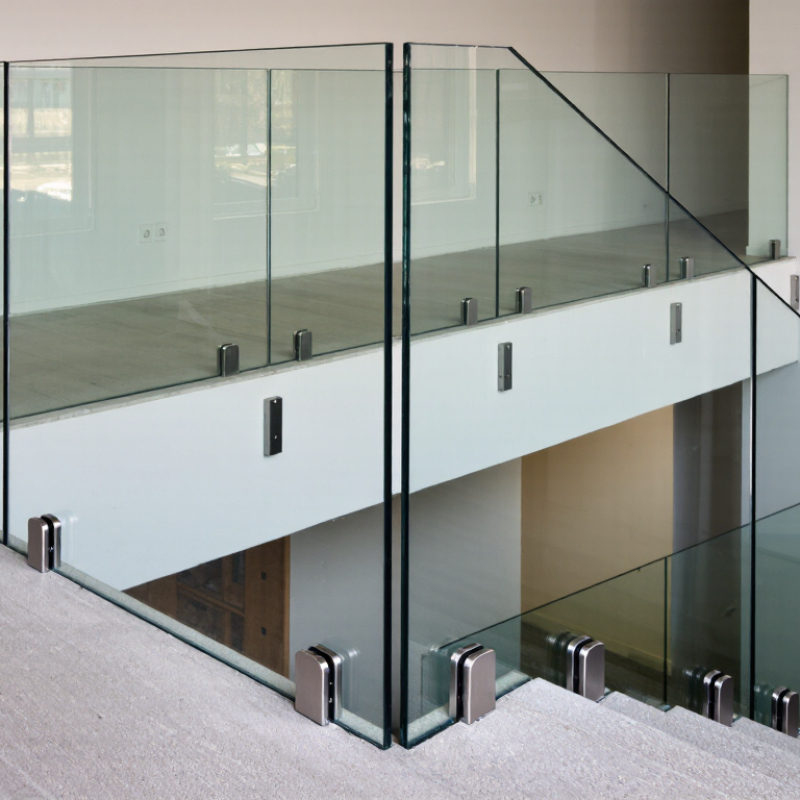
When a glass railing looks effortless, its hidden hardware carries serious responsibility. Glass Railing Standoffs connect panels to a wall, stair edge, or structural frame. Their diameter, projection, material, and fixing method influence safety and appearance. A polished finish may attract attention. However, the anchor beneath it matters more. Choosing by appearance alone is a common mistake. It can become expensive.
This guide introduces seven practical tips for evaluating standoffs before ordering them. It considers glass thickness, load paths, corrosion resistance, spacing, substrate strength, drainage, and maintenance access. Each detail affects the finished railing. For example, a stainless steel standoff may suit a sheltered interior stair, while a coastal balcony demands stronger corrosion planning. Product data should confirm grades, dimensions, tested capacity, and compatible fasteners. When information is vague, pause. Ask the supplier.
Experienced installers also inspect the wall or frame before drilling. Concrete, masonry, timber, and steel require different anchoring strategies. A beautiful bracket cannot compensate for weak support. Local building requirements and the project engineer’s specifications should guide final selection. This is not a place for guesswork. Still, even careful recommendations have limits. Site conditions may differ from drawings, and small measurement errors can affect alignment. Review the details twice, then test-fit where practical. The right choice balances clean lines, dependable performance, and realistic maintenance over years. That balance is the real goal.
Define Guard Loads: IBC Requires 200-lb Point and 50-lb/ft Line Loads
7 Tips for Choosing Glass Railing Standoffs
Guard loads should guide every standoff decision. The International Building Code (IBC) requires a 200-pound concentrated load and a 50-pound-per-foot line load for guards. Local authorities may adopt different editions or amendments, so verify the governing requirements before ordering hardware. A beautiful detail can still fail if its load path is unclear.
200-pound concentrated load
50-pound-per-foot line load
Tip 1: Identify where the 200-pound point load may act.
Check the top edge, handrail, and connection zones.
Tip 2: Calculate the 50-pound-per-foot line load along the guard.
Tip 3: Choose standoffs that transfer forces into sound concrete, steel, or properly designed framing.
Weak backing is a serious problem.
Tip 4: Confirm edge distances, embedment, and anchor spacing.
These details often control performance more than the standoff diameter.
Tip 5: Match the hardware to the glass thickness and panel dimensions.
Larger panels create greater leverage.
Tip 6: Request tested structural data, not only a decorative load rating.
Look for deflection limits, installation conditions, and failure details.
Tip 7: Consider drainage and corrosion resistance, especially near pools or coastal air.
I have seen small water traps create large maintenance issues. Site conditions are easy to underestimate.
A qualified engineer should review unusual spans, elevated decks, and uncertain substrates. IBC language is useful, but it does not replace project-specific judgment.
Choose Glass Safely: ASTM C1048 Tempered Glass Needs 69-MPa Surface Compression
7 Tips for Choosing Glass Railing Standoffs
Tip 1: Confirm the glass specification before choosing standoffs. ASTM C1048 tempered glass requires at least 69 MPa of surface compression. Ask for test documentation, not only a supplier’s verbal assurance. Surface compression helps the glass resist impact and thermal stress, but it does not make poor installation safe.
Tip 2: Match the standoff diameter, depth, and hole size to the glass thickness. Tip 3: Use corrosion-resistant metal suited to the railing’s environment. Coastal air can attack unsuitable finishes quickly. Tip 4: Check the bearing surface around every drilled hole. Sharp edges, uneven washers, or excessive tightening can create concentrated stress. That detail is easy to miss.
Tip 5: Select systems with tested load data for the intended guard height and spacing. Tip 6: Keep metal hardware isolated from the glass with approved sleeves or gaskets. Direct contact can cause chips during tightening or movement. Tip 7: Have a qualified professional verify the layout, substrate, and local safety requirements before installation. A strong standoff cannot compensate for weak concrete or poorly positioned anchors. I would also recheck the torque after fitting; installers sometimes trust the first reading too much. Use calibrated tools, record the values, and inspect the glass under clear daylight. Small edge damage may look harmless, yet it can grow after repeated vibration.
Select Standoff Metals: Use 316 Stainless Steel for Coastal Chloride Exposure
7 Tips for Choosing Glass Railing Standoffs?
Coastal air is not harmless to railing hardware. Salt-laden moisture can enter tiny gaps around glass standoff bodies. The 2016 NACE IMPACT study estimated global corrosion costs at about $2.5 trillion annually, equal to 3.4% of global GDP. That figure includes major infrastructure, but it shows the scale of corrosion risk. For seaside balconies, 316 stainless steel is a practical starting point because its molybdenum content improves resistance to chloride attack. Use 316L when welding or fabrication may create heat-affected areas.
Small details matter. Choose smooth, crevice-resistant standoffs with proper drainage paths. Avoid designs that trap wet sand behind the glass. A field inspection should check tea-colored staining, cloudy deposits, and loose fasteners after windy weather. These signs do not always mean structural failure. They do signal maintenance problems.
Do not mix metals casually. Galvanic corrosion can accelerate when dissimilar metals stay wet and electrically connected. Confirm compatibility among standoffs, washers, anchors, and the supporting frame. Rinse exposed hardware with clean water regularly, then dry it with a soft cloth. Harsh cleaners can damage the passive surface. This is easy to overlook. Even 316 stainless steel can stain in severe marine exposure, especially near pools, spray zones, or polluted shorelines. A corrosion-resistant specification is only part of the decision; installation quality and inspection frequency still deserve honest review.
Plan Installation and Inspection: Check Torque, Alignment, Drainage, and Fasteners
7 Tips for Choosing Glass Railing Standoffs?
Plan installation before selecting glass railing standoffs. Measure the substrate, glass thickness, edge distances, and expected loads. Concrete, steel, and timber require different fastening approaches. Confirm the standoff’s dimensions against the approved glass layout. A small mismatch can force unwanted drilling or glass replacement. Do not guess.
During installation, use a calibrated torque wrench and follow the specified torque range. Excessive torque may stress the glass or distort the fitting. Insufficient torque can allow movement over time. Check every fastener, not only the visible ones. Mark inspected connections lightly, then record the readings for future maintenance. Field conditions are rarely perfect, so document deviations instead of hiding them.
Alignment deserves a separate inspection. Place a straightedge along the standoffs and check the glass line from several angles. Correct uneven spacing before final tightening. Water also needs a path away from the connection. Avoid blocked drainage points, trapped moisture, and sealant that closes designed openings. Inspect washers, anchors, bolts, and threads for damage or contamination. I have seen clean-looking installations fail early because one fastener was unsuitable for the substrate. Recheck after the first cleaning and after severe weather. The work may look finished, but the inspection is not.