
+1 877-337-9312 | sale@sflbuild.com

Blog

7 Tips for Buying Fusion Bonded Epoxy Pipe

Buying a Fusion Bonded Epoxy Pipe involves more than comparing prices or choosing a familiar supplier. Coating performance, steel grade, pipe dimensions, and operating conditions all affect whether a product fits the job. A polished data sheet can still leave important questions unanswered. That matters.

An epoxy coating designed for one environment may not suit another. Temperature changes, moisture, soil conditions, and transport can all affect performance. Small details count. Ask about coating thickness, surface preparation, inspection methods, and how test results are recorded. Confirm that the pipe’s dimensions and coating system match the project specifications. No checklist can predict every site condition, and a low price alone proves little.

The seven tips in this guide focus on practical checks buyers can make before placing an order. They cover application requirements, material and coating documentation, quality control, supplier experience, delivery handling, and clear commercial terms. Where relevant, request traceable records and clarify how defects or damaged coatings will be addressed. Compare suppliers on evidence, not promises alone. A careful review may take extra time, but it can prevent costly surprises during installation. Even then, the final choice depends on the actual service conditions; that part is easy to underestimate.
7 Tips for Buying Fusion Bonded Epoxy Pipe

What Fusion-Bonded Epoxy Pipe Is and Where It Is Used

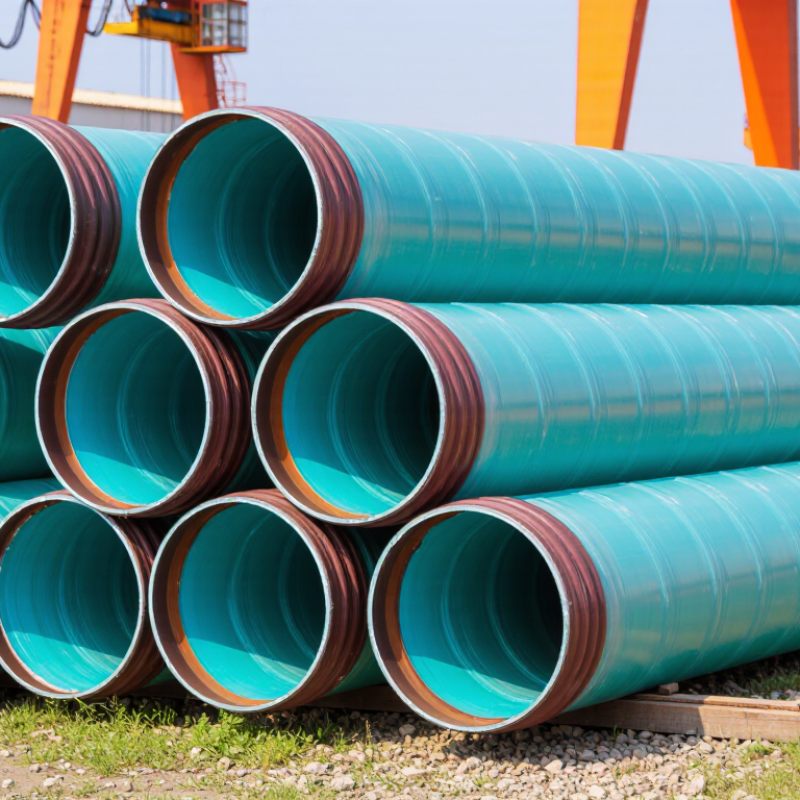
Fusion-bonded epoxy (FBE) pipe is steel pipe protected by a cured epoxy coating, not a separate pipe material. During production, epoxy powder is applied to heated steel. The heat melts and cross-links it into a tightly bonded film. Internal linings limit water contact, while external coatings help shield buried pipe from soil and moisture. AWWA C213-22 covers FBE coatings and linings for steel water pipe and fittings. Surface preparation, coating continuity, curing, and holiday testing all affect performance. A good-looking coating alone proves little. Inspection still matters. Not a cure-all.

FBE is used in drinking-water transmission mains, treatment-plant piping, and selected wastewater and industrial lines. It also protects some steel pipelines carrying oil and gas, depending on operating conditions. The U.S. EPA’s 2023 Drinking Water Infrastructure Needs Survey estimates $625 billion in drinking-water infrastructure needs over 20 years, including $422.9 billion for transmission and distribution. These figures describe system investment needs, not FBE sales or confirmed demand for the coating. That distinction is easy to miss. Buyers should match specifications to water chemistry, temperature, soil exposure, and repair access, then review inspection records.

Which Project Conditions Should Guide Your Pipe Selection

Start with what the pipe will actually face, not only its nominal pressure. Record the fluid, design pressure, temperature range, flow velocity, and expected service life. A warm process line may challenge an epoxy coating differently from a buried water main. Check the coating system’s stated temperature and chemical-resistance limits against the real operating cycle, including cleaning and shutdown conditions. Small details matter.

For buried installations, soil resistivity, moisture, chlorides, and stray-current exposure can shape external corrosion risk. Consider groundwater level and drainage too; a pipe in wet, poorly drained backfill may face different conditions from one in dry granular soil. Confirm coating thickness, holiday-testing requirements, and compatibility with the project’s cathodic-protection design. Do not assume a thicker coating solves every issue. It can still be damaged during lifting or backfilling.

Installation method is another selection factor. Directional drilling, rock contact, tight bends, and repeated handling can increase abrasion risk, so review abrasion resistance and field-repair procedures before ordering. Match diameter and wall thickness to hydraulic demand, surge pressure, supports, and joining method. Then verify the applicable pipe standard and inspection records. A datasheet is useful, but project conditions deserve a second look. It is easy to focus on coating alone and miss a poor fit between pipe, soil, and installation plan.

7 Tips for Buying Fusion Bonded Epoxy Pipe — Which Project Conditions Should Guide Your Pipe Selection?

Use these project conditions to structure your evaluation. Scores are illustrative planning priorities, not measured product performance; adjust them to your project requirements.

Consider operating temperature, conveyed-fluid chemistry, design pressure, soil and groundwater conditions, installation and handling, coating thickness and inspection, and storage or UV exposure. Confirm suitability against project specifications, applicable standards, and qualified product limits.

How to Compare Coating Standards, Dimensions, and Performance

Compare coating standards before comparing prices. AWWA C213 covers fusion-bonded epoxy coatings and linings for steel water pipe; ISO 21809-2 addresses external FBE coatings on pipeline transport systems. Check the edition, service conditions, coating location, inspection methods, and repair criteria. A standard name alone is not a complete specification. Ask whether holiday detection, adhesion, and cathodic disbondment tests match your project’s requirements.

Dimensions need equal care. Request nominal outside diameter, wall thickness, length, ovality limits, end preparation, and coating thickness as separate values. Confirm whether dimensions refer to bare steel or the finished coated pipe. That difference can affect fit at flanges and supports. Compare stated tolerances, not just nominal sizes. Small mismatches matter.

Performance figures are meaningful only when test conditions match. ASTM G8 covers cathodic disbondment testing, while ASTM G14 evaluates coating impact resistance. Ask for test results, sample details, and acceptance limits—not a pass statement alone. NACE International’s 2016 IMPACT study estimated global corrosion costs at US$2.5 trillion annually, or 3.4% of global GDP. That estimate supports careful lifecycle choices, but it cannot predict one pipe’s service life. No single test tells the whole story.

What to Verify in Manufacturer Credentials and Quality Records

Tip 1

Verify that each certificate covers the actual factory, coating process, and pipe product—not just the parent company. Check its validity dates, issuing body, and audit scope. ISO 9001 shows a quality-management system is in place, but it does not prove that a specific pipe meets its coating requirements. Ask for evidence of qualification against the applicable project specification, such as AWWA C213 for protective coatings on steel water pipelines.

Tip 2

Request recent, batch-linked quality records. A useful file should connect pipe and powder lot numbers with surface-preparation checks, coating thickness readings, cure results, and holiday-test records. Compare the report values with the purchase specification, and look for dated instrument calibration records. Sample a few serial numbers and trace them from inspection sheet to shipment. Neat paperwork can still hide gaps.

Tip 3

Review how the manufacturer handles failures, not only successful tests. Ask for nonconformance reports, corrective actions, and evidence that repeat issues were checked. The NACE IMPACT study estimated global corrosion costs at US$2.5 trillion annually, or 3.4% of global GDP, underscoring why coating records deserve close review. That figure is broad, not specific to epoxy pipe. Still, it puts a missing inspection record in perspective.

How to Check Pricing, Delivery, and Pipe Condition Before Purchase

A useful fusion bonded epoxy (FBE) pipe quote should show more than a price per ton. Compare pipe dimensions, coating thickness, inspection scope, packing, freight, and delivery terms on the same basis. Ask whether taxes, end protection, and third-party inspection are included. Cheap can be costly. Request a written schedule with production, inspection, and dispatch dates, plus notice of any material changes.

Delivery needs checking too. Confirm how pipes will be bundled, lifted, and protected from impact and moisture during storage. Ask for traceable inspection records and material certificates before dispatch, not after the truck arrives.

NACE International’s 2016 IMPACT study estimated corrosion costs at US$2.5 trillion annually, or 3.4% of global GDP. That figure covers many industries, not FBE pipe alone, but it shows why coating quality deserves careful review.

On arrival, inspect pipe ends, bevels, and coating for dents, scratches, or exposed steel. Check coating thickness against the purchase specification, and use an agreed holiday-detection procedure. A pass/fail photo is not enough. Record defects by pipe number, then confirm repairs are completed and retested. No checklist catches everything; sampling limits should be agreed before purchase, not improvised at the yard.