Top Tips for Bending Metals Like a Pro?
Bending Metals is a skill that requires both art and science. According to Larry Thompson, a leading expert in metal fabrication, "Mastering metal bending transforms raw materials into incredible designs." His experience highlights the blend of technique and creativity essential for success in this field.
To bend metals like a pro, one must understand the nuances of material properties. Each metal reacts differently to heat and pressure. Knowing these differences can prevent costly mistakes. Many newcomers rush into projects without adequate preparation. This can lead to unexpected bending failures.
Practicing on scrap pieces is crucial. It allows you to experiment and learn without fear. Seek guidance from professionals and invest time in understanding tools. Consider factors such as metal thickness and bend radius. These details can greatly impact your results. As with any craft, the journey of bending metals is filled with learning opportunities. Embrace them and refine your skills continuously.
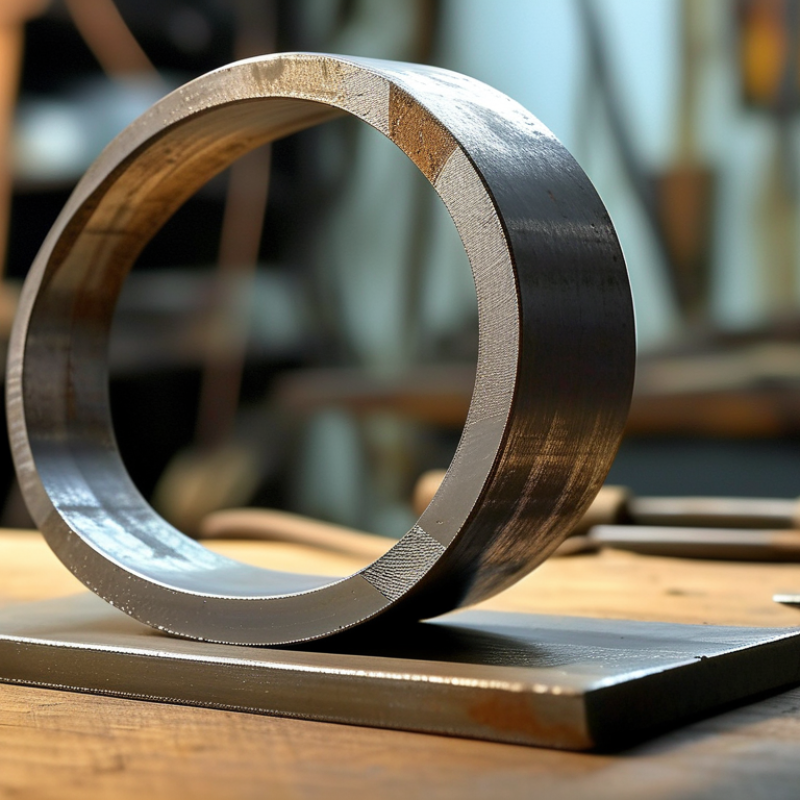
Understanding the Basics of Metal Bending Techniques
Understanding metal bending is crucial for both industrial applications and DIY projects. Industry reports show that nearly 70% of metal fabrication companies rely on bending as a primary method for shaping materials. Mastering this technique can significantly enhance a craftsman's skill set.
There are various methods for bending metals, including air bending and bottom bending. Air bending offers flexibility and less tooling wear, while bottom bending provides greater precision. Many professionals prefer air bending due to its efficiency. This method often results in a 20% reduction in material use compared to traditional methods. However, achieving consistent results requires practice and a keen eye for detail.
Mistakes often happen. Over-bending or under-bending can result in scrap metal, which is an unnecessary expense. Additionally, using the wrong tooling can lead to inconsistent bends. It's essential to frequently evaluate the bending processes. Balancing speed and accuracy is a skill that improves with experience. Observations and adjustments lead to better outcomes in future projects.
Choosing the Right Tools and Equipment for Metal Bending
Choosing the right tools and equipment for metal bending is crucial for achieving precision and quality. According to a report from the Fabricators & Manufacturers Association, about 48% of metalworking companies find improper tool selection to be one of their major challenges. This underlines the importance of investing in the correct tools.
Begin with a reliable bending machine that suits your specific metal type. For example, hydraulic benders are great for thick sheets, while electric benders work well for lighter materials. Understanding the material can prevent future reworks and cost overruns. Also, ensure you have proper die sets for different angles and radii. Sometimes, companies overlook the significance of dies, resulting in poor finishes and wasted resources.
Don't forget about safety equipment. Around 30% of injuries in metal bending occur due to inadequate safety measures, as per industry statistics. Always use gloves, goggles, and steel-toed boots. It’s not just about efficiency; it’s about protecting yourself and your team. An investment in safety ensures a smooth operation and positive outcomes in the long run. Recognizing these factors will help enhance overall performance and reliability in metalworking.
Step-by-Step Guide to Measuring and Marking Metals
Measuring and marking metals correctly is crucial for achieving precision in bending. According to a report by the Fabricators & Manufacturers Association, improper measurements account for nearly 30% of material waste in metal processing. Start by selecting the right tools. A caliper or a steel ruler is essential for accurate measurements. Ensure your tools are calibrated. Verification enhances reliability.
When marking the metal, use a fine-tip marker or scribe. Avoid using broad, thick markers that can obscure lines. Remember that sharp, clear markings lead to cleaner cuts and bends. Consider using an awl for initial dents; it creates a starting point for bending. These tiny details make a significant difference in the overall outcome.
Tips: Always measure twice and cut once. Double-check your measurements to mitigate errors. Besides, practice makes perfect. Mistakes in measuring can occur, especially when you're distracted. Keep your workspace organized. An uncluttered area minimizes chances for error. Reflection helps identify areas for improvement and enhances your skill set over time. Don't hesitate to embrace trial and error; it's part of the learning process in metalworking.
Mastering Different Metal Bending Methods and Processes
Bending metals requires understanding various techniques and methods. Mastering these processes can significantly influence the quality of your projects. For instance, studies indicate that over 50% of metalworking failures stem from improper bending techniques. This highlights the need for skillful methods.
One popular technique is air bending. It involves using a punch to create a bend at the desired angle. Data shows that air bending accounts for 40% of all bending operations in the industry. This method is effective for materials like aluminum and steel. However, achieving precision is not always straightforward. Miscalculations can lead to bends that don't meet specifications.
Another method is bottoming, where the die fully contacts the metal. This technique allows for tighter bends but requires careful setup. Research suggests that bottoming can improve the strength of the bend. Yet, it comes with challenges. Experienced operators know that too much force can crack the material. Balancing pressure is essential to avoid such issues. Exploring parameters of each bending method is crucial for achieving optimal results in metal fabrication.
Top Tips for Bending Metals Like a Pro
| Metal Type | Bending Method | Angle of Bend | Thickness (mm) | Common Applications |
| Aluminum | Air Bending | 90° | 2 | Automotive Parts |
| Steel | Roll Bending | 180° | 5 | Structural Beams |
| Copper | Mandrel Bending | 45° | 1.5 | Electrical Wiring |
| Stainless Steel | Press Brake Bending | 30° | 3 | Kitchen Equipment |
| Titanium | Hot Bending | 60° | 4 | Aerospace Components |
Safety Precautions When Bending Metals Effectively
When bending metals, safety should be your priority. Industry reports indicate that around 30% of metalworking injuries are related to improper handling and safety violations. Wearing protective gear is essential. You'll need gloves, goggles, and steel-toed boots. This equipment can prevent serious injuries from slips, sharp edges, or chemical exposure.
Tips for effective metal bending include familiarizing yourself with the tools. Use a proper bending machine for best results. Ensure your workspace is clean and organized. A cluttered space increases the risk of accidents. Always check your tools for wear and tear before usage. Trustworthy studies have shown that pre-checking can reduce workplace errors by up to 20%.
Keep your body posture in mind when bending. Poor posture can lead to injuries over time. Remember to focus on your technique. A slight mistake can lead to metal fatigue or breakage. Let's not gloss over the importance of continuous learning. Reflect on your bending methods regularly to improve and prevent mishaps.