What Are Sound Insulation Panels and How Do They Work?
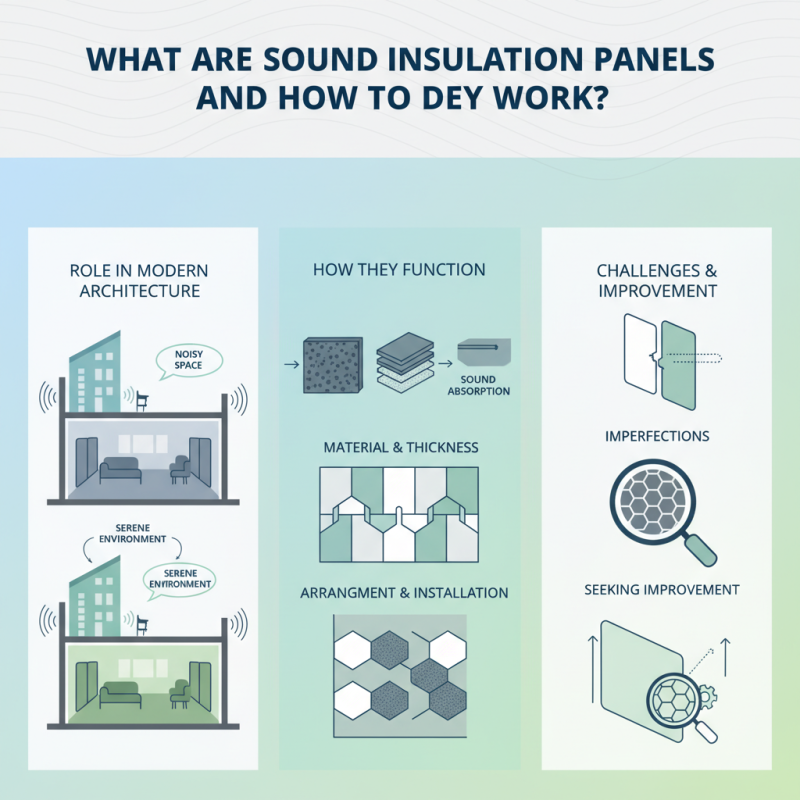
Sound insulation panels play a crucial role in modern architecture. These panels help minimize noise pollution in various environments. According to Dr. Emily Carter, an expert in acoustics, “Effective sound insulation can transform a noisy space into a serene environment.”
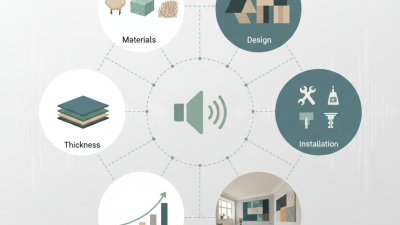
Many factors influence how these sound insulation panels function. Their material composition and thickness heavily determine their sound-absorbing capabilities. The arrangement of these panels also matters significantly. Specialized installations can lead to a noticeable difference in sound quality. However, achieving perfect acoustics is often an elusive goal.
Despite advancements in technology, some challenges remain. Not all sound insulation panels provide the same level of protection. Improper installation can lead to gaps, reducing their effectiveness. Sound can still leak into spaces, making it difficult to achieve the desired silence. It's essential to reflect on these imperfections and continually seek improvements.
What Are Sound Insulation Panels?
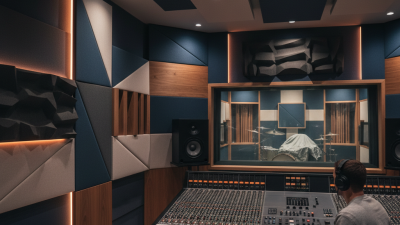
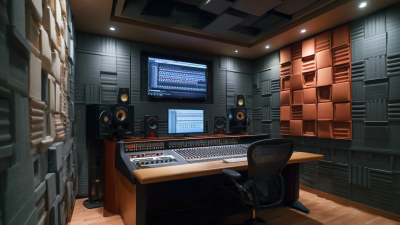
Sound insulation panels are specially designed materials used to reduce noise transmission between spaces. They are commonly made from various materials like foam, fiberglass, or mineral wool. These panels help create quieter environments in homes, offices, or studios. The use of these panels can greatly benefit places where focus is key, such as recording studios or libraries.
These panels work by absorbing sound waves and minimizing vibrations. When sound waves hit the surface of a panel, the materials inside absorb the energy. This process reduces the levels of noise that pass through walls or ceilings. Effective installation is crucial; if they are not positioned correctly, their benefits may diminish significantly. You might find gaps or imperfections, which can lead to sound leakage. It's essential to consider both aesthetics and functionality when selecting sound insulation panels.
In environments with high noise levels, these panels can provide needed relief. Choosing the right type and thickness is important to achieve the best results. However, sometimes the level of noise reduction may not meet expectations. It’s always worth reassessing the materials used or the installation method if noise still penetrates. Sound insulation is an ongoing journey of exploration and refinement.
Sound Insulation Panel Types and Their Effectiveness
The Science Behind Sound Insulation Panels
Sound insulation panels are designed to reduce noise entering or leaving a space. They work by absorbing sound waves and minimizing vibration. The materials used in these panels can vary widely. Some common materials include foam, fiberglass, and mass-loaded vinyl. Each material plays a role in dampening sound.
The science behind sound insulation involves understanding how sound travels. Sound waves are vibrations in the air. When they hit a soundproof surface, some of that energy is absorbed. The rest reflects back, creating echo. Sound insulation panels break this cycle. Their design targets specific frequencies, especially low-frequency sounds. This is important in noisy urban areas or open offices.
However, not all panels are equally effective. Factors such as thickness, density, and installation impact performance. Users may find some panels less effective than expected. It’s essential to assess the specific noise reduction needs of a space. This can lead to a more satisfactory sound environment. This trial and error process helps refine choices. Sound insulation is complex, and solutions may require iterations.
Types of Sound Insulation Panels and Their Uses
Sound insulation panels play a crucial role in reducing noise pollution in various environments. They come in different types, each serving specific functions. Acoustic foam panels are popular in studios. They absorb sound waves, minimizing echo. These panels are typically lightweight and easy to install. They can be placed on walls or ceilings, creating a quieter space.
Another type is mass-loaded vinyl panels. They are dense and designed to block sound transmission. These panels are ideal for shared walls in apartments. They help prevent conversations and loud music from disturbing neighbors. Some panels are designed to be decorative as well, blending with interior design. This can pose a challenge, as aesthetics might overshadow functionality.
Fiberglass panels are another option. They offer sound absorption and insulation. However, their installation may require professional help. Users might find it tricky to achieve optimal results. When choosing sound insulation panels, it’s important to balance effectiveness with budget and aesthetics. Each choice comes with its own set of pros and cons that should be carefully considered.
What Are Sound Insulation Panels and How Do They Work? - Types of Sound Insulation Panels and Their Uses
| Panel Type |
Material |
Sound Reduction Capability |
Common Uses |
| Acoustic Foam Panels |
Polyurethane Foam |
Up to 50% noise reduction |
Recording studios, home theaters |
| Mass Loaded Vinyl (MLV) |
Vinyl with added mass |
Up to 30 dB |
Walls, ceilings, floors |
| Fiberglass Panels |
Fiberglass insulation |
Up to 70% noise reduction |
Commercial buildings, factories |
| Wood Paneling |
Solid wood or composite |
Variable, depends on thickness |
Residential homes, offices |
| Plastic Panels |
Polyethylene or Polycarbonate |
Moderate |
Separating spaces, outdoors |
How Sound Insulation Panels Are Installed
Installing sound insulation panels can significantly enhance the acoustic environment of any space. Proper installation is key to maximizing their effectiveness. The right placement helps reduce noise transmission through walls, ceilings, and floors. Studies show that sound insulation panels can cut noise levels by up to 60%. This dramatic reduction leads to quieter, more peaceful spaces.
To install sound insulation panels correctly, start with choosing the right type of panel. Common options include foam, mineral wool, and mass-loaded vinyl. Each type offers distinct benefits based on the specific noise problem. Next, measure the area carefully. This ensures you purchase enough material for complete coverage. Cut the panels to size as needed.
Use adhesive or mounting hardware to secure the panels firmly to the surface. Ensure a snug fit for optimal sound absorption. It’s essential to remember that mistakes in alignment can lead to sound leaks. This may compromise the overall effectiveness. Also, consider environmental factors like temperature and humidity. These elements can affect adhesive performance. Review the installation materials and methods regularly. Adjustments might be needed to maintain long-term performance.
The Benefits of Using Sound Insulation Panels in Various Settings
Sound insulation panels serve as a vital solution for reducing noise levels in various environments. In offices, they create a peaceful atmosphere for productivity. By absorbing sound rather than reflecting it, these panels reduce distractions. Workers can concentrate better without the constant clatter of conversations and electronic devices. In homes, they transform spaces into serene retreats. Families can enjoy movie nights without outdoor disturbances or noisy neighbors.
These panels are also beneficial in public spaces. Schools can implement them to enhance learning conditions. Noisy hallways often disrupt lessons. By installing sound insulation panels, students focus better on their studies. In restaurants, customers seek a pleasant dining experience. Excessive noise can drive patrons away. Strategic panel placement can create cozy nooks of calm amid the bustling environment.
Though effective, sound insulation panels have limitations. They may not eliminate all noise. Sometimes, sound leaks through gaps or windows. This reality reminds us that achieving complete silence is challenging. Regular reflection on this can lead to improved design choices. Overall, understanding the benefits and shortcomings of sound insulation panels helps in making informed decisions about their use.