
+1 877-337-9312 | sale@sflbuild.com

Blog

What Is a pH Meter and How Does It Work?

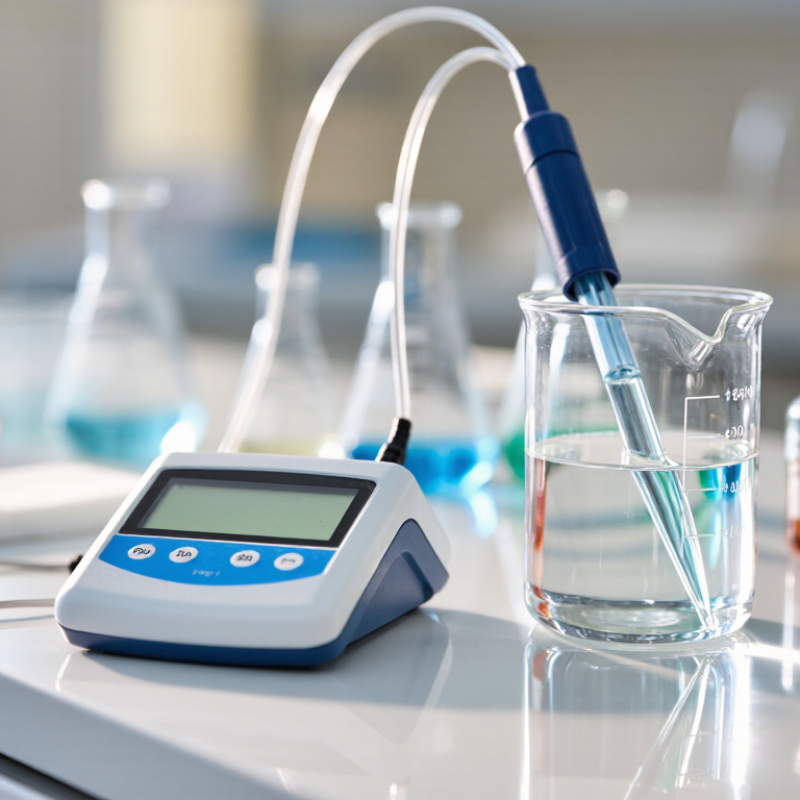
A Ph Meter is more than a small laboratory device with a glass probe. It converts hydrogen-ion activity into a readable pH value, usually through a voltage difference between a glass electrode and a reference electrode. The result appears on a digital screen, often within seconds. In a beaker, this invisible chemical change becomes a clear number.

Dr. Arnold O. Beckman, who developed the first commercial electronic pH meter, described his breakthrough modestly: “It was a simple idea, but it took a lot of work to make it practical.” His experience remains relevant. A Ph Meter can provide excellent accuracy, but only when the operator calibrates it correctly, rinses the probe, and controls temperature. The instrument is not magic.

Industry research reflects its broad use. Grand View Research reports that the global pH meters market is expanding across water treatment, food production, pharmaceuticals, and environmental testing. The U.S. Environmental Protection Agency identifies pH as an important indicator of drinking-water quality, commonly monitored within a recommended range of 6.5 to 8.5. These figures show why reliable measurement matters.

Still, a displayed value can mislead. A dry electrode, trapped air bubble, contaminated buffer, or careless sampling may produce false confidence. I have found that the most overlooked step is often simple: allowing the probe to stabilize. This guide explains what a Ph Meter measures, how its electrodes work, and why correct maintenance can matter more than a sophisticated screen.
What Is a pH Meter and How Does It Work?

What Is a pH Meter and What Does It Measure?

A pH meter measures how acidic or alkaline a liquid is. It does not directly count hydrogen ions. Instead, it estimates hydrogen-ion activity through an electrochemical response. The scale runs from 0 to 14 under common conditions. A pH of 7 is neutral, while lower values indicate acidity. The scale is logarithmic. A sample at pH 6 has ten times more hydrogen-ion activity than one at pH 7. Small changes matter.

Inside the meter, a glass sensing electrode responds to hydrogen-ion activity. A reference electrode provides a stable comparison point. The instrument converts the voltage difference into a pH value. Temperature compensation improves accuracy because electrode response changes with temperature. It cannot correct a poorly collected sample. The U.S. EPA Secondary Drinking Water Standards list a pH range of 6.5 to 8.5 for drinking water. ISO 10523:2008 also defines procedures for measuring pH in water samples.

Good practice begins with calibration using certified buffer solutions. The electrode should be rinsed with purified water and gently blotted, not wiped. Air bubbles can distort the reading. Dirty glass may respond slowly. That is easy to overlook. In field testing, unstable temperatures, weak sample mixing, and expired buffers can create false confidence. A reliable measurement needs the number, the temperature, the calibration record, and the sampling conditions. Otherwise, the decimal point may look more precise than the test really is.

The Main Components of a pH Meter

What Is a pH Meter and How Does It Work?

The Main Components of a pH Meter

A pH meter turns hydrogen-ion activity into an electrical signal. Its most important part is the glass electrode. A thin, hydrated glass membrane responds to hydrogen ions in the sample. The reference electrode supplies a stable electrical potential. Together, they create a voltage that changes with acidity.

The meter needs a high-impedance amplifier. It measures tiny signals without drawing noticeable current from the electrodes. At 25°C, an ideal electrode response is about 59.16 millivolts per pH unit. This value follows the Nernst relationship and supports accurate calibration. A temperature sensor corrects response changes because electrode slope varies with temperature. The junction also matters. It allows ion flow while limiting contamination between the reference solution and sample.

The surrounding body protects these parts, but it cannot fix poor handling. US EPA Method 150.1 requires calibration with standard buffers before measurement. ISO 10523 also emphasizes temperature control, electrode conditioning, and stable readings. A clean reading is not always a correct reading. Dirty glass, trapped air, or a dry junction can create convincing errors.

Tips: Rinse the electrode with purified water. Blot gently, rather than rubbing the glass. Calibrate near the sample’s expected pH. Wait for the display to stabilize. Record temperature and calibration slope. If the result looks unusual, repeat the test with a fresh sample. That small pause often reveals a weak electrode.

How a pH Meter Detects Acidity and Alkalinity

What Is a pH Meter and How Does It Work?

A pH meter detects acidity and alkalinity by measuring hydrogen ion activity in a solution. Unlike indicator paper, it produces a numerical reading. Its probe contains a sensitive glass membrane and a stable reference electrode. When the membrane touches a sample, hydrogen ions interact with its surface. This interaction creates a small electrical potential. The meter converts that potential into a pH value.

That voltage is tiny.

Accurate testing begins with proper calibration. Use fresh standard buffer solutions that cover the expected sample range. Rinse the probe with clean water, then gently blot it. Do not rub the glass surface. Place the probe into enough liquid to cover its sensing area. Wait for the reading to stabilize, especially when testing cold or viscous samples. Temperature changes can shift the result, so temperature compensation matters.

A pH value can appear precise while still being wrong. Residue on the probe, trapped air bubbles, weak calibration solutions, or a dried electrode may cause errors. Very low or high ionic strength samples can also respond slowly. In routine laboratory work, reliable users record the temperature, calibration details, and sample conditions. The number is evidence, not the whole answer. Even careful measurements deserve a second look.

How to Calibrate and Use a pH Meter

A pH meter measures how acidic or alkaline a liquid is by detecting hydrogen-ion activity. Its glass electrode responds to electrical changes in the sample. The meter converts that signal into a pH value. A stable reading requires careful preparation.

Calibration determines whether the instrument is trustworthy. Let the electrode reach room temperature before starting. Pour fresh pH 7 buffer into a clean container. Rinse the electrode with distilled water, then gently blot it with lint-free tissue. Do not rub the glass bulb. Place it in the buffer and wait until the reading settles. Repeat the process with pH 4 or pH 10 buffer, depending on the sample range. Use new portions of buffer each time. Contaminated buffer can quietly distort the result.

Use the calibrated meter immediately when possible. Stir the sample gently, avoiding bubbles around the glass bulb. Immerse the sensing area fully, then wait for a stable value. Record the temperature and sample details with the pH reading. Rinse the electrode between samples to prevent carryover. Never store it dry. Keep the sensing tip in a suitable electrode storage solution. I have seen rushed measurements look precise but change noticeably after another minute. That is a useful warning. Calibration also needs repeating after long storage, heavy use, or an unexpected result. Temperature compensation helps, but it cannot correct a dirty or aging electrode.

Factors That Affect pH Measurement Accuracy

A pH meter measures hydrogen-ion activity through a glass electrode and a reference electrode. Their electrical potential changes with acidity or alkalinity. At 25°C, the theoretical response is about 59.16 millivolts per pH unit. That response shifts with temperature, so automatic compensation improves consistency, but it cannot correct every sample problem.

Calibration quality strongly affects accuracy. ASTM E70-24 describes glass-electrode measurement for aqueous solutions, while U.S. EPA Method 150.3 emphasizes fresh, traceable buffer solutions and routine verification. A practical calibration often uses pH 7.00 plus pH 4.01 or 10.01, matching the expected sample range. Rinse the electrode with purified water, then gently blot it. Do not wipe the glass bulb. Tiny droplets of buffer can contaminate the next solution.

Temperature, contamination, electrode aging, and sample chemistry also create errors. Low ionic strength samples may produce unstable readings. Dirty junctions can cause slow drift. Stirring too vigorously introduces carbon dioxide and air bubbles, especially in small containers. The sample should reach a stable temperature before measurement. A 0.1 pH difference may look minor, yet it can change process decisions. In practice, even careful technicians sometimes trust a stable display too quickly. That is a mistake worth challenging. Record calibration slope, temperature, buffer lot, and stabilization time. Those details make unusual results easier to investigate.