Why is Noise Insulation Critical for Your Home Comfort?
Noise insulation plays a vital role in our home comfort. Many homeowners overlook it, yet it affects our daily lives. Renowned soundproofing expert, Dr. Emily Parker, emphasizes, "Effective noise insulation transforms a chaotic environment into a peaceful sanctuary." This highlights the significance of soundproofing in our living spaces.
Imagine a workspace filled with constant chatter and traffic noise. Over time, it becomes unbearable, leading to stress and decreased productivity. Noise insulation offers a solution to these disruptive sounds. Many factors can influence how much noise travels through walls, floors, and ceilings. Selecting the right materials is crucial. Robust insulation decreases disturbances and improves overall well-being.
However, achieving the desired level of noise insulation requires thoughtful consideration. Not all homes are constructed the same. The existing design and materials may limit effectiveness. Homeowners often find themselves puzzled by varying solutions. It's essential to consult professionals and explore options tailored to specific needs. Ultimately, investing in quality noise insulation elevates comfort levels and enhances quality of life.
Importance of Noise Insulation for Home Comfort
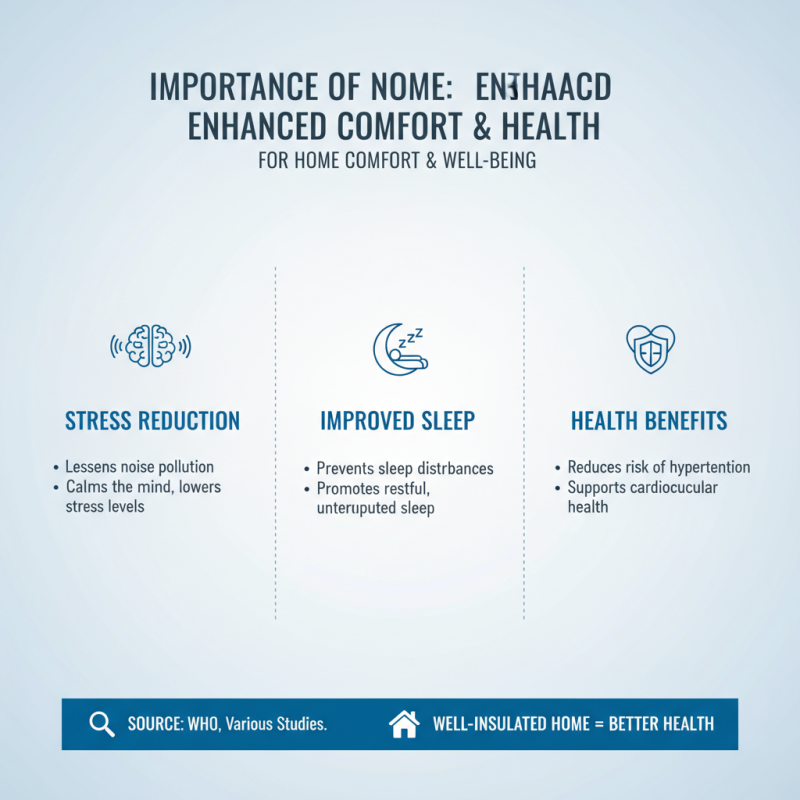
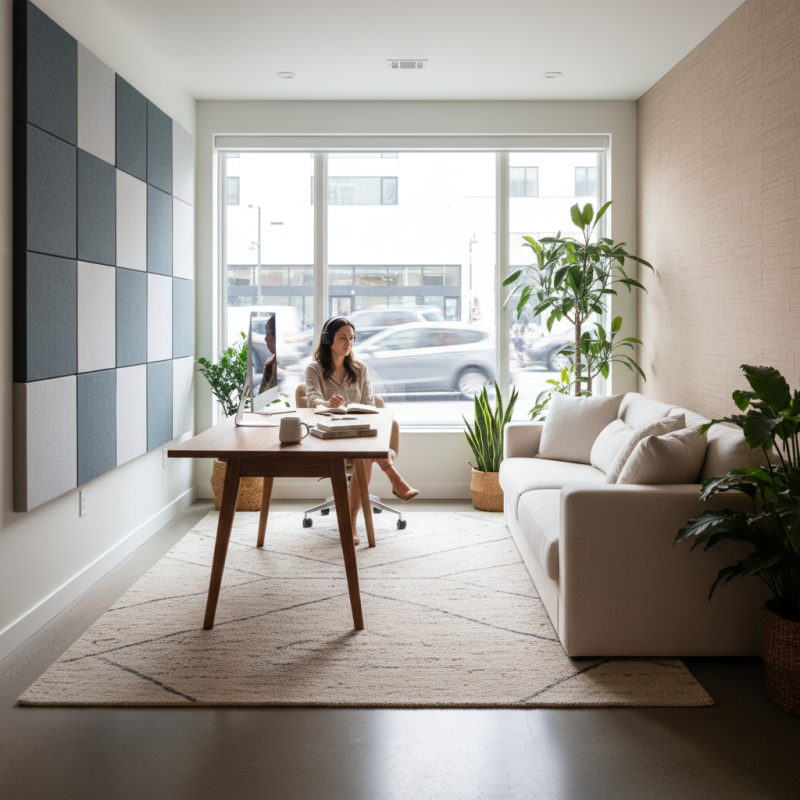
Noise insulation is essential for enhancing home comfort. Studies show that noise pollution can increase stress levels and disturb sleep. According to the World Health Organization, prolonged exposure to noise can lead to health issues such as hypertension and heart disease. A well-insulated home can significantly reduce these risks.
Modern construction methods often overlook noise insulation. Many homeowners experience unwanted sounds from outside and within their homes. A survey by the Acoustical Society found that 70% of people value quietness in their living spaces. Poor insulation can lead to disturbance from neighbors, traffic, or loud appliances. This situation often requires costly renovations to improve sound barriers.
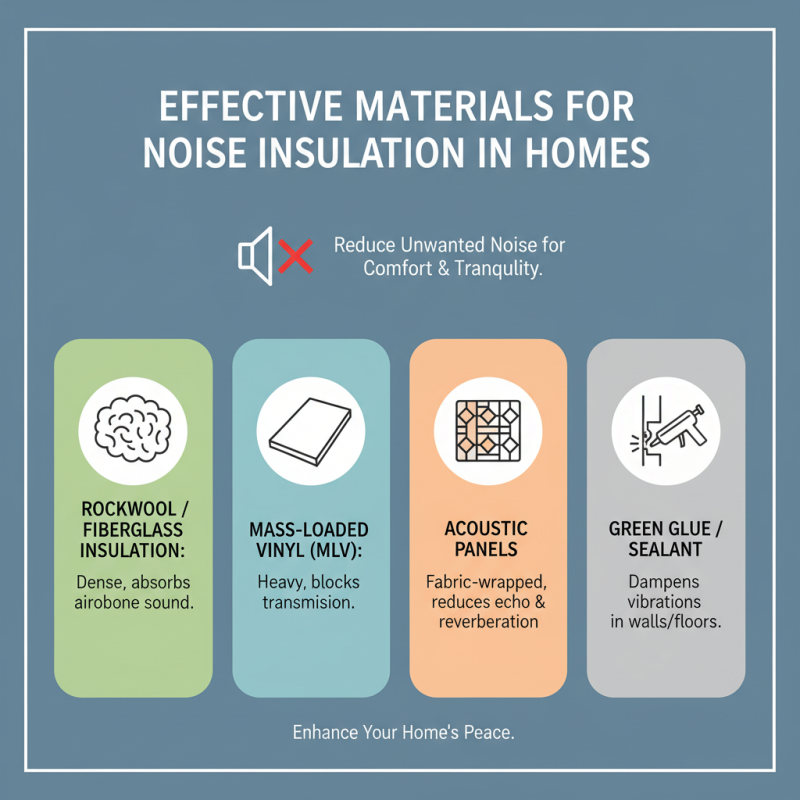
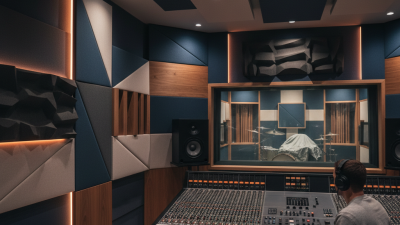
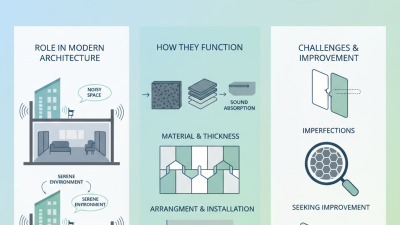
Effective noise insulation creates a sanctuary at home. Insulation materials such as acoustic panels and soundproof windows can block distracting sounds. Yet, many individuals hesitate to invest in these solutions. They may underestimate the benefits of a peaceful environment. Addressing noise issues can enhance overall well-being and productivity at home.
Types of Noise Pollution in Residential Areas
Noise pollution is a significant issue in residential areas. Different types of noise can disrupt daily life and impact well-being. Traffic noise is one of the most common sources. The constant sound of vehicles can create an irritating backdrop that affects sleep and concentration.
Another prevalent source is construction noise. Renovations and new constructions can bring sudden loud sounds that last for hours. Homeowners may feel stressed by the unpredictability of these noises. Furthermore, neighbors can contribute to the problem. Music, parties, or even barking dogs can create a noisy environment that disturbs the peace.
In urban settings, the hustle and bustle can overwhelm. It’s easy to overlook how these sounds affect our lives. A chaotic noise landscape can lead to heightened anxiety and reduced comfort at home. Awareness of these diverse sources of noise pollution is the first step toward creating a quieter, more serene home environment.
Impact of Noise on Health and Well-being
Noise pollution is a growing concern in today's world. It affects our health and well-being significantly. Chronic noise exposure can lead to stress, anxiety, and even sleep disturbances. These impacts are not just minor inconveniences; they can result in serious health issues over time. In a noisy environment, your body remains in a heightened state of alertness. This can elevate your blood pressure and increase your risk of heart disease.
To improve your home comfort, consider these tips. Start with thick curtains; they can block outside noise effectively. Use area rugs and carpets as well; they absorb sound and reduce echoes. If possible, install soundproof windows or add weather stripping to existing ones. These small changes can contribute to a more peaceful living space.
It’s vital to be aware of your noise environment. Reflect on how noise affects your mood and productivity. Perhaps you notice a decline in focus when distractions arise. Pay attention to your surroundings. Are there changes you can make? Identifying sources of noise can help you create a more serene atmosphere at home. This awareness is key to improving your overall well-being.
Tips for Improving Noise Insulation in Your Home
Noise pollution can significantly affect your home comfort. Studies indicate that over 60% of people experience sleep disturbances due to noise. It's essential to address this issue, especially for those living in urban areas. Improving noise insulation can create a peaceful living environment.
One effective tip is to use heavy curtains. They can absorb sound and reduce external noise. Installing door sweeps can also minimize sound leaks around doors. This simple and cost-effective measure might not solve everything, but it contributes to a quieter home.
Another option is to add rugs or carpets. Hard floors often amplify noise, while soft materials can dampen sounds. According to the Acoustical Society of America, carpets can reduce sound by up to 30%. In many homes, this improvement can enhance overall comfort, focusing on serene spaces. However, some homeowners tend to overlook these practical solutions. Seeking professional assessment may yield better results, ensuring every corner of your home promotes tranquility.
Why is Noise Insulation Critical for Your Home Comfort? - Tips for Improving Noise Insulation in Your Home
| Dimension |
Factor |
Impact on Noise Insulation |
| Walls |
Material Type |
Different materials provide varying levels of insulation; thicker materials generally offer better soundproofing. |
| Windows |
Double Glazing |
Double-glazed windows significantly reduce noise transmission from outside. |
| Floors |
Carpet vs. Hard Flooring |
Carpets absorb sound better than hard flooring, reducing noise levels in a room. |
| Ceilings |
Acoustic Panels |
Installing acoustic panels can significantly lower noise reflection and absorption in a space. |
| Doors |
Solid Core vs. Hollow Core |
Solid core doors provide better noise insulation compared to hollow core doors. |
| Roofing |
Insulation Material |
Proper insulation materials can greatly reduce noise from rain and outside disturbances. |