How to Improve Sound Insulation in Your Home?
In today's fast-paced world, noise can be a serious disturbance. Enhancing sound insulation in your home is essential for comfort and tranquility. According to Dr. Emily Thompson, an expert in acoustics, "Effective sound insulation truly transforms living spaces into peaceful retreats." This quote emphasizes the significant impact proper sound insulation can have on our daily lives.
Many homeowners overlook this aspect. They may assume that thick walls are enough. However, sound travels in ways that walls alone cannot block. Achieving effective sound insulation involves more than just etching thick barriers. It requires thoughtful planning and specialized materials that absorb or block sound waves.
Investing in these solutions can be daunting. Many might doubt the effectiveness of such upgrades. However, when executed correctly, the results can be profound. Your home can become a sanctuary, free from unwanted noise. This often results in enhanced relaxation and better overall well-being. Ultimately, improving sound insulation is not just a luxury - it is a necessary step towards creating a peaceful living environment.

Understanding Sound Insulation: Key Concepts and Benefits
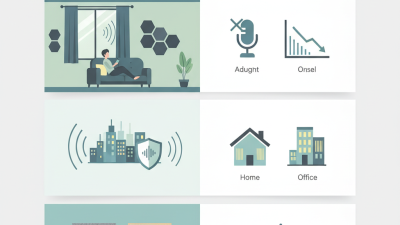
Understanding sound insulation is crucial for a peaceful home environment. The basic concept revolves around reducing noise transfer between spaces. Effective sound insulation helps manage unwanted sounds, whether from outside traffic or noisy neighbors. This is especially important in urban areas where ambient noise can disrupt daily life.
Key benefits include enhanced comfort and privacy. A well-insulated home provides a sanctuary from external disturbances. It can significantly improve your quality of life. Insulation materials such as foam, fiberglass, and specialized drywall serve different purposes. However, not every method will suit every home. Consider the specific needs of your living space before choosing a solution.
While the process can seem straightforward, common mistakes include overlooking details like windows and doors. Often, gaps around frames allow noise to seep through. It’s essential to assess the entire home for potential weak points. Sometimes, DIY attempts can lead to more issues than solutions. Reflect on the areas where noise penetrates your space and adopt a comprehensive approach for better results.
Identifying Common Sources of Noise in Your Home
Noise can disrupt your peace at home. Identifying common sources of noise is a crucial first step in improving sound insulation. One frequent culprit is external traffic noise. If you live near a busy road, this can be bothersome. Consider how sound travels through windows. Single-pane glass provides little barrier against outside noise.
Another source can be household appliances. Dishwashers, washing machines, and even refrigerators can create unwanted sounds. Pay attention to their locations; if they are near bedrooms or quiet areas, this noise can be amplified. Sometimes, the structure of your home can contribute, too. Thin walls and floors allow sounds to pass easily from one room to another.
Pets can also add to the noise level. Barking dogs or playful cats can be disruptive. Even daily activities, such as walking on hard floors, can create sound that travels throughout your space. Reflect on how your daily routine affects noise levels. Understanding these common sources helps you take effective steps toward sound insulation.
Choosing the Right Materials for Effective Soundproofing
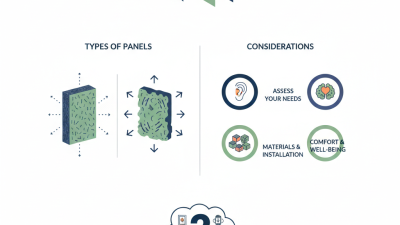
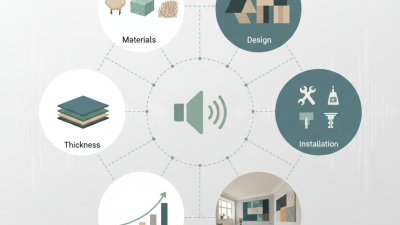
When it comes to improving sound insulation in your home, choosing the right materials is key. Acoustic panels are a common choice. They absorb sound waves and reduce noise levels significantly. Look for panels made from high-density foam or fabric-covered options. These materials can fit into various home styles while offering effective soundproofing.
Another option is mass loaded vinyl (MLV). This heavy material adds weight to walls, helping to block sound. It’s flexible and can be easily installed in existing walls or ceilings. Remember to seal any gaps or cracks, as sound can sneak through even the smallest openings.
Using rugs, carpets, or heavy drapes can further enhance sound insulation. These materials can trap sound and prevent echoes in your living space. Layering rugs in rooms with hard floors can make a noticeable difference. Think about how furniture placement might also affect sound. Large items can act as barriers that help in reducing noise levels.
Implementing Structural Modifications for Enhanced Insulation
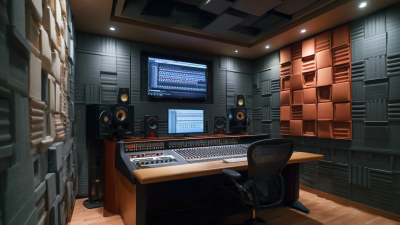
Improving sound insulation in your home can transform your living environment. Structural modifications are a key step. One effective method is to add acoustic panels to walls. These panels absorb sound rather than reflecting it. They come in various textures and colors, allowing you to enhance aesthetics while boosting sound insulation.
When undertaking a renovation, consider installing double-glazed windows. These windows create an air pocket between glass layers. This can effectively minimize noise from outside. Proper sealing around the frames is equally important. Gaps can allow sound leakage, counteracting your efforts.
Introducing heavy drapes can also help. Thick fabrics can absorb sound waves, adding another layer of insulation. Don't forget about floors; carpets or rugs can reduce sound transmission as well. Each adjustment contributes to a quieter home. However, it's vital to assess which changes align with your personal style and budget. Adapt these ideas to your space for the best results.
Maintaining Sound Insulation Over Time: Tips and Best Practices
To maintain sound insulation in your home, regular upkeep is essential. Check doors and windows for gaps. Weatherstripping can significantly reduce noise infiltration. Ensure that your windows are double-glazed, which offers better soundproofing than single-pane options.
Sealing cracks in walls and around outlets also contributes to a quieter environment. Use acoustical sealant for a tighter seal. Consider re-evaluating your flooring, as carpets can absorb sound while hard floors reflect it. Regularly inspect your insulation material; it should remain intact and effective over time.
If you notice noises creeping in, reassess your insulation strategy. Experiment with adding heavy drapes or soundproof panels to your walls. These changes might feel excessive at first, but they can greatly improve comfort levels. Sound insulation is not a one-time task; it requires commitment and periodic review for the best results.
How to Improve Sound Insulation in Your Home? - Maintaining Sound Insulation Over Time: Tips and Best Practices
| Tip |
Description |
Frequency of Maintenance |
| Seal Gaps and Cracks |
Use caulk or sealant to fill in any gaps or cracks around windows, doors, and walls. |
Annual |
| Insulate Walls |
Upgrade insulation in walls to absorb sound better and improve overall energy efficiency. |
Every 5-10 years |
| Install Soundproofing Panels |
Add acoustic panels to walls or ceilings to reduce noise transmission. |
As needed |
| Upgrade Windows |
Consider double or triple-glazed windows to enhance sound insulation. |
Every 15-20 years |
| Use Rugs and Carpets |
Incorporate thick rugs or carpets to help absorb sound, particularly in high-traffic areas. |
Quarterly |