10 Expert Tips for Choosing Acoustic Flooring for Your Home
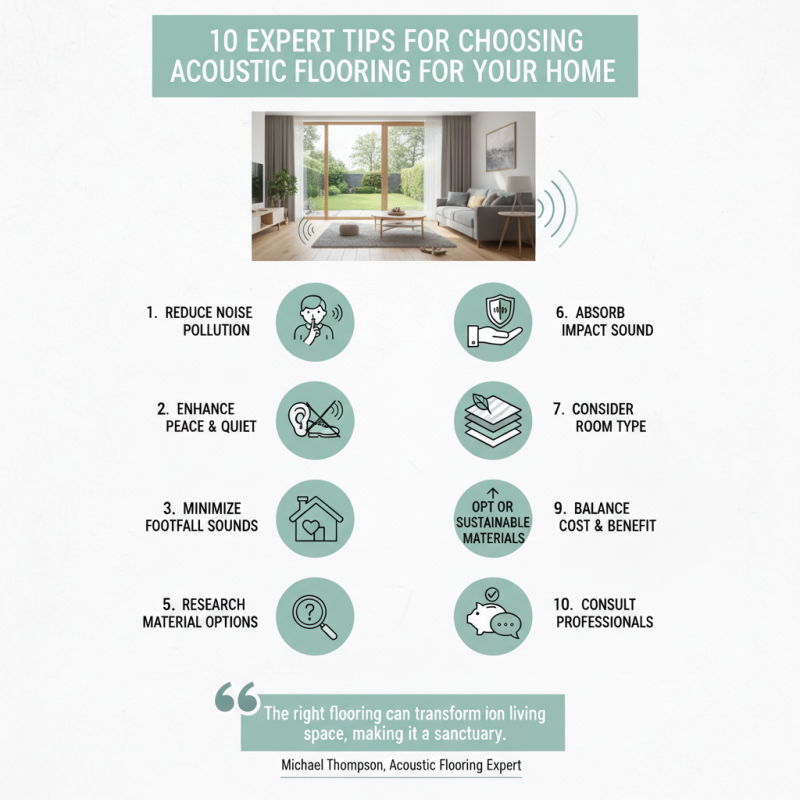
When it comes to creating a peaceful home environment, choosing the right acoustic flooring is essential. According to Michael Thompson, an acoustic flooring expert, "The right flooring can transform your living space, making it a sanctuary." This statement highlights the importance of soundproofing in residential settings.
Acoustic flooring not only reduces noise, but also enhances comfort. Many homeowners overlook this essential aspect. For instance, consider the impact of footfalls in a bustling household. Without proper acoustic solutions, daily life can become chaotic and stressful.
Incorporating quality acoustic flooring can be a game-changer. Selecting the ideal materials is crucial. There's a vast selection available, but not all options fit every need. A thoughtful choice will contribute to a more serene home atmosphere. It might require some research and trial, but the benefits are worth the effort.
Understanding Acoustic Flooring: What Is It and Why It Matters
Acoustic flooring plays a crucial role in creating a peaceful home environment. It dampens sound, minimizing noise from footsteps and activities. This type of flooring is essential for those who live in apartments, multi-level homes, or simply want a quieter space. When sounds are absorbed, it enhances the overall comfort of your home.
Choosing the right acoustic flooring involves understanding its types and characteristics. Some materials offer better sound insulation, while others may be more aesthetically pleasing. Consider how each option blends with your interior style. Testing samples can be helpful. Walking on them and listening to the sound can reveal a lot. Not all products perform equally well, raising doubts about effectiveness.
Installation is another important factor. DIY installation seems appealing, but it can lead to mistakes that compromise sound reduction. Hiring professionals might be a better choice, despite the cost. Mistakes can be costly and frustrating. Reflecting on these aspects will help ensure your choice truly meets your needs. Choosing the right acoustic flooring is about balancing comfort, aesthetics, and practicality.
Acoustic Flooring Selection Criteria
Evaluating Different Types of Acoustic Flooring Materials
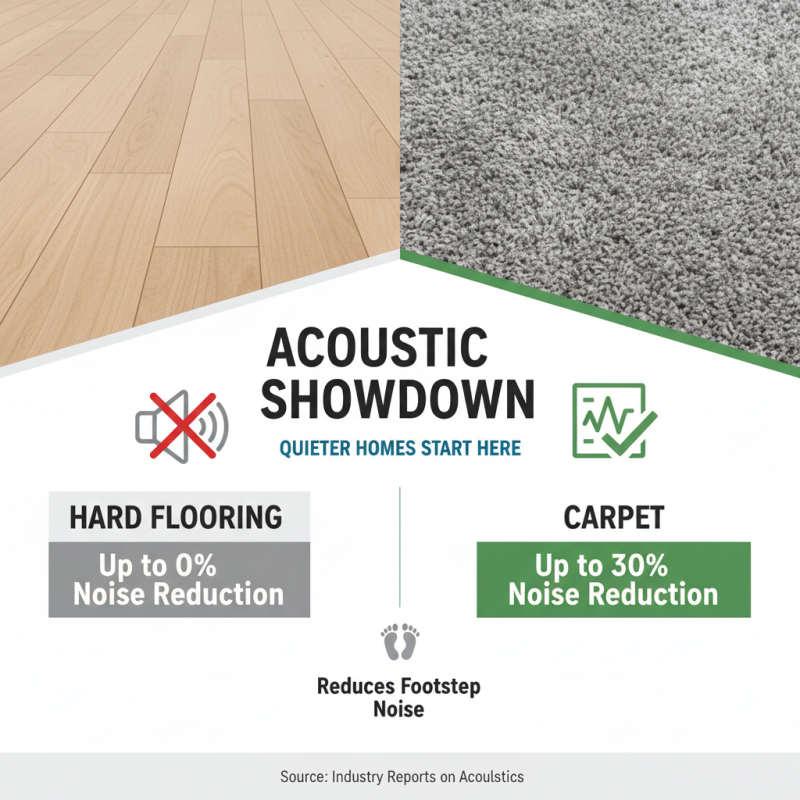
When choosing acoustic flooring materials, it is essential to understand their effectiveness in noise reduction. Reports indicate that carpets can reduce noise levels by up to 30% compared to hard flooring options. This can significantly ease the sound of footsteps and everyday activities in your home. Carpets also offer comfortable texture underfoot, which can elevate your living space.
Another popular choice is underlayment. Acoustic underlayment can enhance sound insulation when installed beneath hard surfaces. Studies show that it can provide up to 50% noise reduction in multi-story buildings. It is crucial to select the correct type based on your flooring. Some products focus on impact sound, while others target airborne sound.
Wood and laminate floors are increasingly used, but they can transmit sound more readily. Users often overlook the importance of proper installation. Gaps between planks can lead to increased noise transmission, negating the benefits of acoustic flooring. Additionally, the choice of thickness and density in flooring materials significantly affects sound absorption. Make a choice that suits both aesthetic and functional needs. The balance between style and soundproofing is not always clear-cut.
Key Factors to Consider When Choosing Acoustic Flooring
When selecting acoustic flooring for your home, several key factors come into play. Consider the sound absorption qualities of different materials. Dense carpets can offer better sound insulation, while vinyl may not be as effective. The right choice depends on your specific needs.
Floor thickness matters too. Thicker flooring often provides better acoustic performance. However, this can also increase installation complexity. Aim for a balance between comfort, style, and sound quality.
Don’t forget maintenance. Some materials trap dust and allergens. Daily cleaning may become a hassle. Check if the flooring suits your lifestyle. Think about the long-term implications of your choice. Is it easy to replace or expensive to maintain? Reflection on these factors ensures you pick the best option for your living space.
Installation Methods and Their Impact on Acoustic Performance
When selecting acoustic flooring, installation methods play a crucial role in its performance. Improper installation can diminish the intended soundproofing benefits. For instance, floating floors are popular due to their ease of installation and ability to reduce sound transmission. However, they require precise leveling of the subfloor. Any imperfections can lead to gaps that allow sound leakage.
Adhesive methods can enhance stability, particularly with heavier materials. Yet, they demand meticulous preparation and application to ensure the best results. Using the right underlayment is critical. It can absorb sound and improve overall comfort. Skipping this step often leads to regrets later on.
It's vital to think about the long-term effects of your choices. Test samples in various rooms before deciding. The ideal flooring should enhance your living experience, without the noise. Reflect on how each method suits your lifestyle. Do you have pets? Kids? Each aspect influences your final choice, shaping not just acoustics but also day-to-day function.
10 Expert Tips for Choosing Acoustic Flooring for Your Home - Installation Methods and Their Impact on Acoustic Performance
| Tip # |
Tip Description |
Installation Method |
Acoustic Performance Rating |
| 1 |
Consider flooring material types like carpet, vinyl, or laminate. |
Floating Installation |
High |
| 2 |
Choose resilient flooring for better sound absorption. |
Glue Down |
Medium |
| 3 |
Use underlayment to improve acoustic performance. |
Nail Down |
High |
| 4 |
Consider thickness for soundproofing effectiveness. |
Loose Lay |
Low |
| 5 |
Assess room functions and foot traffic. |
Interlocking |
Medium |
| 6 |
Prioritize products with sound rating certifications. |
Cement Board |
High |
| 7 |
Choose a color and design that fits the ambiance. |
Staple Down |
Medium |
| 8 |
Avoid glossy finishes which can amplify sound. |
Surface Mount |
Low |
| 9 |
Investigate eco-friendly options for better health. |
Hybrid Installation |
Medium |
| 10 |
Consult with professionals for expert advice. |
Professional Installation |
High |
Maintenance Tips for Sustaining Acoustic Flooring Longevity
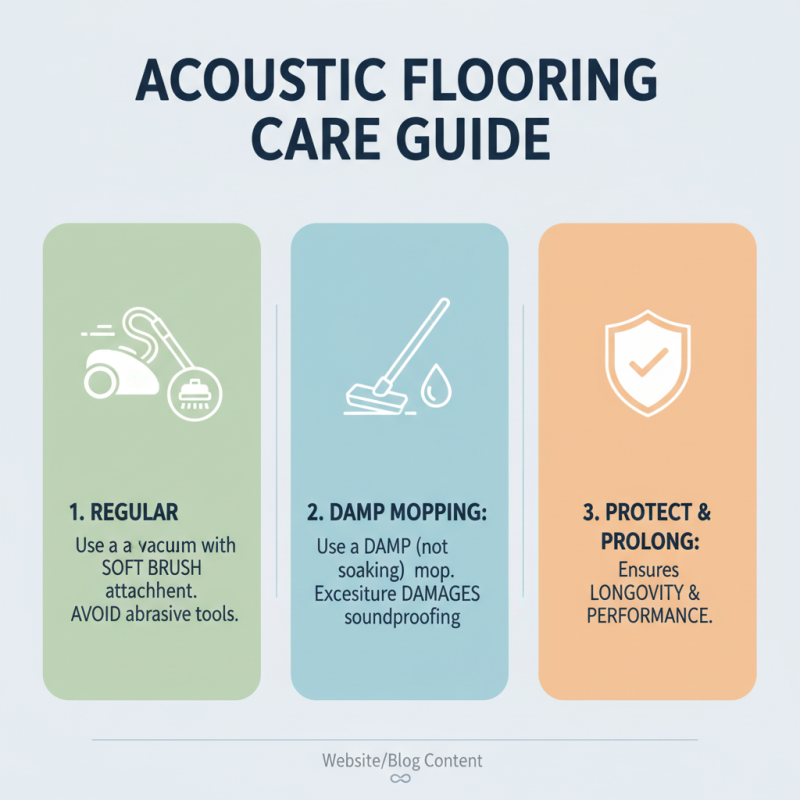
Acoustic flooring requires careful maintenance to ensure its longevity. Regular cleaning is essential. Use a vacuum with a soft brush attachment. Avoid abrasive tools that can scratch surfaces. A damp mop works well, but don’t soak the floor. Excess moisture can damage soundproofing material.
A report from the Flooring Industry Association revealed that neglecting maintenance can reduce the lifespan of acoustic flooring by up to 30%. Sealing and refinishing help preserve the material. It's advisable to check for wear in high-traffic areas. Early detection of damage can prevent costly repairs.
Addressing spills promptly is crucial. Liquids can seep into flooring, compromising its acoustic properties. Generally, it’s wise to follow manufacturer guidelines. However, many people overlook this, leading to unwanted issues. Regular inspections and prompt action can prevent cumulative damage over time.