10 Essential Tips for Choosing the Best Sound Insulation Panels?
When it comes to creating a peaceful environment, choosing the right sound insulation panels is crucial. John Smith, a leading expert in acoustic engineering, emphasizes, "Quality sound insulation is not just about materials; it’s about the right choice for your space." This insight highlights the importance of thoughtful decision-making in selecting sound insulation panels.
Sound insulation panels can transform a noisy area into a calm retreat. However, many overlook essential factors. For example, the thickness and density of the panels can significantly affect their performance. Additionally, not all materials are equally effective in different settings. It's vital to evaluate specific needs and conditions before making a choice.
Choosing sound insulation panels involves more than just aesthetics. It's about function and practicality. You might find a beautiful panel, but if it doesn't suit your space, it’s an unwise investment. Reflecting on personal needs is the key. Achieving the desired acoustic environment requires careful consideration and sometimes, trial and error.
Understanding Sound Insulation: What You Need to Know
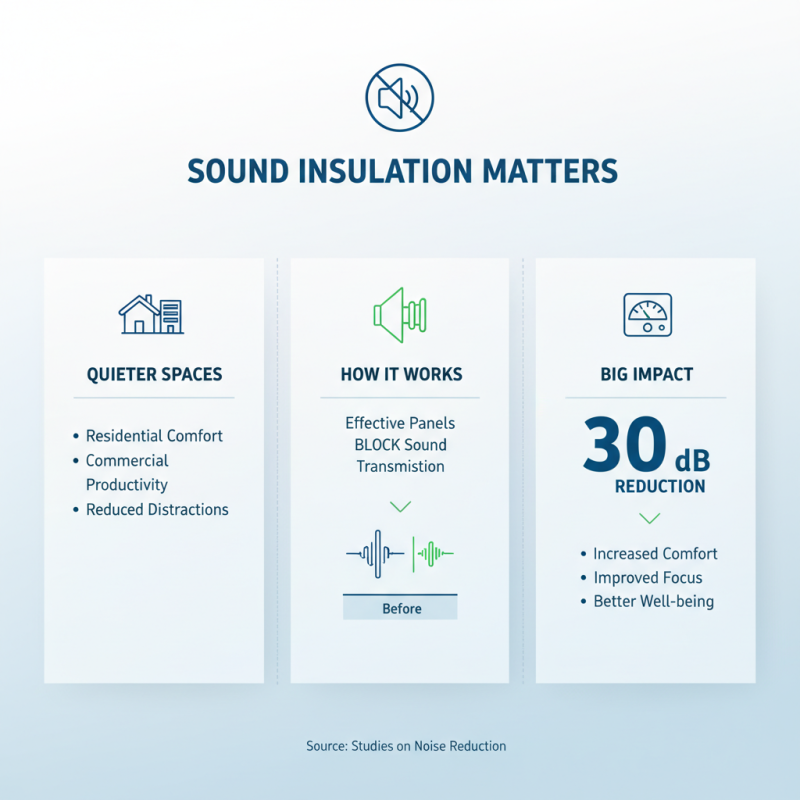
Sound insulation is crucial in both residential and commercial spaces. Effective panels can reduce sound transmission, providing a quieter environment. Studies show that proper soundproofing can decrease noise levels by up to 30 dB. This reduction significantly improves comfort and productivity.
Understanding sound insulation involves knowing how materials interact with sound waves. Density, thickness, and material type all affect performance. For instance, mass-loaded vinyl is effective, but not always practical for individual projects. Some lightweight options may not deliver the expected results. You'll need to evaluate your specific needs carefully.
Many consumers overlook installation techniques. Poorly installed panels can lead to gaps, allowing sound leaks. This can result in frustration and wasted resources. Knowledge is essential as the best materials may not work in all settings. When considering soundproofing options, be prepared for trial and error. Achieving optimal sound insulation often requires experimentation and adjustment.
Types of Sound Insulation Panels and Their Effectiveness
Choosing the right sound insulation panels is crucial for an effective soundproofing solution. Different types cater to various needs. Acoustic foam panels are highly effective for absorbing high-frequency sounds. They work well in studios or home theaters. Another option is mass loaded vinyl (MLV), known for blocking noise transmission. It is dense yet flexible, making it ideal for walls and floors.
When selecting panels, consider their installation. Some require professional assistance. Others are easy to mount yourself. The thickness of the panels matters, too. Thicker panels tend to offer better sound insulation. Evaluate your specific environment. Is it a loud space? Or do you need to keep sound in?
One tip is to test sample panels first. Not all products perform equally. Measurements vary, and materials may not meet your expectations. Check for user reviews and testimonials. Take time to reflect on your sound isolation needs. Analyze how different types fit into your space. Ultimately, understanding each type's effectiveness can lead to better decision-making. It helps to know what you truly need for optimal results.
10 Essential Tips for Choosing the Best Sound Insulation Panels
| Tip Number |
Tip Description |
Panel Type |
Effectiveness |
| 1 |
Consider the thickness of the panels for better sound absorption. |
Foam Panels |
Moderate |
| 2 |
Look for panels with a high Noise Reduction Coefficient (NRC). |
Acoustic Panels |
High |
| 3 |
Choose lightweight options for easy installation. |
Fabric Wrapped Panels |
Moderate |
| 4 |
Evaluate the material to ensure it's environmentally friendly. |
Recycled Panels |
Good |
| 5 |
Check for the panel's versatility in various room settings. |
Wood Panels |
High |
| 6 |
Consult reviews and performance ratings from previous users. |
Mineral Wool Panels |
Excellent |
| 7 |
Ensure panels can be easily cleaned and maintained over time. |
Plastic Panels |
Good |
| 8 |
Select a color and texture that fits your interior design. |
Textured Panels |
Moderate |
| 9 |
Assess cost-effectiveness relative to your insulation needs. |
High-density Panels |
Very High |
| 10 |
Consider professional installation services for optimal results. |
Acoustic Ceiling Tiles |
Excellent |
Key Factors to Consider When Choosing Sound Insulation Panels
When selecting sound insulation panels, several critical factors should guide your decision. First, consider the material composition. Fiberglass and foam panels offer varying degrees of sound absorption. A report by the Acoustical Society of America points out that fiberglass panels can reduce sound transmission by up to 35 dB.
Next, focus on thickness and density. Thicker panels typically provide better insulation. The NRC (Noise Reduction Coefficient) rating is another essential metric, indicating how much sound a panel can absorb. Panels with an NRC of over 0.75 are generally effective for noise reduction. However, be mindful that cost often correlates with these properties. A budget option might not deliver the expected performance.
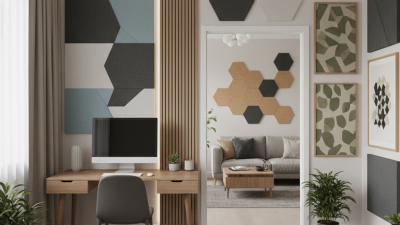
Also, take the installation process into account. Some panels are easier to install than others, impacting overall effectiveness. Improper installation can lead to sound leaks. A lesser-known concern is aesthetics. Sound panels can be visually intrusive if not chosen carefully. Choose colors and designs that blend well with your space. Balancing aesthetics and functionality is often challenging.
Installation Techniques for Optimal Soundproofing Results
When it comes to soundproofing, installation techniques are crucial. Properly positioning your sound insulation panels can greatly enhance their effectiveness. Start by measuring your space accurately. A precise layout will guide you in placing the panels strategically. A common mistake is neglecting corners and ceilings. These areas often let sound escape, diminishing the overall result of your efforts.
Ensure you clean the surface before installation. Dust and debris can prevent the panels from adhering properly. Using a level will help align the panels. This step is vital for a neat appearance. If panels are uneven, they could trap sound rather than absorb it. Don’t rush the installation; taking time can lead to better outcomes.
Consider different methods of attachment, such as adhesive or brackets. Each has its pros and cons. Experimenting may yield unexpected results. After installation, test the sound absorption. You might discover some spots need adjustments. Reflecting on your approach can refine future projects.
Cost Considerations and Budgeting for Sound Insulation Solutions
When planning for sound insulation, budgeting is pivotal. Noise reduction panels can range from $0.50 to $5 per square foot. A professional installation may add another $1 to $3 per square foot. This means costs can accumulate fast, especially in larger spaces. Allocate funds wisely to ensure effective solutions.
Investing in quality sound insulation can save money in the long run. A study shows that up to 70% of noise issues stem from poor materials. It’s crucial to assess the acoustic performance per dollar spent. Sometimes lower-cost materials may not perform as promised. Misjudging material effectiveness can lead to overspending on additional solutions later.
Consider potential hidden costs. Installation challenges may require more labor hours. Some panels need specific adhesives or mounts, which can increase expenses. Effective sound insulation isn't just about the purchase price. Ultimately, a detailed cost analysis is essential for making informed decisions. Prioritize essential features that truly deliver soundproofing benefits.