Why Are Sound Insulation Panels Essential for Noise Reduction?
Noise pollution is a growing concern in urban environments. Studies indicate that exposure to excessive noise can lead to various health issues. According to the World Health Organization, over 1 billion people are affected by noise-induced hearing loss. Sound insulation panels are essential for addressing this problem.
These panels play a crucial role in reducing unwanted sound transmission. They are commonly used in walls, ceilings, and floors. A report from the National Institute of Health highlights that effective sound insulation can reduce noise levels by up to 45 decibels. With urbanization increasing, the demand for sound insulation panels is rising.
However, relying solely on these materials may not be enough. Poor installation or inadequate panel selection can lead to diminished effectiveness. It is vital for professionals to evaluate specific environments. This ensures that the right type of sound insulation panels are utilized. Proactive measures must be taken to achieve optimal noise reduction.

The Importance of Sound Insulation Panels in Modern Architecture
In modern architecture, sound insulation panels play a critical role. These panels help reduce noise pollution, creating peaceful environments. Offices, homes, and public spaces benefit immensely from proper soundproofing. Without these materials, unwanted noise can disrupt daily activities.
Designers often overlook sound insulation. Many focus solely on aesthetics. However, the effects of noise can be detrimental. In busy urban areas, the cacophony can cause stress and reduce focus. Sound panels absorb and deflect sound waves, enhancing comfort. They can be visually appealing, blending with the overall design.
Choosing the right materials can be tricky. Not all panels provide equal sound insulation. Some may even amplify noise if incorrectly installed. Spaces may require specific types of panels for maximum effectiveness. Careful consideration is essential for achieving the desired acoustic environment. The impact of this choice can be profound, influencing both productivity and well-being.
Understanding Noise Pollution and Its Effects on Health and Well-being
Noise pollution is a pervasive problem that affects health and well-being. Studies show that exposure to excessive noise can lead to sleep disturbances, cardiovascular issues, and increased stress levels. The World Health Organization reports that around 40% of the population in urban areas is exposed to noise levels that can be harmful.
What can we do about it? One effective solution is the use of sound insulation panels. These panels absorb sound waves, preventing them from bouncing around a space. By installing them in homes, offices, or studios, we can create quieter environments. This leads to better focus and improved quality of life.
Tip: Consider where you spend the most time. Areas like bedrooms and workspaces benefit greatly from sound insulation. Evaluating the noise levels in these spaces can guide effective improvements.
Another point to consider is not all products work the same. The materials and design of sound panels vary widely. It's essential to choose the right type for your specific needs. Researching and seeking advice can help maximize effectiveness.
Tip: Don’t hesitate to reach out to experts. Getting proper advice can save time and money in the long run. Whether for personal or professional spaces, a quiet environment is crucial for maintaining health and happiness.
Types of Sound Insulation Panels and Their Effective Application
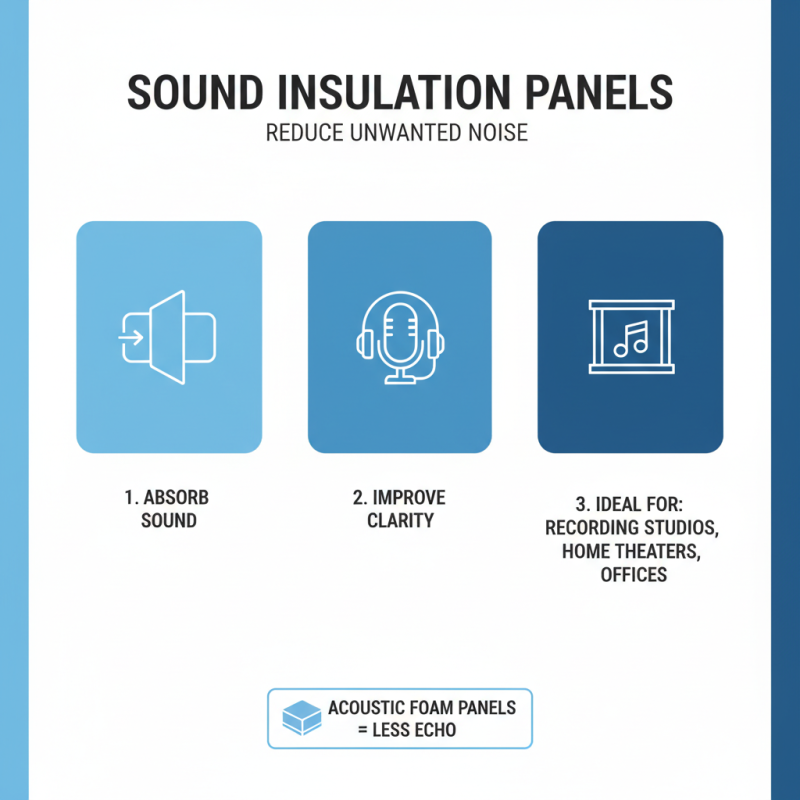
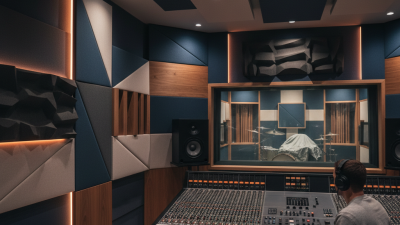
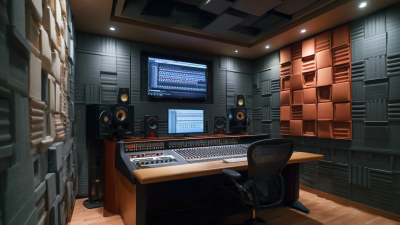
Sound insulation panels play a vital role in reducing unwanted noise in various environments. These panels come in different types, each suited for specific applications. Acoustic foam panels are common in recording studios. They absorb sound waves and minimize echo. They help create a clear sound environment, which is essential for musicians and podcasters.
Another type is mass-loaded vinyl panels. These panels are denser and serve as barriers to block sound transmission. They are effective in commercial buildings and residential areas where noise control is critical. Their installation can be a bit tricky. Adequate sealing is necessary to avoid leaks where sound can sneak through.
Additionally, there are fiberglass panels that can be customized to fit various spaces. They can be painted or covered with fabric, making them visually appealing. However, choosing the right panel can be challenging. It requires careful consideration of the specific noise issues and the room's acoustics. Not all panels work well in every setting. It’s important to evaluate their effectiveness based on your unique needs.
How Sound Insulation Panels Work to Reduce Noise Transfer
Sound insulation panels play a crucial role in reducing noise transfer. These panels can effectively absorb sound waves, preventing them from traveling through walls and ceilings. Made from various materials, they are designed to create a barrier against unwanted noise. Acoustic foam, for instance, is popular for its lightweight and effective sound absorption properties.
When sound waves hit these panels, a portion of the energy gets absorbed. This process reduces echo and background noise in a room. The level of insulation depends on the thickness and density of the panels. A thicker panel often provides better soundproofing. However, not every panel works for every space. Sometimes, they may not fully block low-frequency sounds, causing frustration for users.
Incorporating these panels requires thoughtful placement. They should be installed in areas where sound reflects the most. Many individuals overlook corners and ceilings, which can also carry noise. The installation process can be challenging. If done incorrectly, the panels might not perform as intended. Reflecting on these details can help enhance overall noise reduction effectiveness.
Choosing the Right Sound Insulation Panels for Your Needs
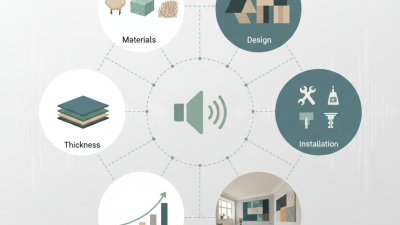
When choosing sound insulation panels, understanding your specific needs is crucial. Studies indicate that proper soundproofing can reduce noise levels by up to 90%. This reduction can drastically improve comfort in both residential and commercial spaces. You want to consider the material types, which can range from foam to dense fiberboard. Each type has unique properties that affect its acoustic performance.
Thickness and installation method also play significant roles. Thicker panels often provide better sound absorption. According to the Acoustical Society of America, a panel that's at least 2 inches thick can outperform thinner alternatives. However, installation can be tricky. Many users report challenges in achieving the desired effectiveness due to improper placement.
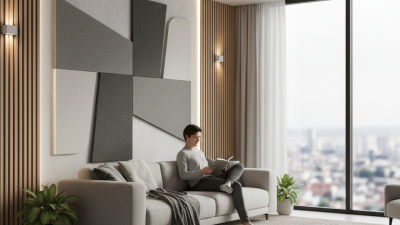
You might prefer panels that fit seamlessly with your décor. That adds a layer of aesthetic value. Some people overlook this aspect and end up with unattractive, bulky solutions. Others fail to account for room shape, which can influence sound distribution. Each choice affects your noise control outcome. It's essential to balance functionality with style and practicality.