Top 10 Effective Noise Insulation Methods for a Quieter Home?
Noise can be a significant problem in many homes. It disrupts peace and affects our quality of life. Noise insulation is essential for creating a serene living space. It helps muffle sounds from outside and between rooms.
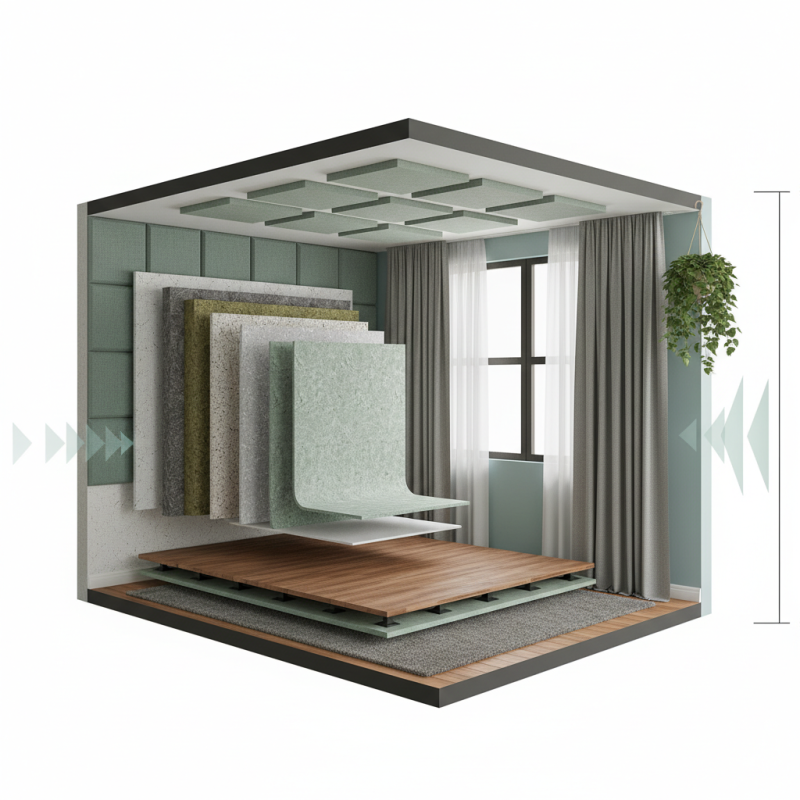
Effective noise insulation methods vary in their approach. Some focus on materials, while others emphasize construction techniques. From heavy curtains to soundproof drywall, each method offers unique benefits. For instance, adding mass to walls can significantly reduce sound transmission.
However, perfect noise insulation remains elusive. Some methods may not completely eliminate all sounds. Homeowners often need to experiment to find the right combination. Understanding the strengths and weaknesses of each approach is crucial. This guide aims to explore the top ten noise insulation methods for a quieter home.
Understanding the Importance of Noise Insulation in Homes
In modern homes, noise insulation is often overlooked. Yet, it plays a pivotal role in ensuring comfort and tranquility. Excess noise can disrupt daily routines and affect mental well-being. High levels of noise may lead to stress and fatigue, diminishing quality of life. People often underestimate how sound travels through walls, floors, and windows.
Different materials can absorb sound. For instance, thick carpets and heavy curtains can significantly reduce echoes and noise transmission. Insulation foam, when applied in the right places, minimizes sound leaks effectively. However, many homeowners may neglect these options, focusing solely on aesthetics or cost. This can lead to regret later as noisy environments create distractions.
Understanding your own space is crucial. Every home has unique acoustic properties. What works for one room may not work for another. Identifying the noise sources is a step many miss. If neighbors play loud music, soundproofing measures are crucial. Experiment and reflect on what creates peace in your living environment. Making informed choices can rewrite your home experience in profound ways.
Common Sources of Noise Pollution in Residential Areas
Residential areas often face significant noise pollution. Many common sources can disrupt daily life. Traffic sounds from nearby roads create a constant hum. Sirens from emergency vehicles can startle and disturb. Construction activities can go on for hours, making it hard to concentrate.
Neighbors also contribute to noise levels. Loud music or bickering can invade your peace. Barking dogs can add to the chaos. Even children playing can become a source of annoyance. Each of these sounds can affect the tranquility of a home. Some may argue that these sounds are just part of life. Yet, too much noise can lead to stress and frustration.
Finding quiet moments may seem challenging. Many people end up adapting to these disturbances. Others may choose to invest in noise-reducing solutions. Soundproofing techniques, like heavy curtains or weatherstripping, can help. Despite these methods, achieving a completely quiet home remains a work in progress for many.
Top Materials for Effective Noise Insulation
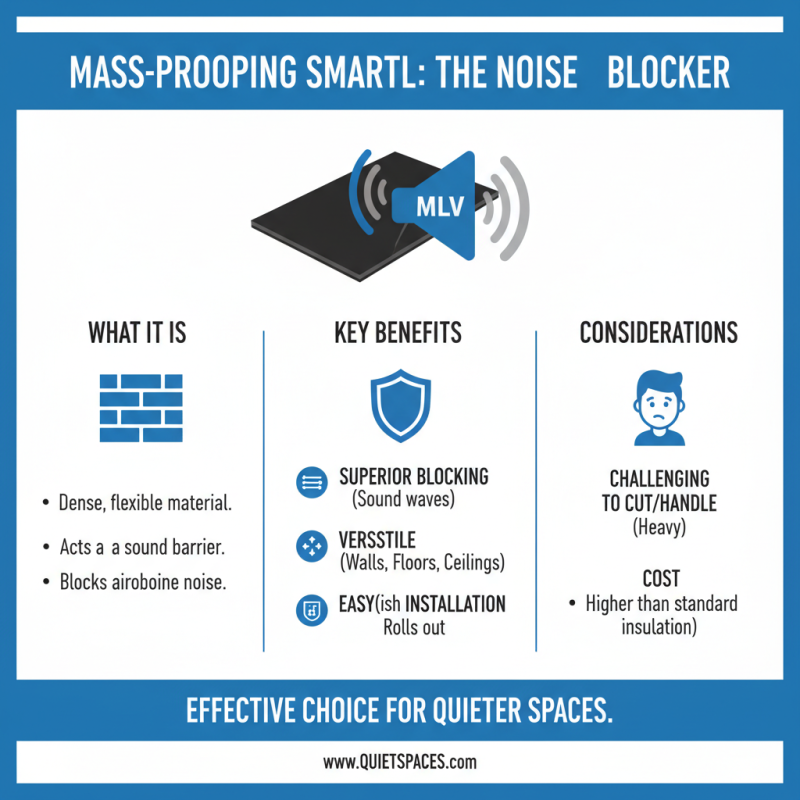
When it comes to noise insulation, the choice of materials can significantly impact the effectiveness. One popular option is mass loaded vinyl. This dense material can block sound better than typical wall materials. It’s relatively easy to install and can be applied to walls, floors, or ceilings. Many homeowners appreciate its versatility, but some find it challenging to work with.
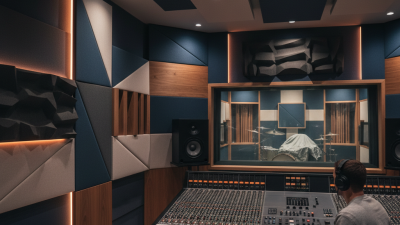
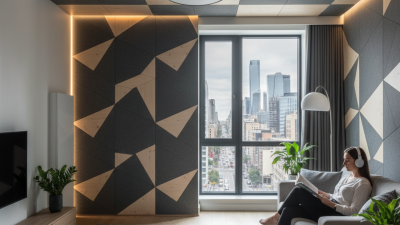
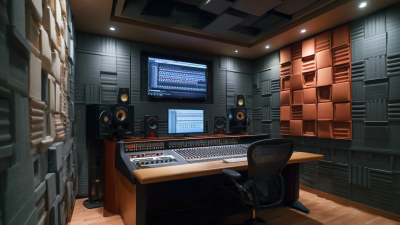
Acoustic panels are also effective. They come in various shapes and sizes, making them suitable for different spaces. These panels absorb sound rather than block it, which can lead to a more serene environment. However, not all panels offer the same level of sound absorption. Researching the right type might be necessary, as some may not meet specific needs.
Fiberglass insulation is another good choice. It’s often used in walls and attics. This material is excellent for reducing sound transmission, but installation can pose challenges. Some may struggle with insulation thickness or gaps that let sound in. It's important to double-check installations for optimal soundproofing. Each method has pros and cons that deserve thoughtful consideration.
Step-by-Step Guide to Insulating Walls and Ceilings
Insulating walls and ceilings is essential for a quieter home. Start with assessing your current insulation. Check for any gaps or weak areas. This is often where noise leaks in. Identifying these spots can save you time and materials down the line.
Once you've mapped out the problem areas, choose your insulation material. Fiberglass batts and soundproofing panels are popular. Consider your budget and the level of soundproofing you need. Each option has its benefits and downsides. For instance, fiberglass is effective but can be tricky to install.
When installing, wear protective gear. This will keep you safe from dust and irritation. Use a utility knife to cut materials to size. Fit the insulation snugly between wall studs or ceiling joists. It’s important to leave no gaps. Every small space can compromise your efforts. Lastly, sealing any cracks with caulk can enhance performance. This extra step is often overlooked but can be crucial. Don't rush this part; it matters.
Top 10 Effective Noise Insulation Methods for a Quieter Home
| Method |
Effectiveness (1-10) |
Ease of Installation (1-10) |
Cost (per sq. ft.) |
| Acoustic Panels |
9 |
6 |
$2.00 |
| Insulated Drywall |
8 |
5 |
$1.50 |
| Soundproofing Mats |
8 |
7 |
$1.80 |
| Window Inserts |
9 |
4 |
$5.00 |
| Weatherstripping |
6 |
8 |
$0.50 |
| Soundproofing Spray Foam |
7 |
4 |
$3.00 |
| Carpet and Underlay |
7 |
6 |
$2.50 |
| Wall Hangings |
5 |
9 |
$0.75 |
| Mass Loaded Vinyl |
9 |
5 |
$2.50 |
| Ceiling Tiles |
8 |
6 |
$3.50 |
DIY Techniques for Soundproofing Doors and Windows
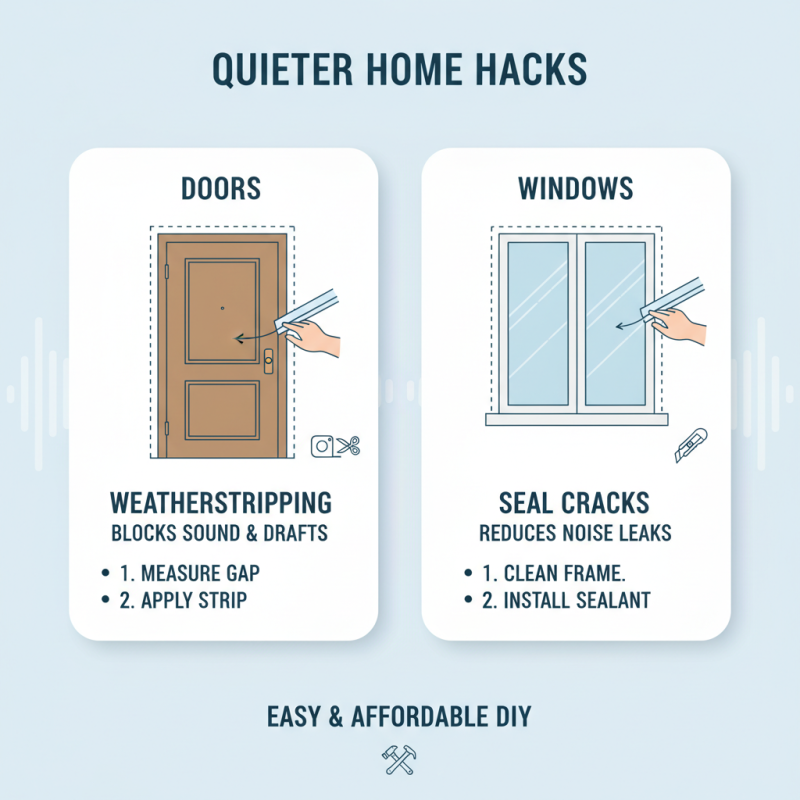
When it comes to soundproofing your home, doors and windows are often the weakest points. DIY techniques can be both effective and affordable. Start with weather stripping. Adding weather stripping around doors can block sound and drafts. This simple task is easy to accomplish with just a few tools. Remember to measure carefully to ensure a snug fit.
For windows, consider acoustic caulk. This product can seal gaps and reduce noise. Applying it meticulously along the edges makes a noticeable difference. Heavy curtains can also help. These should be thick and long enough to cover the entire window. While they add style, they also absorb sound. However, they might not block all unwanted noise.
Another idea is to add a door sweep. This simple addition can close the gap between the floor and a door. It often goes unnoticed but plays a crucial role in noise reduction. Reflecting on these methods, one might realize that creating a quieter home requires effort. Experiment with different techniques to see what works best in your unique space. Adjustments might be necessary; not every method will suit every home. The pursuit of tranquility can lead to unexpected challenges.