
+1 877-337-9312 | sale@sflbuild.com

Blog

What is a CNC Turning Center and How Does It Work?

A CNC Turning Center is a vital tool in modern manufacturing. It combines multiple functions into one machine, allowing for efficient production of intricate parts. This technology has transformed industries by enhancing precision and minimizing human error.

The CNC Turning Center operates by rotating the workpiece against a cutting tool. This method allows for the creation of complex shapes, including cylindrical and conical parts. The automated process reduces time and increases output, making it ideal for mass production.

However, there are challenges. The initial investment and maintenance costs can be high. Understanding software compatibility is crucial. Operators need training to maximize efficiency and ensure quality. Despite these concerns, the potential for innovation with CNC Turning Centers is impressive. They remain a cornerstone in manufacturing, pushing boundaries every day.
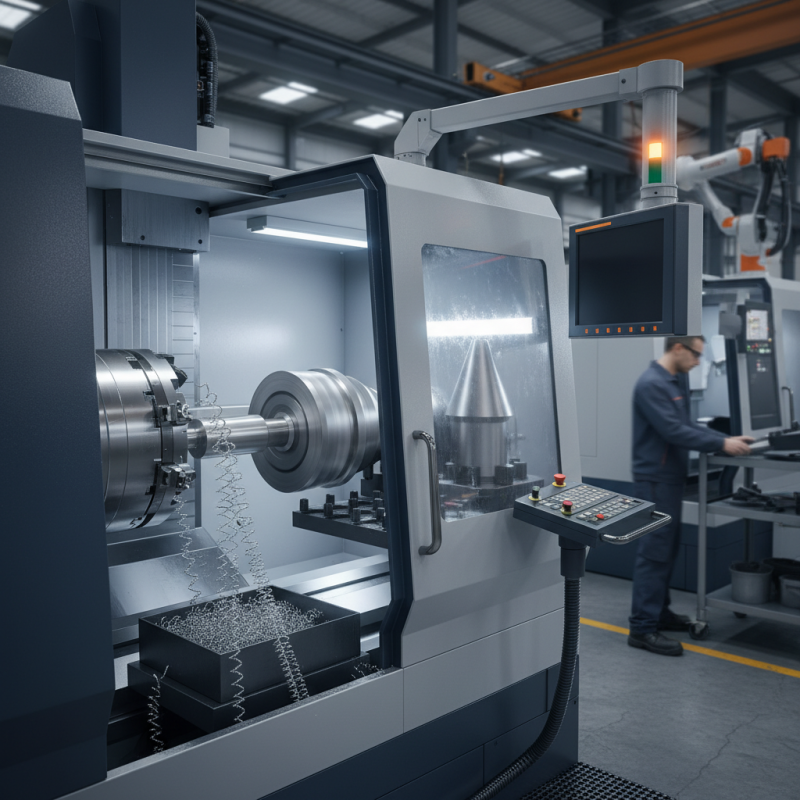
What is a CNC Turning Center and How Does It Work?

What is a CNC Turning Center? Definition and Overview of Functionality

A CNC turning center is a versatile machine for transforming metal and other materials. It uses computer numerical control to guide tools for precise shaping. The process involves rotating the material against fixed tools, allowing intricate designs. This method is essential in manufacturing parts like shafts and fittings.

The functionality of a CNC turning center is broad. It can execute varied operations, such as tapping and drilling. The integration of automation enhances productivity. However, it requires skilled operators for programming and setup. A mistake can lead to wasted materials and inefficient production.

Tips: Always double-check your program before running the machine. Small errors can lead to big problems. Regular maintenance ensures the machine stays in top shape. Keeping track of tool wear is vital. This helps maintain quality.

Key Components of a CNC Turning Center: Insights into Machinery Design

CNC turning centers are intricate machines that shape materials into precise designs. Understanding their key components can enhance their efficient use. The main parts include the spindle, tool holder, and control system. The spindle rotates the workpiece, while the tool holder supports various cutting tools for shaping. The control system operates the entire machine, ensuring accuracy and consistency.

Tip: Regularly check the sharpness of cutting tools. Dull tools can compromise precision and increase project times. Small adjustments can lead to better outcomes.

Another essential aspect is the bed of the turning center. It provides stability during operation, which is crucial for achieving high-quality results. Some operators overlook the importance of maintaining the bed. Dust and debris can diminish its effectiveness. Regular cleaning can prevent this issue.

Tip: Schedule periodic maintenance checks. It helps identify wear and tear before they cause significant problems. Keeping the machinery in top condition can save time in the long run.

In conclusion, understanding the layout and care for a CNC turning center is vital. Awareness of these components can elevate your machining projects. There are always opportunities for improvement, so reflect on your practices frequently.

How CNC Turning Centers Operate: Step-by-Step Process Explained

CNC turning centers are fascinating machines that automate the process of shaping metal and other materials. At their core, they use rotary tools and a computer numerical control system. This allows for precision machining that is difficult to achieve manually. The process begins with loading a workpiece onto the machine. Operators must ensure that the material is secure before the turning begins.

Once the machine is set up, the CNC program dictates the movements. The rotating spindle spins the workpiece while cutting tools remove material. Operators must regularly check the progress to avoid errors. Sometimes, adjustments are necessary to refine the final product. The attention to detail is crucial during this step. A small mistake may lead to significant setbacks.

After the turning is complete, the workpiece goes through various stages like inspection and finishing. Operators analyze the part for any flaws. This might be a tedious process, but it's essential. There's always room for improvement in the setup and execution. Understanding the CNC turning process helps operators optimize efficiency and output quality. However, they must remain vigilant to ensure the machine operates smoothly throughout the entire procedure.

Applications of CNC Turning Centers in Modern Manufacturing Industries

CNC turning centers play a pivotal role in modern manufacturing. These machines efficiently create precise parts from various materials. Industries like aerospace and automotive rely heavily on CNC turning centers. According to a recent report by Market Research Future, the CNC turning market is expected to exceed $6 billion by 2025. This growth reflects the increasing demand for high-precision components.

In automotive production, CNC turning centers are used to manufacture intricate components such as gears and shafts. These parts require tight tolerances and high repeatability. Aerospace also benefits, as lightweight and durable components are critical. Reports indicate that around 30% of aerospace parts utilize CNC machining processes. This statistic highlights the reliance of industries on these versatile machines.

Tips: Always maintain the machine to prevent downtime. Regular checks can save time and costs. Training operators effectively is crucial for maximizing output. Remember, even the best machines need skilled hands to operate. Fine-tuning processes can significantly impact production efficiency and quality. Keep an eye on evolving technologies; they can enhance capabilities.

Applications of CNC Turning Centers in Modern Manufacturing Industries

Benefits of Using CNC Turning Centers: Efficiency and Precision Metrics

CNC turning centers revolutionize manufacturing by offering high efficiency and precision. They automate the turning process, allowing for consistent production of various components. These machines can handle complex shapes and intricate designs with ease. The precision achieved is remarkable. Parts are produced to exact specifications, reducing the need for rework.

Efficiency metrics improve significantly with CNC turning centers. They can operate continuously, maximizing output while maintaining quality. The setup time is often reduced. Programmers can quickly adjust parameters for different projects. This adaptability can be a double-edged sword, though; constant changes may lead to errors if not carefully managed.

Moreover, the integration of advanced technology can sometimes overwhelm operators. Understanding the software and machine operation requires training. Regular maintenance is essential too. Without it, even the best turning centers can fall short. Balancing efficiency with knowledgeable operation is crucial for optimal performance.

What is a CNC Turning Center and How Does It Work? - Benefits of Using CNC Turning Centers: Efficiency and Precision Metrics

Feature Metric Value Benefit
Spindle Speed RPM 2000 - 6000 Increased productivity
Tool Change Time Seconds 1 - 3 Reduced downtime
Precision Tolerance ±0.01 mm High-quality finishes
Axis Configuration Type 2-axis, 3-axis Versatility in operations
Material Processing Types Metals, Plastics Wide application range