How to Choose the Best Plastic Rotational Mould for Your Needs?
Choosing the best plastic rotational mould is crucial for your projects. Whether you're in manufacturing or design, the right mould can impact quality and efficiency. Many factors come into play when selecting a plastic rotational mould. Each aspect can significantly affect the end product, from material to design considerations.
When evaluating options, consider your specific needs. Not every mould design will suit every project. Think about the type of plastic, and the complexity of the shapes required. A poorly chosen mould can lead to inefficiencies and increased costs. Sometimes, producers overlook the importance of customisation, which can be vital for unique applications.
Expertise in plastic rotational moulding can make a difference. Look for a supplier with a solid reputation and industry experience. Their knowledge can guide you to the best choices. Accessibility to high-quality examples can illustrate what works well. Vendors that are willing to share their successes and challenges can inspire confidence in your decision. Always remember, reflection on past experiences will enhance your decision-making process.
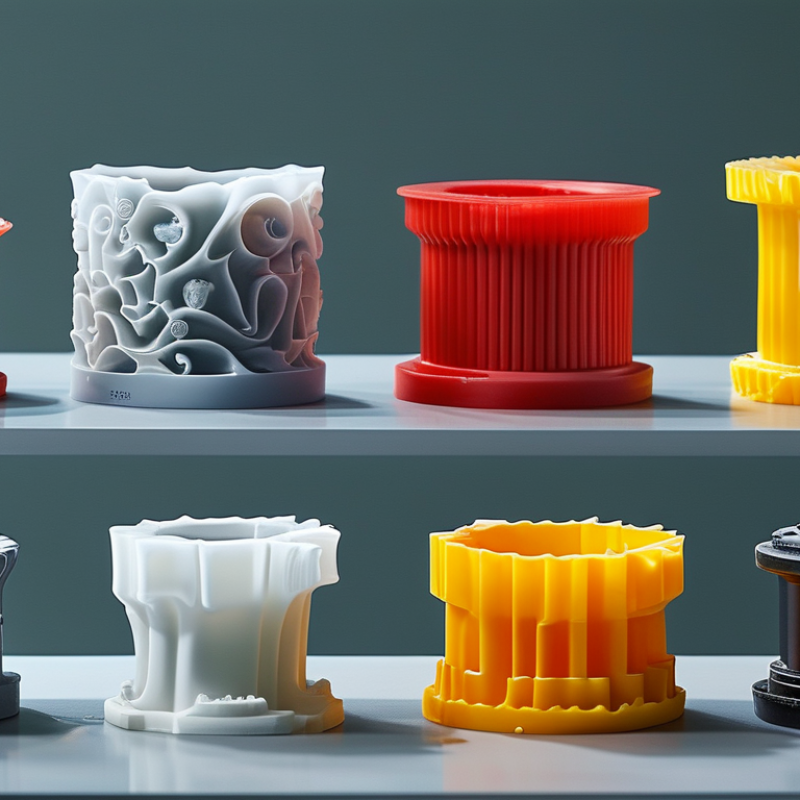
Identifying Your Specific Rotational Moulding Requirements
When choosing a plastic rotational mould, understanding your specific requirements is crucial. Different projects call for various attributes. Consider the material properties. Are you looking for durability, flexibility, or lightweight options? Knowing this guides your selection effectively.
Size is another important aspect. Measure the dimensions of your products carefully. A mould that’s too large or small can cause production delays. Be mindful of the design complexity as well. More intricate shapes may require advanced moulding techniques. Evaluate your current capabilities and consider where improvements are needed.
Don’t forget to assess your production volume. High volume may justify a custom mould, while low demand might make stock options more suitable. Every decision influences your overall production quality and costs. Think critically about the implications of each choice.
Evaluating Material Options for Plastic Rotational Moulds
Choosing the right material for plastic rotational moulds is crucial. Various materials offer distinct advantages, impacting the final product's quality. Data from industry reports show that polyethylene (PE) remains the most popular choice due to its durability and cost-effectiveness, representing around 60% of the market share. However, polyvinyl chloride (PVC) is also gaining traction for its flexibility. Understanding these material properties can influence decision-making.
Sample of PE and PVC materials
When evaluating materials, consider the specific requirements of your project. For example, if your product requires impact resistance, high-density polyethylene (HDPE) may be the best option. Not all materials perform well under extreme conditions. Testing small samples can save considerable time and costs in the long run.
Tips: Prioritize environmental impact in your material selection. Eco-friendly options are increasingly available. Also, factor in production speed. Some materials require longer cycle times, which may affect your project's timeline. Regularly reviewing advancements in material science may provide new, better alternatives. Be prepared to adapt your choices as technology evolves and customer requirements change.
Assessing the Design and Complexity of Your Moulding Project
When assessing the design and complexity of your moulding project, start with a clear vision. Define the product's purpose and the materials that will be used. Complexity can arise from intricate shapes or varying thicknesses. Understanding these factors helps determine the best mould type.
Evaluate the design details carefully. Sometimes, a complex design may require multiple parts to achieve the desired outcome. This can increase production time and costs. It's essential to weigh the benefits and challenges. Engaging with a skilled designer or engineer can provide valuable insights. Their experience often reveals potential flaws in the initial concept.
Mould design also involves considerations for production efficiency. Aim for simplicity where possible. A straightforward design can minimize risks and reduce costs. However, don’t shy away from complexity if it adds value to your product. The key lies in balancing aesthetic appeal with practical functionality. Consider how each decision impacts the overall project outcome.
Understanding Manufacturing Processes and Techniques in Rotational Moulding
Rotational moulding is a widely used process in the plastics industry. It allows for the creation of hollow, seamless components. This technique involves the heating of plastic resin in a rotating mould. As the mould spins, the resin coats the interior surface, eventually solidifying into the desired shape. According to a report by Smithers Pira, the global rotational moulding market is expected to grow at a CAGR of 4.5% from 2021 to 2026. Such data emphasizes its significance in manufacturing.
Understanding the intricacies of this process is vital for selecting the best mould. Various factors play a role in this decision. Mould material, typically aluminum or steel, influences durability and cost. Furthermore, heat distribution affects the quality of the finish and consistency of the product. A study published by the American Society of Mechanical Engineers points out that effective heat transfer is crucial to prevent defects such as warping and shrinkage.
However, imperfections in the manufacturing process can lead to challenges. For instance, the mould's design may need adjustments due to temperature changes or resin properties. Manufacturers often report issues with achieving uniform wall thickness. Research shows that up to 30% of produced items may not meet quality standards due to these complications. Therefore, continuous evaluation of techniques and processes is essential for improvement and ensuring optimal output.
How to Choose the Best Plastic Rotational Mould for Your Needs?
| Mould Material | Durability | Weight | Cost | Applications |
| Aluminum | High | Medium | Moderate | Consumer Products |
| Stainless Steel | Very High | Heavy | High | Industrial Applications |
| Fabricated Steel | Medium | Heavy | Moderate | Large Tanks |
| Polymer | Medium | Lightweight | Low | Toys and Containers |
| Concrete | Very High | Very Heavy | High | Architectural Elements |
Researching and Selecting the Right Suppliers and Manufacturers
When selecting suppliers and manufacturers for plastic rotational moulding, focus on their expertise and experience. Research potential companies using various online resources. Look for reviews and testimonials from previous clients. This will give you a better understanding of their capabilities and reliability.
Tips: Check the company's history in the industry. A well-established supplier often has a proven track record. Don't shy away from asking for references. Reliable manufacturers should willingly provide this information.
Another crucial factor is communication. How responsive are they to your inquiries? Timely communication reflects professionalism. You want a partner who values your needs and addresses concerns promptly. Sometimes, initial contact may reveal a lot about their operational ethos.
Tips: Evaluate their customer service. A willingness to assist should be a priority. Poor communication can lead to misunderstandings later on. Take your time to find the right fit. Your choice will significantly influence your project's success.
Plastic Rotational Mould Selection Criteria