How to Choose the Best Electric Impact Driver for Your Needs?
Choosing the right Electric Impact Driver can significantly enhance your DIY and professional projects. According to James Miller, a renowned power tool expert, “The right impact driver is a game-changer for efficiency and precision.” His words underscore the importance of making an informed choice.
When exploring Electric Impact Drivers, consider factors like power, weight, and battery life. Each driver has unique features to fit various tasks. Some are lightweight, perfect for overhead work, while others provide more torque for tougher jobs. Users often underestimate the importance of grip and comfort. A well-designed handle can reduce fatigue during prolonged use.
Not all Electric Impact Drivers are created equal. Professionals often find themselves drawn to specific brands, while enthusiasts may wander into less reliable options. Conducting thorough research on user reviews can reveal hidden strengths or weaknesses of different models. Selecting the right driver involves balancing personal needs and the project requirements. There is no perfect choice, but with careful consideration, one can find a suitable tool.
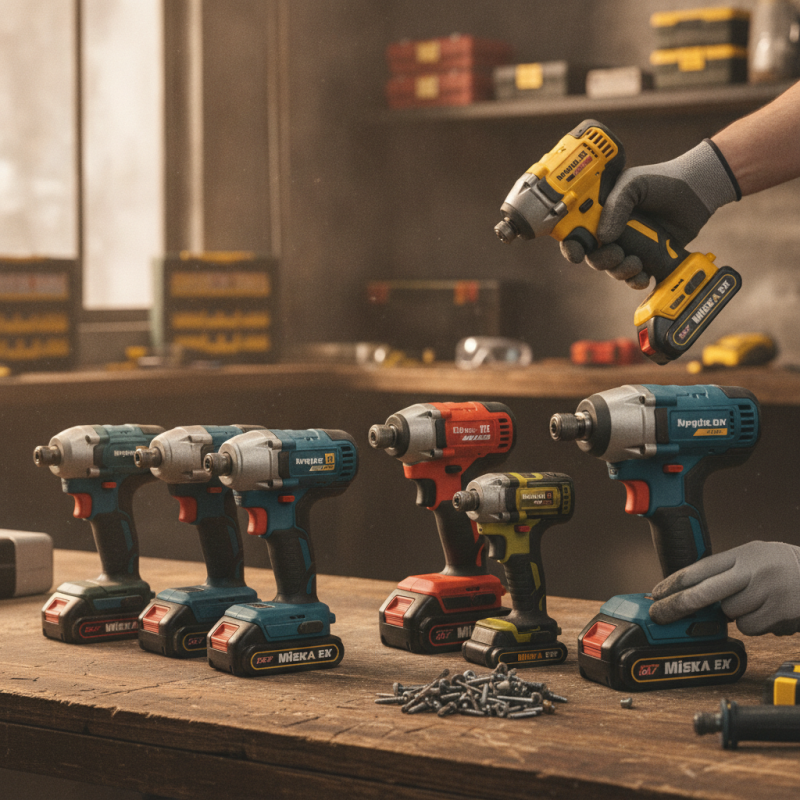
Understanding the Basics of Electric Impact Drivers
When exploring electric impact drivers, understanding the basics is crucial. These tools deliver powerful torque for driving screws and bolts efficiently. Unlike standard drills, they use rotational force and concussive blows to drive fasteners deeply and quickly. This makes them ideal for heavy-duty tasks, especially in woodworking and metalworking.
Consider the size and weight of the impact driver. A lightweight model is easier to handle for extended periods, but ensure it still delivers adequate power. Battery life also plays a significant role. A longer battery life means less downtime during projects. Assess the torque ratings, as this will impact the driver's effectiveness in various materials.
Tips: Always use the correct size bit for your screws. This helps prevent stripping and damage. Remember to check the battery level before starting your work. A dead battery can lead to frustration and interruptions. As you gain experience, you'll learn to recognize the signs of over-torquing fasteners, which can help improve your overall craftsmanship.
Key Features to Consider When Choosing an Electric Impact Driver
When selecting an electric impact driver, consider several key features that will meet your needs. One critical aspect is torque. A higher torque rating allows for easier fastening and loosening of stubborn screws. Typically, ranges from 1000 to 3000 in-lbs are common. Pay attention to this feature, especially for heavy-duty tasks.
Battery life is another essential factor. A longer-lasting battery means fewer interruptions while working. Look for models that offer quick charging options. A fast charge can significantly reduce downtime. Keep in mind, prolonged use can drain batteries faster. So, assess your typical work applications.
Tips: Weigh your specific requirements carefully. A lightweight model is ideal for overhead tasks. Think about how often you'll use the impact driver. If it's a rare necessity, a mid-range option may suffice. Don't overlook user reviews online; they can reveal potential downsides.
Noise levels can also impact your experience. Some devices operate quietly, while others emit significant noise. If you're working in noise-sensitive areas, this is worth considering. Some users overlook this aspect but find it annoying during extended use. Always balance power with comfort when making your choice.
Comparing Power and Performance: Voltage and Torque Ratings
When selecting an electric impact driver, understanding voltage and torque ratings is crucial. Voltage affects how much power the tool can deliver. Higher voltage often translates to better performance, especially in demanding tasks. Many users overlook this aspect. A tool with inadequate voltage may struggle with tougher jobs.
Torque ratings indicate the rotational force the driver can exert. Higher torque means the ability to drive screws into harder materials more efficiently. For instance, a driver with 1500 inch-pounds of torque can easily handle stubborn screws or lag bolts. However, some users may underestimate torque requirements for particular projects, leading to frustration.
Consider your typical projects carefully. If you mainly work with light materials, a lower voltage tool might suffice. But it’s wise to choose a driver that offers versatility. The balance between voltage and torque is vital. A lack of understanding here can lead to poor performance and eventual dissatisfaction. Always reflect on your needs and how the specifications align with your tasks.
Comparison of Electric Impact Drivers: Voltage vs. Torque Ratings
This chart compares the voltage and torque ratings of various electric impact drivers, helping you to understand how these factors contribute to their overall power and performance.
Evaluating Battery Life and Charging Options
When choosing an electric impact driver, battery life is crucial. A strong battery allows for extended use without interruption. Look for options with lithium-ion batteries. They typically offer better performance and longevity compared to older technologies. A driver that can run longer on a single charge enhances productivity, especially during long tasks.
Charging options also matter. Fast charging features are convenient. They minimize downtime, allowing you to get back to work quickly. Some impact drivers provide various charging methods, such as USB or standard wall outlets. Consider how these options align with your workspace. It’s important to gauge your habits and needs realistically. For frequent use, investing in additional batteries may be wise.
Remember, battery life can be affected by different factors. Heavy usage or extreme temperatures can reduce performance. Regular maintenance, such as cleaning contact points, will help prolong battery life. Make sure to reflect on your working environment and how it impacts your tools. Evaluating all these aspects is essential for successful projects.
Assessing Ergonomics and Design for Comfort and Usability
When selecting an electric impact driver, comfort and usability are key factors. Ergonomics play a crucial role in determining how effectively a user can operate the tool, especially during prolonged use. According to a report by the National Institute for Occupational Safety and Health, improper tool design can lead to repetitive strain injuries. This means that a comfortable grip and well-distributed weight in a driver are essential to minimize the risk of injury.
Choosing a model with a rubberized grip can enhance comfort significantly. A study from the Home Improvement Research Institute reveals that 40% of users report less hand fatigue when using tools designed with ergonomic features. Compact designs also allow for better maneuverability in tight spaces. Users may overlook this, but the size and shape can affect access to screws and fasteners in cramped environments.
Another aspect to consider is the weight of the impact driver. Lighter models are generally easier to handle, especially for extended periods. However, there is a balance to strike; too light might mean a lack of power. This can create frustration in tougher jobs. Reflecting on personal experiences, many find that testing different models before committing can yield insights into what suits individual needs best, especially when considering ergonomics and design.
How to Choose the Best Electric Impact Driver for Your Needs?
| Feature | Importance Level (1-5) | Description |
| Weight | 4 | A lighter model is typically easier to handle during extended use. |
| Grip Comfort | 5 | Ergonomic design reduces hand fatigue and increases control. |
| Torque Settings | 5 | Adjustable torque settings allow for precision work. |
| Battery Life | 4 | Longer battery life ensures less downtime during projects. |
| Weight Distribution | 3 | Well-distributed weight can enhance balance and ease of use. |
| Noise Level | 3 | Quieter models can improve user experience and reduce fatigue. |
| LED Lighting | 4 | Integrated lighting helps illuminate work areas in low-light conditions. |
| Durability | 5 | Rugged designs can withstand tough working conditions and extend the tool's life. |