How to Choose the Best Cosmetic Powder Grinder for Your Needs?
In the rapidly evolving beauty industry, the demand for high-quality cosmetic products is paramount. Consumers seek products that not only perform well but are also safe and effective. An essential tool in achieving this goal is the Cosmetic Powder Grinder. According to a recent industry report by Markets and Markets, the global market for cosmetic grinders is projected to grow significantly, driven by rising cosmetic consumption and innovation in formulations.
Expert Anna Lee, a prominent figure in the cosmetic manufacturing sector, emphasizes the importance of selecting the right equipment: "The right Cosmetic Powder Grinder can significantly impact product quality and consistency." This highlights the need for attention to detail when choosing a grinder. It’s not merely a matter of price; functionality, durability, and ease of use are crucial factors. While many options exist, understanding how to match a grinder's capabilities with specific needs can pose challenges.
Choosing the best Cosmetic Powder Grinder requires both experience and knowledge. Various grinders serve different purposes, and not every model suits every operation. Some choices might lead to suboptimal results. Reflecting carefully on your requirements can mitigate future issues, ensuring your production process thrives in a competitive market.
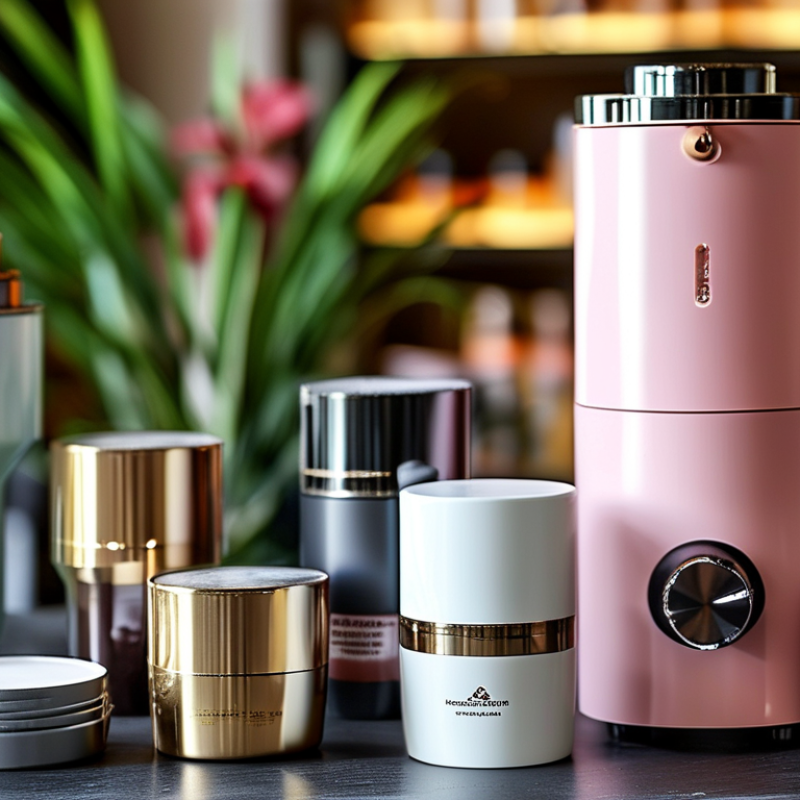
Understanding the Different Types of Cosmetic Powder Grinders
When selecting a cosmetic powder grinder, understanding the different types is crucial. There are various grinders, each serving unique purposes. Some might excel in producing ultra-fine powders, while others may focus on creating coarser textures. Depending on your specific needs, the type of grinder can significantly impact your cosmetic formulations.
Consider the functionality of each grinder type. A hammer mill is excellent for breaking down hard materials. The impact can create a desirable particle size but may also generate heat, which can affect powder quality. On the other hand, a pin mill is effective for finer grinding with reduced heat. However, it might not be suitable for all materials.
Tips: Always test the grinder with small batches first. This helps in assessing particle size and ensuring quality. Keep in mind that the right grinder can enhance your formulations, but mistakes can lead to waste. Evaluate your chosen grinder’s performance regularly. Does it meet your evolving needs? Reflect on its efficiency and versatility. Being aware of your grinder's influences can help refine your cosmetic products.
Understanding the Different Types of Cosmetic Powder Grinders
Key Features to Consider When Selecting a Cosmetic Powder Grinder
When selecting a cosmetic powder grinder, it's essential to focus on several key features. The grinder's material should be durable yet lightweight. Stainless steel offers rust resistance and longevity. In contrast, ceramic grinders are known for maintaining the purity of the powder, which is crucial for cosmetic applications.
Grind size variation is another critical factor. A versatile grinder can produce fine to coarse powders. According to a recent industry report, 72% of professionals prefer grinders with adjustable settings. Not all cosmetic formulations require the same texture. Therefore, flexibility in grind size is vital for achieving the desired consistency in makeup products.
Noise levels should not be overlooked. Many cosmetic manufacturers work in environments where minimal sound is preferred. Grinders with quieter motors can enhance workplace comfort. Additionally, ease of cleaning and maintenance is important. The lack of proper cleaning can lead to cross-contamination. Some grinders are easier to disassemble for cleaning, while others may require more effort. Understanding these nuances can significantly impact the selection process.
Evaluating Grinder Performance: Speed, Efficiency, and Consistency
When choosing a cosmetic powder grinder, performance matters significantly. Focus on speed, efficiency, and consistency. A grinder’s speed determines how quickly it processes materials. Faster grinders can significantly reduce production time. However, too much speed might create heat, affecting the quality of the powder. It’s crucial to find a balance that suits your needs.
Efficiency is equally important. A grinder should deliver optimal results without wasting product. Look for features that minimize powder loss during grinding. Some machines may be efficient but struggle with certain materials. This can lead to subpar results. Test various grinders to see how each handles different cosmetic ingredients.
Consistency in particle size is essential for your final product. Uneven grinds can lead to issues in formulations. A good grinder should produce fine, uniform particles every time. Think about the adjustments available for refining the grind. Some machines offer limited control, which can be a drawback. Pay attention to user reviews for insights on long-term reliability. Your choice should reflect your specific needs and preferences. Evaluate each option carefully, and don't hesitate to adjust based on feedback.
Assessing Material Quality and Durability in Cosmetic Powder Grinders
When selecting a cosmetic powder grinder, assessing material quality and durability is crucial. The grinding mechanism often determines the texture and fineness of the powder produced. High-quality materials, such as stainless steel or ceramic, offer greater durability and less likelihood of wear over time. According to the Cosmetic Industry Association, grinders made from premium materials tend to last 30% longer than those made from cheaper alternatives.
Durability impacts performance and efficiency. A grinder that's well-constructed reduces maintenance costs and provides consistent results. However, be wary of overly lightweight models; they may compromise stability while in use. Reports show that 25% of users experience dissatisfaction with low-quality grinders, often leading to uneven powder consistency.
Tip: Always check user reviews. They provide insight into long-term performance and material integrity. Test different grinders if possible. Pay attention to the feel and weight; the right balance is essential.
Remember, not every grinder will meet all needs perfectly. Evaluate your specific requirements before investing. A thorough comparison can reveal hidden issues that may not be apparent at first glance. This due diligence can save you from frequent replacements and unanticipated costs.
Budgeting for Your Ideal Cosmetic Powder Grinder: Costs and Value
When budgeting for a cosmetic powder grinder, understand the balance between cost and quality. Research shows that high-quality grinders can range from $150 to over $1,000. Factors such as motor power, grinding speed, and material impact the price significantly. While it may be tempting to choose cheaper options, lower quality can lead to poor grinding results and increased wear.
It's essential to evaluate your specific needs before making a purchase. For instance, a grinder designed for fine powders differs from one suited for coarser textures. Investing in a versatile grinder may seem pricier initially, but it can save you money in the long run. Remember, durability is crucial. Models made from stainless steel tend to last longer and maintain performance.
Tip: Set a budget while being flexible. Sometimes, spending slightly more on a quality grinder brings better value. Explore reviews and consult expert opinions to ensure you're making an informed decision.
Consider how frequently you plan to use the grinder. If it's for personal or light use, an entry-level model may suffice. For professional applications, a higher-end machine is a wiser investment. Balancing cost with functionality can be challenging, but it's critical for your long-term satisfaction.