How to Choose the Best Acoustic Solutions for Your Space?
In the quest for optimal sound quality, locating the right acoustic solutions is essential. Renowned acoustics expert Dr. Emily Thompson emphasizes, "Choosing the right acoustic solutions transforms a space." This transformation can mean the difference between a room that amplifies sound and one that elevates the listening experience.
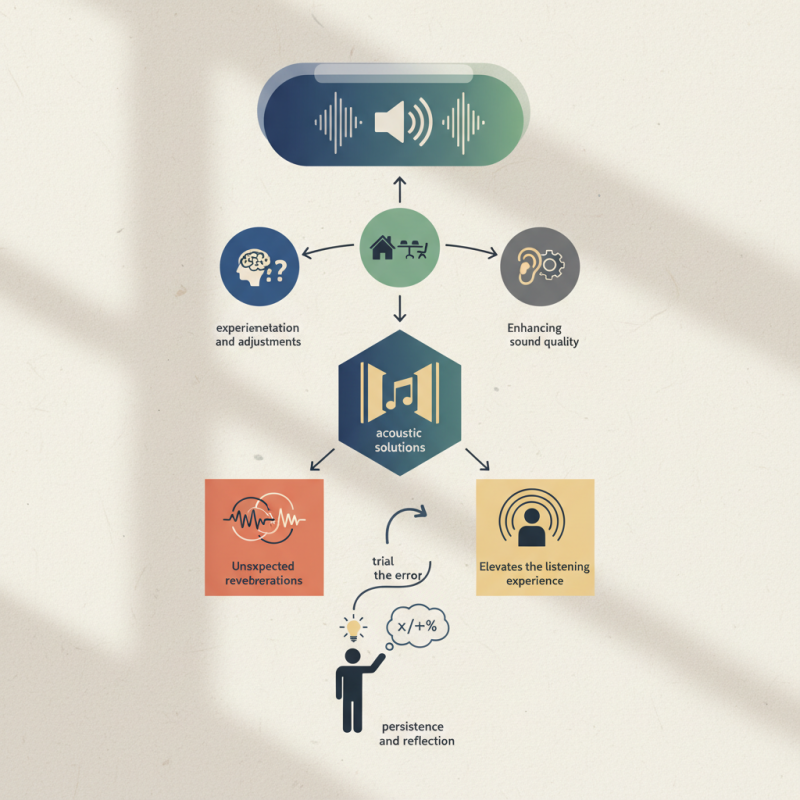
Acoustic solutions encompass a range of materials and designs. They address echoes, sound waves, and even noise pollution. Achieving the perfect balance often requires experimentation and adjustments. While some solutions may seem effective at first, they can lead to unexpected reverberations.
Finding the best fit for a space can be daunting. Many factors influence the effectiveness of acoustic treatments, including room size and intended use. The journey to enhancing sound quality often involves trial and error. The insights from professionals like Dr. Thompson can guide homeowners and businesses alike. However, true optimization demands persistence and reflection on initial choices. Understanding what works best in a specific environment is key to successful implementation.
Understanding Acoustic Principles and Their Importance
When considering acoustic solutions, understanding the principles of sound is crucial. Sound travels as waves, reflecting, absorbing, or diffusing within a space. Poor acoustic design can lead to issues like echoes and unwanted noise. Research indicates that overly reverberant spaces can increase cognitive load by up to 50%. This can affect productivity in workplaces or the enjoyment of music in theaters.
Acoustic materials play a significant role. For instance, soft furnishings absorb sound better than hard surfaces. A study found that 30% of office workers find noise to be a primary distraction. In residential areas, improper acoustic treatment can lead to disputes between neighbors, affecting community well-being. Choosing the right solutions, like soundproof panels or carpets, can make a noticeable difference.
However, it’s not always straightforward. Often, people overlook the nuances between sound absorption and soundproofing. An imbalance can lead to a space that feels dead or overly noisy. It’s essential to tailor acoustic solutions based on specific needs. Every space is different, and understanding its unique acoustic profile is key to effective treatment.
Assessing Your Space's Unique Acoustic Characteristics
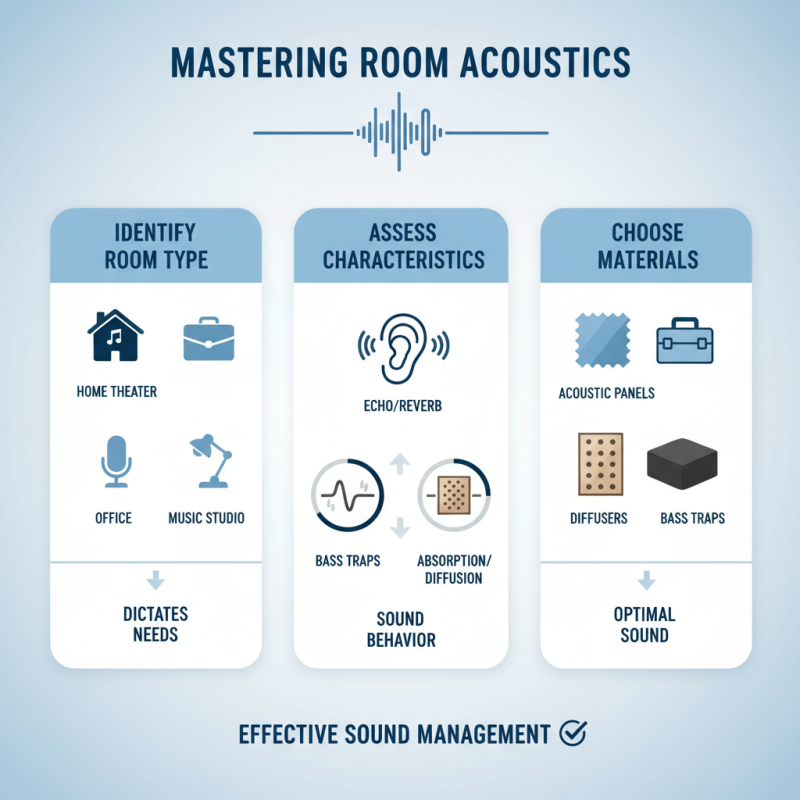
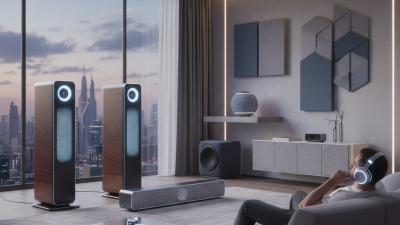
Assessing your space's unique acoustic characteristics is essential for effective sound management. Start by identifying the room's primary function. Is it a home theater, office, or music studio? Each setting has specific acoustic needs that can dictate the materials you choose.
Consider the size and shape of your room. A small, square room may create unwanted echoes. Meanwhile, a large, open space might struggle with sound clarity. Listen for these issues. Walk around the room and clap your hands. Notice how sound waves behave. Any delays or lingering echoes are clues to your space's acoustic challenges.
**Tip**: Use soft furnishings to absorb sound. Plush sofas, thick curtains, and rugs can minimize noise reflections.
Evaluate surface materials too. Hard surfaces like tile or glass can amplify sound. Meanwhile, textured walls and ceilings can help diffuse sound waves. Think about strategic placements of bookshelves or plants for better sound control.
**Tip**: Try adding acoustic panels or foam. These can drastically enhance sound quality in any environment.
Addressing your space’s unique characteristics is an ongoing process. It requires trial and error. Be open to adjusting your approach based on your observations. Each change can bring you closer to an acoustically perfect environment.
Identifying Common Acoustic Problems in Different Environments
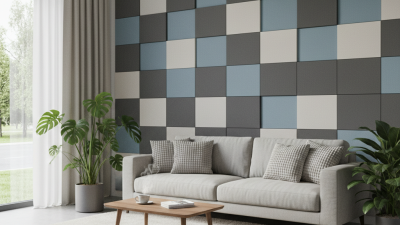
When dealing with acoustic issues, identifying common problems is crucial. In offices, excessive noise often disrupts productivity. Conversations carry, and echoes make it hard to concentrate. A cluttered layout can worsen the situation. Designing an office space with acoustic panels can help absorb sound and create a quieter environment.
In homes, especially in open areas, sound can bounce off hard surfaces. This creates uncomfortable noise levels. Adding carpets or rugs can effectively reduce echoes. Homes with large windows might also experience sound issues. Curtains designed for sound absorption can be a simple solution.
Tips: Consider your space's purpose. Gather information about sound levels before implementing solutions. Sometimes, you may need to experiment with different arrangements. Reflect on what works and adjust as necessary. Finding the right acoustic solution can make a significant difference.
How to Choose the Best Acoustic Solutions for Your Space?
This chart illustrates the prevalence of common acoustic problems in various environments, aiding in the decision-making process for selecting the best acoustic solutions.
Exploring Various Acoustic Treatment Options and Materials
When selecting acoustic treatment options, it’s essential to understand the materials available. Panels made of fiberglass, for example, are effective for controlling mid to high frequencies. According to a report by the National Institute of Standards and Technology, proper acoustic treatment can reduce noise levels by up to 20 decibels. This can significantly enhance listening experiences in various spaces.
Foam panels are another option to consider. They are lightweight and cost-effective. While these panels can absorb sound, they don't address low-frequency issues well. A study from the Acoustical Society of America indicates that low-frequency problems often require heavier materials like bass traps. Thus, relying solely on foam panels can lead to an incomplete solution.
Another factor to ponder is installation. DIY methods often seem appealing. However, they can result in uneven coverage if not done carefully. Misalignments can create unexpected echoes. Proper planning and measurement can mitigate this risk. Taking time to reflect on the ideal setup can make a significant difference in achieving the desired acoustic quality.
How to Choose the Best Acoustic Solutions for Your Space?
| Acoustic Treatment Option |
Material Type |
Effectiveness Level |
Installation Complexity |
Cost Range |
| Acoustic Panels |
Fiberglass |
High |
Easy |
$50 - $200 per panel |
| Bass Traps |
Foam |
Medium |
Moderate |
$30 - $150 each |
| Diffusers |
Wood |
High |
Moderate |
$100 - $500 each |
| Acoustic Curtains |
Heavy Fabric |
Medium |
Easy |
$50 - $300 per panel |
| Ceiling Clouds |
Mineral Wool |
High |
Complex |
$200 - $800 |
Implementing Solutions: Placement and Installation Guidelines
Implementing effective acoustic solutions requires careful planning and execution.
Placement of acoustic panels can significantly impact sound quality. Data from industry reports suggest that
strategic positioning can improve overall acoustic performance by up to 40%.
For optimal results, place panels at reflection points, usually at ear level.
Consider the layout of your space; irregular shapes can create dead zones that may need extra attention.
Installation guidelines also matter. Ensure that panels are mounted securely.
Loose attachments can reduce effectiveness by as much as 30%.
Utilize correct mounting hardware for maximum stability. Experimenting with placement is often necessary. What seems ideal on paper may not work in reality.
Don’t hesitate to adjust and test for best results. Remember, each space is unique; the same solution may yield different results in different environments.
Acoustic solutions are not one-size-fits-all. Reflect on your initial choices. You may find that unexpected areas produce baffling echoes.
It's crucial to revisit these spots. Conduct listening tests to gauge improvements.
Balancing sound absorption with aesthetic preferences may be a challenge.
Embrace the process as an ongoing journey, constantly refining your approach for the best auditory experience.