How to Choose the Best Interior Acoustic Panels for Your Space?
Choosing the right interior acoustic panels is crucial for creating a balanced sound environment. According to a report by the Acoustical Society of America, poor acoustics can lead to diminished productivity and increased stress in workspaces. This highlights the importance of selecting effective acoustic solutions.
John Smith, a renowned acoustic engineer, states, “Quality interior acoustic panels can significantly enhance the auditory experience in any space.” His insights emphasize the need for careful consideration in material, design, and placement of these panels. For instance, while foam panels are popular, wood or fabric options may offer better aesthetics and sound absorption.
The variety of options can be overwhelming. The right panel should not only fit the decor but also meet specific acoustic needs. As the market evolves, it is essential to acknowledge that not all products provide equal results. Reflecting on your space’s unique characteristics is vital for making informed choices. Poor choices could lead to continuing acoustic challenges.

Understanding Sound Absorption Coefficients in Acoustic Panels
When selecting interior acoustic panels, understanding sound absorption coefficients is crucial. These coefficients determine how effectively a panel can absorb sound at specific frequencies. According to the National Institute of Standards and Technology (NIST), materials with higher coefficients work better in reducing unwanted noise. A coefficient of 0.75 or higher is often deemed effective in commercial spaces.
Consider the specific acoustic needs of your environment. For example, a restaurant may require panels that absorb mid-range frequencies to minimize chatter, while a home theater may focus on low frequencies. Measurement data from the Acoustical Society of America shows that the absorption varies significantly across different materials. Fabric-wrapped panels generally perform better than bare foam.
It's essential to realize that not all panels are equal in effectiveness. Some may excel in certain frequencies but underperform in others. Engaging with an acoustics professional can provide insight into your unique space. Their expertise can guide you toward making informed choices that also enhance aesthetics. Balancing design and functionality often requires thoughtful consideration and perhaps, some trial and error.
Evaluating Different Materials: Fabric, Foam, and Wood Options
When it comes to choosing acoustic panels, material plays a crucial role. Fabric panels are popular for their aesthetic appeal. They come in various colors and patterns, allowing them to blend seamlessly into any space. When selecting fabric, consider durability and ease of cleaning. Not all fabrics hold up well to everyday use.
Foam panels are lightweight and effective in sound absorption. They often come in various shapes, which can add visual interest. However, foam might not be as durable. It can degrade over time, especially in high-traffic areas. Be mindful of where you place them, as prolonged exposure to sunlight can lead to fading.
Wood panels offer a unique combination of style and functionality. They provide a warm aesthetic while effectively reducing echo. However, installing wood panels can be more complex. Ensure that the installation is done correctly to prevent gaps that could compromise sound absorption. Each material has its strengths and weaknesses. The key is to evaluate your specific needs and preferences carefully. Balancing aesthetics with performance can lead to a more satisfying outcome.
Determining Panel Thickness for Optimal Acoustic Performance
Choosing the right panel thickness is crucial for achieving optimal acoustic performance in your space. Thicker panels generally absorb lower frequencies better, leading to improved sound quality. Typically, panels range from 1 to 4 inches thick. A thickness of 2 inches is commonly effective for most residential applications. However, spaces with significant noise issues may require thicker designs.
Consider the specifics of your room. Hard surfaces, like concrete, reflect sound waves. This reverberation can lead to muffled conversations and an unpleasant acoustic environment. A thicker panel helps counteract this effect. For instance, recording studios often utilize thicker panels for sound clarity.
Experimentation is key. Not all environments react the same way. You might find that a panel that works in one room may not yield the same results in another. Take time to test different thicknesses and placements. Monitor how sound behaves over time. Adjust based on your personal experience and practical needs.
Calculating the Required Coverage Area for Effective Sound Control
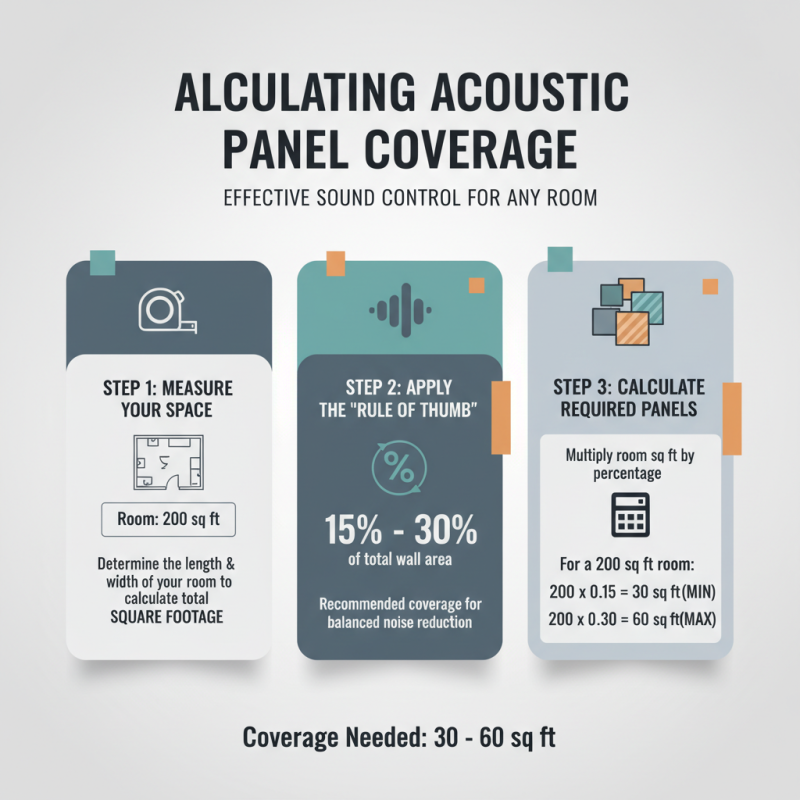
To determine the required coverage area for effective sound control with acoustic panels, start with measuring your space's dimensions. A common recommendation suggests that around 15% to 30% of the wall area should be covered with panels. This range ensures a balanced reduction of unwanted noise without overwhelming the aesthetics of the room. For a 200-square-foot room, this translates to covering approximately 30 to 60 square feet with panels.
Industry studies indicate that higher coverage percentages may enhance sound absorption, particularly in spaces with reflective surfaces. According to a recent report, a well-designed acoustic environment can reduce noise levels by 10-20 dB, significantly improving sound clarity. However, this is not a one-size-fits-all solution. Each space reacts differently due to various factors like ceiling height, furniture placement, and the types of materials used.
Consider conducting a sound test after installing panels to ensure effectiveness. Listening to feedback from occupants can pinpoint areas needing adjustments. Remember, achieving optimal sound control is an iterative process. It might take several attempts to find the right balance for your specific environment.
Aesthetic Considerations: Choosing Colors and Designs for Your Space
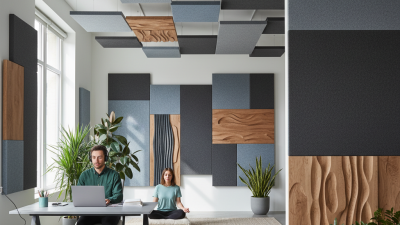
When choosing acoustic panels, aesthetics play a crucial role. The right colors and designs can enhance your space while absorbing sound. Choose hues that match your existing decor. Natural tones can create a calm atmosphere. Bright colors can energize a room. It’s essential to balance aesthetics with functionality.
**Tips**: Consider the size of the room before selecting colors. In smaller spaces, lighter shades create a sense of openness. Darker colors can add depth but may feel suffocating. Think about patterns too. Subtle designs can add character without overwhelming the space.
Textures also matter. Panels with varied textures can diffuse sound better. Felt, fabric, or wood finishes offer diverse visual impacts. Mix different materials for more interest. Reflect on how you want the space to feel. A thoughtful approach will lead to a harmonious blend of sound absorption and visual appeal.
How to Choose the Best Interior Acoustic Panels for Your Space?
| Panel Type |
Color Options |
Design Style |
Acoustic Rating (NRC) |
Ideal Space |
| Fabric Wrapped Panels |
Wide range including pastels, bolds, and neutrals |
Modern, Minimalist |
0.85 - 1.00 |
Offices, Conference Rooms |
| Wood Panels |
Natural wood tones, custom stains |
Traditional, Rustic |
0.60 - 0.80 |
Restaurants, Lounges |
| Ceiling Tiles |
White, Black, and Textured Finishes |
Contemporary, Industrial |
0.75 - 0.90 |
Commercial Spaces, Theaters |
| Panel Art |
Custom artwork, Various colors |
Artistic, Creative |
0.70 - 0.95 |
Creative Studios, Art Galleries |
| Polyester Panels |
Vibrant colors, Eco-friendly options |
Eco-modern, Bright |
0.80 - 1.00 |
Schools, Playrooms |