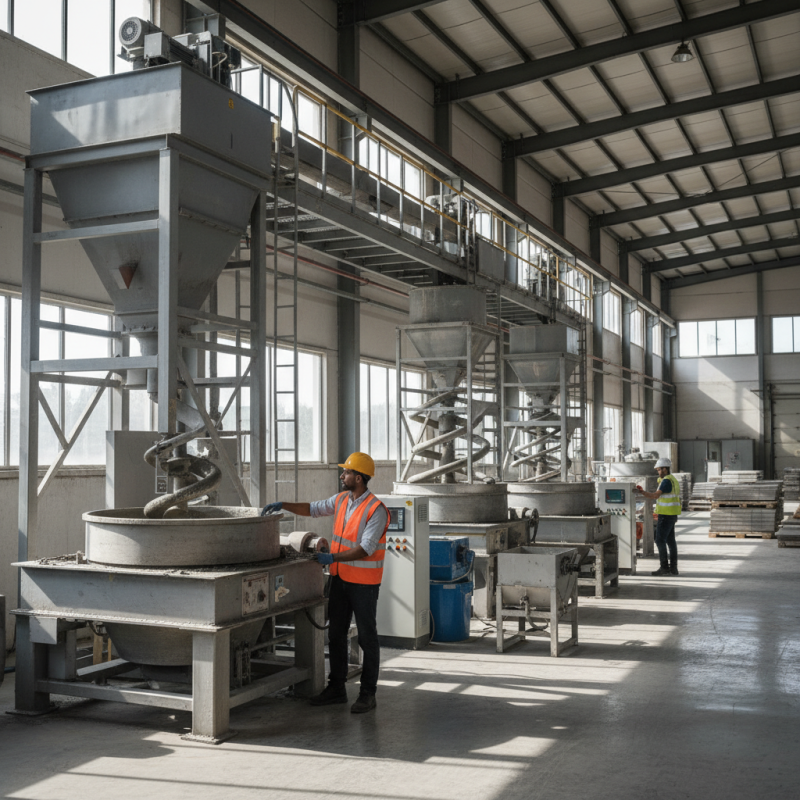
How to Choose the Best Precast Concrete Mixer for Your Needs?
Choosing the right Precast Concrete Mixer can significantly affect your construction project. It requires careful consideration of multiple factors. The mixer you select should meet your specific needs in terms of capacity, efficiency, and functionality.
Precast Concrete Mixers come in various types and sizes. Each type serves distinct purposes and applications. For instance, a small mixer may suit residential projects, while larger mixers are needed for commercial buildings. Make sure to evaluate your project scale and mix requirements thoroughly.
Moreover, the technological advancements in mixers enhance their performance. But with such innovations, choosing one can be overwhelming. It’s essential to reflect on your unique needs and the mixer’s reliability. Consider consulting with experts for insights. This process is not just about selecting equipment; it reflects your commitment to quality and efficiency in construction.
Understanding Precast Concrete Mixers and Their Benefits
Precast concrete mixers play a crucial role in the construction industry. They produce high-quality concrete products efficiently. Understanding their benefits helps in choosing the right one for your specific needs. These mixers allow for consistent quality and reduce labor costs significantly. They also streamline the entire mixing process, leading to faster project completion.
When selecting a precast concrete mixer, consider its capacity and versatility. Some mixers cater to smaller projects, while others fit large-scale operations. A suitable mixer will accommodate different concrete types. This variety ensures that you get the exact specifications needed for your project. It's important to think about your production volume and the types of projects you typically undertake.
However, not every mixer will meet your expectations. If you choose a model that's too large, you may waste resources. Similarly, a smaller mixer may not keep up with demand. It's essential to assess your needs accurately. Look for feedback from other users to gauge reliability. This can provide valuable insights into the mixer’s long-term performance. A well-informed choice leads to better project outcomes. It also enhances your credibility within the industry.
How to Choose the Best Precast Concrete Mixer for Your Needs?
| Feature | Description | Importance |
| Mixer Capacity | Indicates the volume of concrete that can be mixed in one batch. | Affects production efficiency and scale of operations. |
| Mixing Speed | Time taken to complete the mixing process. | Impacts overall project timelines and labor costs. |
| Portability | Ease of moving the mixer on-site. | Enhances flexibility in project locations. |
| Durability | Resistance to wear, tear, and harsh conditions. | Long-term investment in machinery lifespan and reliability. |
| Mixing Technology | Type of mixing method (e.g., planetary, drum, etc.). | Affects mixing quality and consistency of the concrete. |
| Energy Efficiency | Power consumption during operation. | Lowers operational costs and environmental impact. |
| Maintenance Requirements | Frequency and type of maintenance needed. | Affects downtime and operational efficiency. |
Key Factors to Consider When Choosing a Precast Concrete Mixer
Choosing the right precast concrete mixer is crucial for job efficiency. Start by assessing your project scale. A small-scale project may not need a large mixer. Larger projects require higher capacity to meet deadlines. Consider the volume of concrete you need to produce daily. This factor dictates the size of the mixer.
Another key factor is the type of concrete. Different mixes require specific mixing techniques. Some may require more homogeneity, while others need speed. It's essential to match the mixer’s capabilities with your concrete type. Review mixing time, as faster doesn’t always mean better. A swift mix can lead to inconsistencies.
Don’t overlook maintenance and durability. A reliable mixer should withstand various environmental conditions. Assess the materials used in construction. They can impact the longevity of the mixer. Finally, factor in your budget but don’t compromise on quality. An overemphasis on low cost could result in future setbacks. Reflect on these points to make the best choice.
Types of Precast Concrete Mixers: Batch vs. Continuous Systems
When selecting a precast concrete mixer, you must understand the two primary types: batch and continuous systems. Batch mixers produce concrete in specific quantities. This makes them ideal for projects with varying needs. Continuous mixers, on the other hand, work non-stop, providing a steady supply of concrete. They are better suited for high-demand operations, where speed and efficiency are critical.
Consider your production needs carefully. Evaluate your project's scale and the frequency of concrete use. Batch mixers may lead to downtime during mixing but offer versatility for smaller jobs. Continuous mixers streamline operations, but they require careful oversight. An underperforming mixer can derail a project.
Tips: Assess your budget and space. Batch mixers often have lower upfront costs. However, continuous systems can be more efficient over time. Think about the long-term implications. Choose a mixer that aligns with your operational goals. Always seek advice from industry experts when unsure. They can provide insights tailored to your specific circumstances.
Assessing Mixer Capacity and Output for Your Specific Needs
Choosing the right precast concrete mixer involves careful assessment of your specific needs, particularly regarding mixer capacity and output. According to industry reports, mixers generally range from small, portable versions with a capacity of 1-2 cubic yards to large industrial models capable of handling 10 cubic yards or more per batch. It is essential to match the mixer capacity with the project size.
For small residential projects, a 1-3 cubic yard mixer is often sufficient, while larger commercial projects may require mixers that can produce multiple cubic yards per hour.
Output is another critical factor. A high-output mixer can produce mixed concrete quickly, reducing downtime. Some precision-engineered mixers can achieve up to 40 cubic yards per hour. However, this speed may come with trade-offs in quality or consistency. Besides, factors like mixing time and material types affect the overall output. Choosing a mixer solely based on capacity and speed may overlook the necessary quality controls. Understanding your project's demands is important. Regular evaluation of performance metrics, such as batch consistency and downtime, helps refine mixer selection over time.
Maintenance and Durability Considerations for Long-Term Use
When selecting a precast concrete mixer, maintenance and durability are vital for long-term performance. Regular maintenance helps prevent costly repairs. It is essential to follow a structured maintenance schedule. This includes checking for wear and tear on mixer blades and seals. According to industry reports, regular maintenance can extend the lifespan of the equipment by up to 30%.
Durability is another critical aspect. Precast concrete mixers face various environmental factors, including temperature fluctuations and humidity. A study found that mixers made with high-quality materials showed a 15% increase in resistance to corrosion. This means fewer replacements over time. Proper cleaning of the mixer after each use can also prevent build-up, which can negatively impact the mixer’s efficiency.
Choosing the right materials is important. Ensure your mixer is constructed with durable components. This not only enhances performance but also minimizes downtime. However, not all operators are aware of the nuances in material selection and the impact on longevity. Ongoing training for operators can bridge this knowledge gap. Investing in staff education can yield substantial returns through improved equipment lifespans.