
Blog
How to Choose the Best Interior Panels for Your Home?
Choosing the best interior panels for your home can be a daunting task. With so many options available, it's hard to know where to start. Expert designer Julia Thornton emphasizes, "The right interior panels can transform a space and create a mood." This insight highlights the importance of making informed choices.
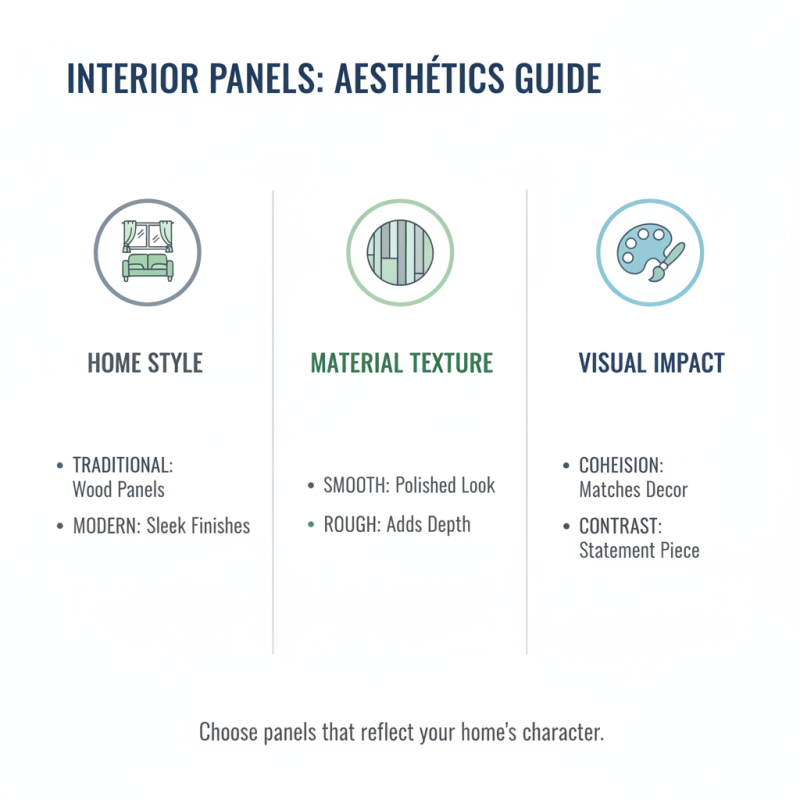
Interior panels come in various materials, styles, and colors. Wood panels add warmth, while metal panels provide a sleek, modern look. Each type offers unique benefits and aesthetics. However, it's crucial to consider your home's existing design and your personal preferences. Sometimes, options that seem appealing may clash with the overall decor.
Mistakes can happen when selecting interior panels. Overlooking the scale is common. Choosing a panel that’s too large can overwhelm a room. Conversely, panels that are too small may get lost in the space. These missteps remind us that thoughtful consideration is key. Balancing style with functionality leads to the best outcome for your home.
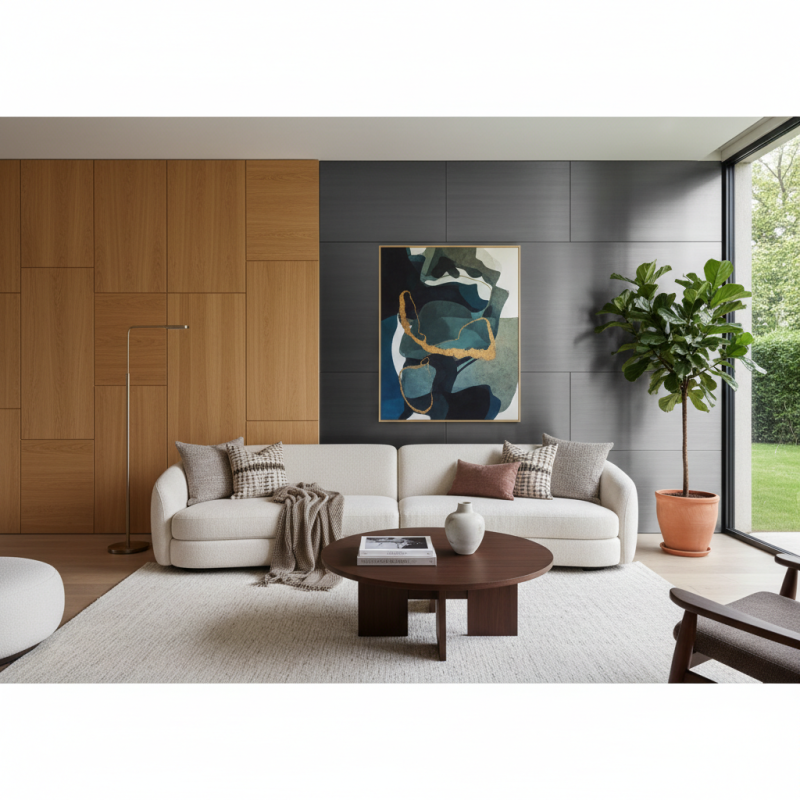
Factors to Consider When Selecting Interior Panels for Your Home
Choosing the right interior panels can dramatically transform your space. The materials you select will significantly impact both aesthetics and functionality. Wood panels offer warmth and elegance, while metal can provide a modern edge. Don’t overlook drywall; it is versatile and budget-friendly.
Consider the room’s purpose when selecting panels. For high-moisture areas like bathrooms, opt for moisture-resistant options. If soundproofing is essential, look for denser materials. The color and texture of panels can also influence the overall vibe. Darker shades create intimacy, while lighter options evoke spaciousness.
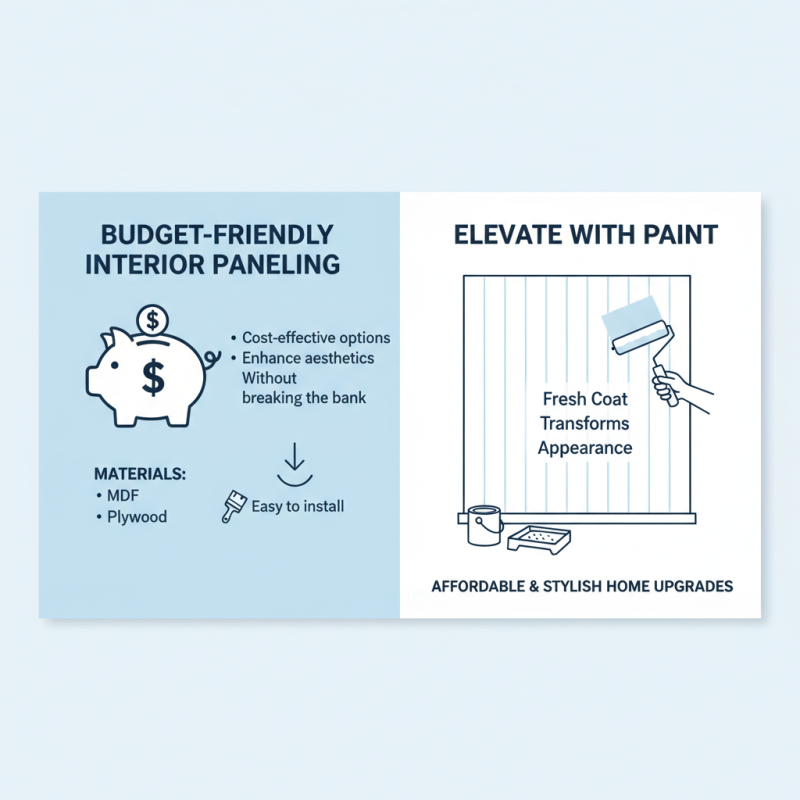
Budget is crucial too. High-quality panels may cost more upfront but can save you money over time with durability. Be ready to assess your choices. Is the panel too trendy? Trends fade, but quality lasts. Take the time to reflect on your needs. The perfect panel should enhance your home’s character, not detract from it.
How to Choose the Best Interior Panels for Your Home? - Factors to Consider When Selecting Interior Panels for Your Home
| Factor | Description | Examples |
|---|---|---|
| Material | Consider the durability and aesthetics of the material used. | Wood, PVC, MDF, Gypsum |
| Style | Match the panel style with your home decor theme. | Modern, Rustic, Traditional, Minimalist |
| Insulation | Evaluate thermal and sound insulation properties. | Acoustic panels, Insulated wall panels |
| Maintenance | Consider how easy the panels are to clean and maintain. | Washable finishes, Stain-resistant materials |
| Cost | Determine your budget for materials and installation. | Price range per square foot |
| Installation | Consider whether panels are easy to install or require professional help. | DIY-friendly vs. Professional installation needed |
| Eco-friendliness | Look for sustainable materials and low VOC options. | Recycled materials, Certified eco-friendly products |
Related Posts
-

Discovering Trends in Interior Panels at the 138th Canton Fair 2025 in China
-
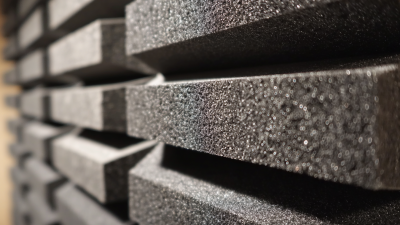
Transform Your Space: The Ultimate Guide to Acoustic Treatment Panels for Superior Sound Quality
-
How to Choose Acoustic Panels for Your Home Studio?
-
Why Are Sound Insulation Panels Essential for Noise Reduction?
-

Exploring Noise Insulation Innovations: Insights from the 138th Canton Fair 2025 and Industry Growth Projections
-
Why Wall Acoustic Panels Are Essential for Improving Sound Quality in Rooms