How to Choose the Best Interior Folding Door Manufacturer?
Choosing the right interior folding door manufacturer is crucial for your home project. A well-made door can enhance your space's aesthetics and functionality. However, with many manufacturers out there, it can become overwhelming to select the best one.
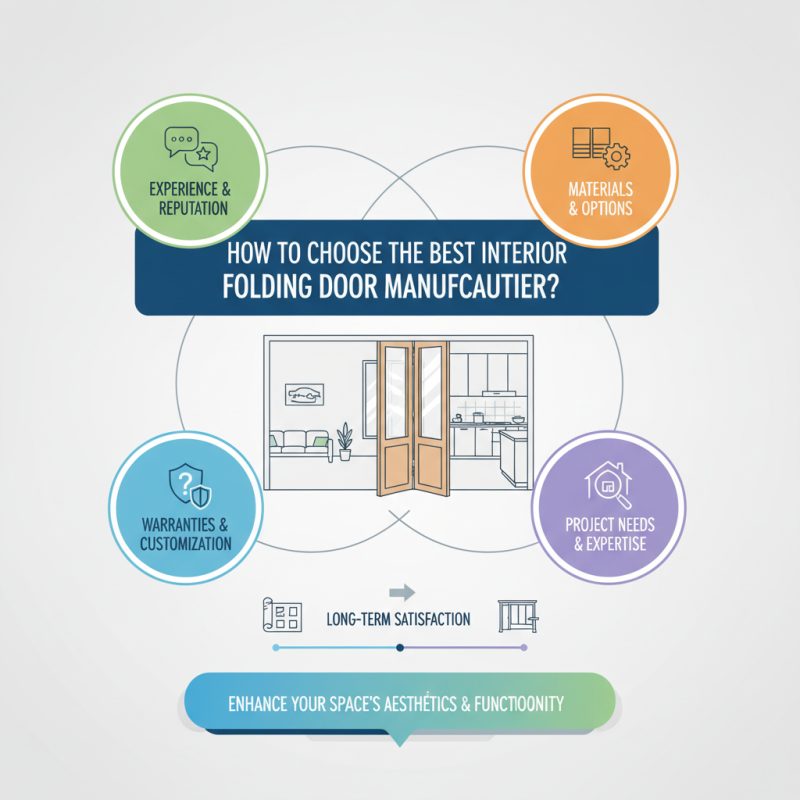
When evaluating an interior folding door manufacturer, consider their experience and reputation in the industry. Look for reviews and feedback from past clients. Understand the materials they use and the options they offer. High-quality materials ensure durability and long-term satisfaction.
It's important to ask questions. What warranties do they provide? Can they customize doors to fit your needs? Be aware that not every manufacturer may have the expertise you require. Don't settle for less than what your project deserves. Your choice will impact the look and feel of your space for years.
Understanding the Types of Interior Folding Doors Available on the Market
When considering interior folding doors, it's essential to understand the varieties available in the market. Most commonly, you’ll find bi-fold doors, accordion doors, and sliding doors. Bi-fold doors are particularly popular in modern homes, allowing for wide openings that enhance space utilization. A report by Key Market Insights indicates that the demand for bi-fold doors has increased by 15% annually as homeowners seek versatility in their living spaces.
Accordion doors, on the other hand, are ideal for tight spaces. They fold back to a slim profile, making them perfect for closets or small rooms. The interior folding door market is projected to grow at a compound annual growth rate of 10% due to the rising trend of open-concept living. This growth invites potential concerns about material quality. Not all manufacturers prioritize durability; materials may wear out quickly if not selected carefully.
It’s also crucial to consider the aesthetic appeal of these doors. While some offer sleek designs, others might lack style or lightweight functionality. A good design complements your home’s interior. However, not all doors strike the right balance between form and function. Consumers should be cautious and assess options critically. Doing so can lead to choices that enhance both beauty and practicality in their living spaces.
Key Factors to Consider When Selecting a Folding Door Manufacturer
Choosing the right interior folding door manufacturer can significantly impact your project. Start by considering the material quality. Quality materials ensure durability. A report from the National Association of Home Builders highlights that interior doors should last at least 20 years under normal use.
Next, evaluate the manufacturer's experience. Companies with a long history often have better craftsmanship. They understand market trends and customer needs. Research indicates that 75% of homeowners prefer established manufacturers. Ask for samples to assess the finish. Some products may not meet your expectations, leading to costly replacements.
Another critical factor is customer service. A manufacturer should provide support during and after the purchase. Research shows that 60% of buyers value responsiveness. If a company does not respond promptly, consider this a red flag. Your satisfaction matters, and unclear communication may hinder your project. Always read reviews and testimonials. They often reflect real experiences that guide your choice.
How to Choose the Best Interior Folding Door Manufacturer? - Key Factors to Consider When Selecting a Folding Door Manufacturer
| Key Factor | Details | Importance Level |
| Experience | Years of experience in manufacturing interior folding doors. | High |
| Materials Used | Quality and durability of materials employed in door construction. | High |
| Customization Options | Availability of custom sizes and designs to fit specific needs. | Medium |
| Customer Reviews | Feedback and ratings from previous customers regarding the products and service. | High |
| Warranty and Support | Length and terms of warranty provided on the doors manufactured. | Medium |
| Pricing | Cost of products in relation to the quality offered. | High |
| Delivery Times | Estimated time for production and delivery of ordered doors. | Medium |
Evaluating Manufacturer Reputation and Customer Reviews
When selecting an interior folding door manufacturer, evaluating their reputation is essential. A good reputation often reflects consistent quality and service. Check for online reviews across various platforms. Look for trends in feedback. Are customers repeatedly satisfied or do issues arise?
Tips: Pay attention to detailed reviews. They reveal specific experiences. Look for comments on durability and ease of installation. This information can guide your decision.
Also, consider the manufacturer’s history. Longevity in the industry can signal reliability. However, don’t overlook newer companies. They may offer innovative designs or improved materials. A balance of tradition and modernity can enhance your choices.
Explore forums or social media for unfiltered opinions. Sometimes, negative reviews provide valuable insights. They may highlight potential pitfalls that aren’t obvious. Ensure you weigh these carefully against positive feedback. A well-rounded view is key to making an informed choice.
Assessing Material Quality and Design Options Offered
When assessing interior folding doors, material quality is paramount. Choose doors made of solid wood, fiberglass, or metal. Each material possesses unique strengths. Solid wood offers warmth and durability. Fiberglass resists moisture well. Metal provides an industrial charm. The look and feel of your door impact the entire room's atmosphere. Every option has its pros and cons.
Consider design options carefully. Folding doors come in various styles. Some feature sleek, modern lines while others are more traditional. Color choices are equally important; they should complement existing décor. Customization can enhance your space. Think about finishes that resist scratches and stains. Reflect on how the door will function in daily use.
Lastly, think about installation. A poorly installed door can ruin an elegant design. Take time to read reviews on manufacturers. Some may promise structural integrity but fail in execution. Ask questions about warranties and support. A well-made door is a long-term investment, and quality should never be compromised.
Assessment of Interior Folding Door Manufacturers
Examining Warranty and After-Sales Support Policies
When choosing an interior folding door manufacturer, warranty and after-sales support are crucial factors. A solid warranty offers peace of mind. It typically covers defects in materials and workmanship. A good manufacturer will provide guarantees for several years. However, always read the fine print carefully. Some warranties have exclusions that can catch you off guard. Understanding what is covered helps avoid frustrations later.
After-sales support can be just as important as the warranty itself. A responsive support team can mean the difference between a good and a great experience. Check if they offer installation help or troubleshooting advice. Some companies have a dedicated customer service line, while others may lack this. Look for reviews or testimonials that speak to their service quality. A lackluster response might indicate potential issues down the road. Making a choice based simply on price may lead to regret if support is lacking.
Evaluating these aspects is essential. Poor support can leave you stuck, even if the product is great. Don’t overlook this part of your decision. Choose a manufacturer that values customer satisfaction just as much as product quality. It's a critical step that requires your attention.