How to Choose the Best Acoustic Windows for Noise Reduction?
In today's increasingly noisy world, finding solace within one's home can be challenging. The demand for effective noise reduction solutions has risen sharply. According to a report by the Acoustics Research Society, improperly insulated homes can experience noise levels that exceed 85 decibels, equivalent to busy traffic. This is where acoustic windows come into play.
Expert David Harmon, a noted figure in the acoustic windows industry, states, "Investing in quality acoustic windows can transform your living space." These windows are designed to minimize external noise significantly. They use advanced materials and construction techniques to achieve impressive sound insulation levels.
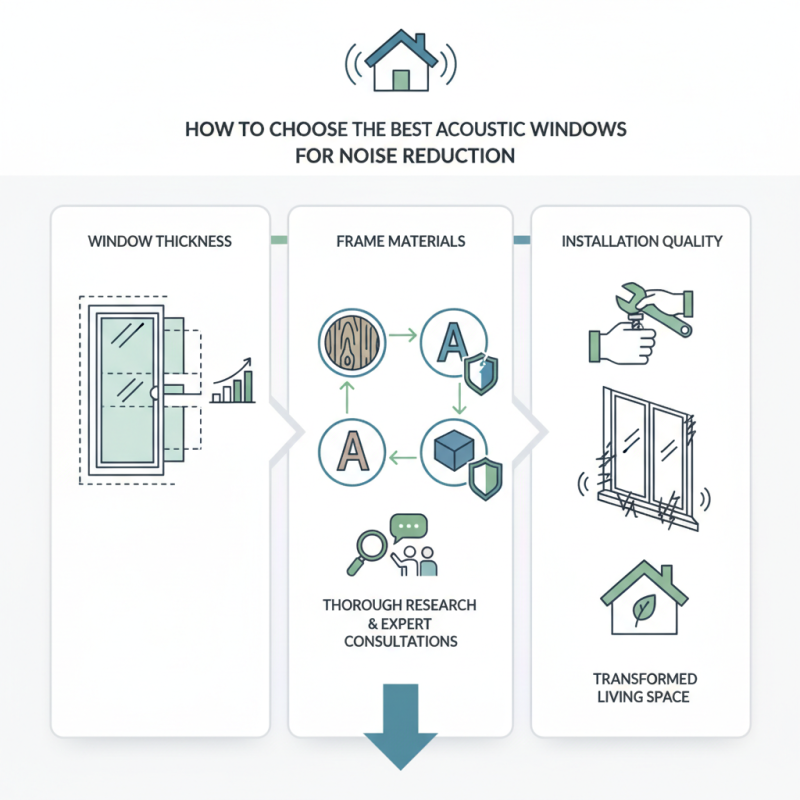
Yet, not all acoustic windows are created equal. Consumers often overlook factors like window thickness, frame materials, and installation quality. A poorly installed window may fail to deliver promised noise reduction. This makes thorough research and expert consultations crucial for choosing the best options available.
Understanding Acoustic Windows and Their Importance for Noise Reduction
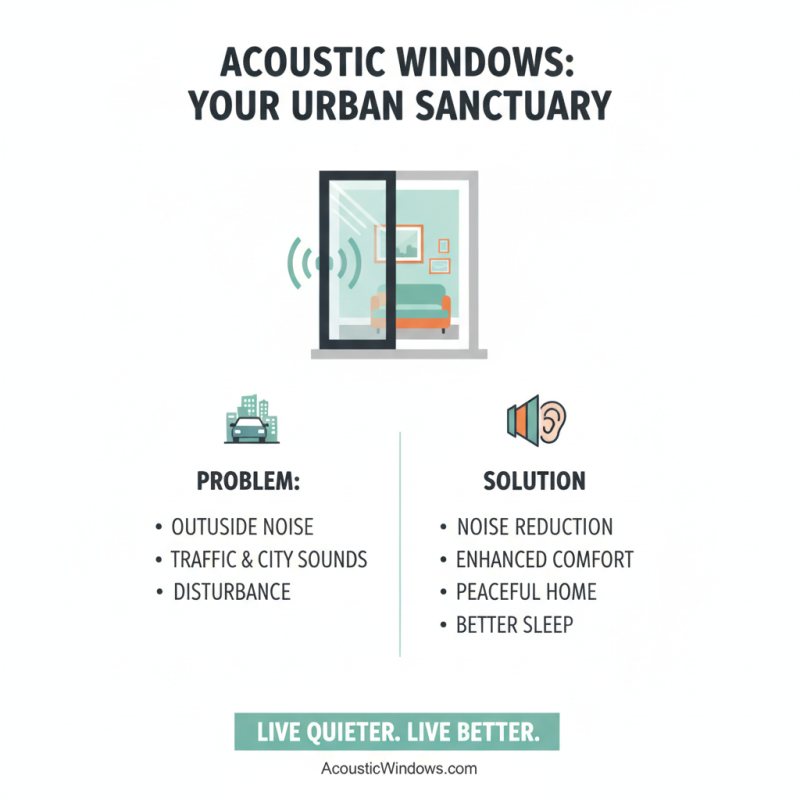
Acoustic windows are designed to reduce outside noise and enhance comfort. They play a crucial role in homes near busy roads or urban areas. Understanding their importance can help you make informed decisions.
Choosing the right acoustic window requires attention to detail. Look for windows with multiple layers of glass. This can improve sound insulation significantly. Additionally, consider the frame material; vinyl or fiberglass tends to perform better.
When evaluating options, pay attention to the Sound Transmission Class (STC) rating. Higher STC ratings mean better noise reduction. However, be cautious—some windows may not provide the expected performance in real-world situations.
Tips: Always check installation methods. Proper installation is critical for maximizing benefits. Sometimes, poor fitting negates noise reduction efforts. Lastly, ensure any seals are tight, as gaps can let sound leak through easily.
Key Features to Look for in Acoustic Windows for Effective Soundproofing
Choosing the right acoustic windows involves understanding their key features. Look for windows with multiple layers of glass. Double or triple glazing reduces noise more effectively. The air gap between layers also plays a crucial role. A wider gap enhances sound insulation.
Consider the window frame materials. Heavy frames like fiberglass or wood can absorb sound better than lighter materials. Sealing is important too. Check for airtight seals around the edges. Any gaps can let noise slip through. Soundproofing is compromised if the seals are not tight.
Thickness matters. Thicker glass blocks more sound. Aim for at least 6 mm for better results. Each feature impacts overall effectiveness. Reflect on your noise issues. Identify what you're trying to block. Tailor your choice to fit your specific needs.
Noise Reduction Performance of Acoustic Windows
Types of Acoustic Windows and Their Suitability for Different Environments
Acoustic windows come in various types, each suited for different environments. For residential areas, double-glazed windows are a popular choice. They provide good sound insulation and are effective in blocking outside noise. The space between the panes acts as a buffer against sound waves.
In commercial settings, laminated acoustic glass might be more suitable. This type uses a layer of sound-dampening material between sheets of glass. It is highly effective in busy urban areas, especially near highways. However, installation can be complex, and costs can be higher than standard options.
Consider the environment when choosing acoustic windows. A bustling street will require different features compared to a quiet suburb. It's essential to assess noise levels and types before installation. Not all products yield the same results. Some may fall short in performance. Reflecting on these factors can lead to better choices.
How to Choose the Best Acoustic Windows for Noise Reduction?
| Type of Acoustic Window |
Noise Reduction Rating (NRR) |
Suitable Environment |
Typical Thickness |
Cost Range |
| Single Pane Windows |
15-20 dB |
Residential Areas |
3-6 mm |
$100 - $200 |
| Double Pane Windows |
25-30 dB |
Urban Environments |
6-12 mm |
$200 - $400 |
| Triple Pane Windows |
30-40 dB |
Commercial Buildings |
12-18 mm |
$400 - $800 |
| Laminated Glass Windows |
35-45 dB |
Factories & Airports |
6-12 mm |
$300 - $600 |
| Acoustic Glazing |
40-50 dB |
Concert Halls & Studios |
8-16 mm |
$500 - $1000 |
Installation Considerations for Maximizing the Effectiveness of Acoustic Windows
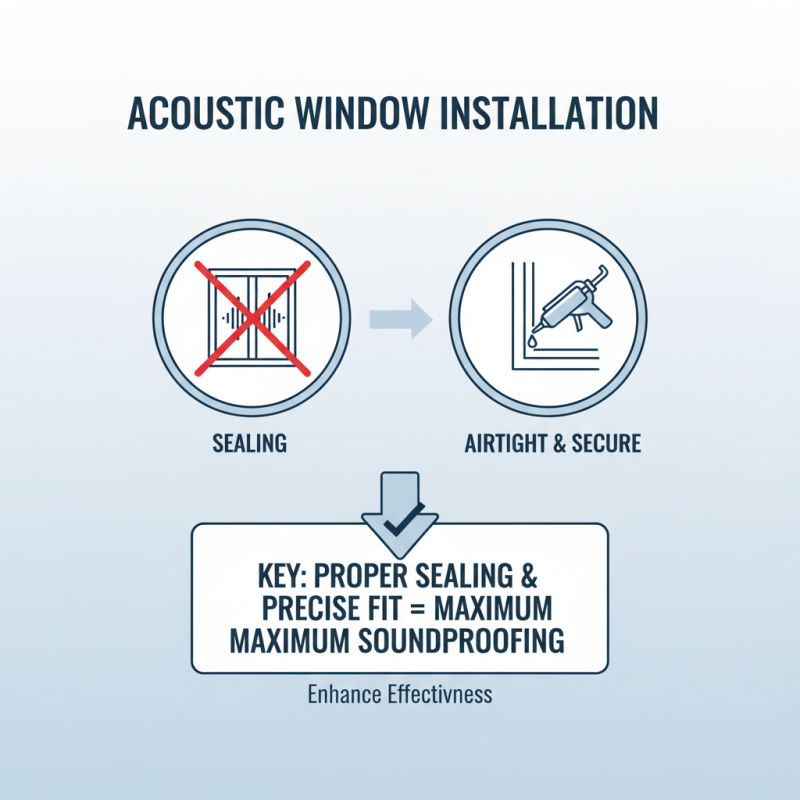
When installing acoustic windows, several considerations can enhance their effectiveness. Proper sealing is vital. Gaps can let noise in, diminishing the windows’ soundproofing. Choose high-quality caulk to seal edges thoroughly. This prevents any air leaks. The installation should be tight and precise. Any oversight can compromise performance.
Window frames also play a role. Select frames that are sturdy and resistant to deformation. Improper framing can lead to vibrations, which will reduce noise reduction capabilities. Opt for materials that complement the windows, ensuring a snug fit. This balance is important for effective sound attenuation.
Think about the glass thickness too. Thicker glass can block more sound. If possible, use laminated glass. It can further reduce noise. Consider layering different thicknesses for better results. Each layer serves to disrupt sound waves. Reflect on these aspects. They can make a significant impact on how well the windows perform in real-world conditions.
Cost Factors and Budgeting for High-Quality Acoustic Windows
When considering acoustic windows, understanding the cost factors is vital. High-quality acoustic windows can range from $300 to $1,000 per window. This variation depends on materials, thickness, and custom features. For instance, laminated glass significantly reduces noise. Reports indicate that using double or triple-pane glass can lower sound transmission by up to 50%. Investing in better-quality materials often leads to improved noise reduction.
Budgeting also requires assessing installation costs. Professional installation typically ranges from 20% to 30% of the total price. Many homeowners underestimate this factor. Additional elements, like frame materials and weather sealing, can add to the overall expense. It’s common to overlook these details until after purchase.
Therefore, careful planning is crucial for a realistic budget.
Acoustic windows also need consideration of long-term benefits. While the upfront cost may seem high, they can lead to energy savings. Reports suggest that homes with quality windows see heating and cooling costs drop by 15% to 25%. However, a balance is necessary. Overextending your budget can lead to regrets down the line. Keep in mind that quality does come at a price, but it’s essential to ensure it’s within your financial means.