How to Choose the Best Acoustic Treatment Panels for Your Space?
Choosing the right acoustic treatment panels can greatly impact your space's sound quality. Renowned acoustic expert Dr. Emily Clarke emphasizes, "The right panels can transform how you perceive sound." This highlights the importance of thoughtful selection in sound treatment.
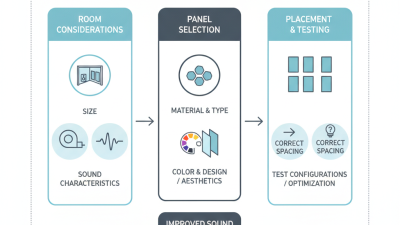
When exploring options for acoustic treatment panels, consider your room's specific needs. Factors like size, purpose, and materials all matter. Panels come in various shapes and sizes. Not all panels work well for every environment. Finding the perfect match requires a bit of trial and error.
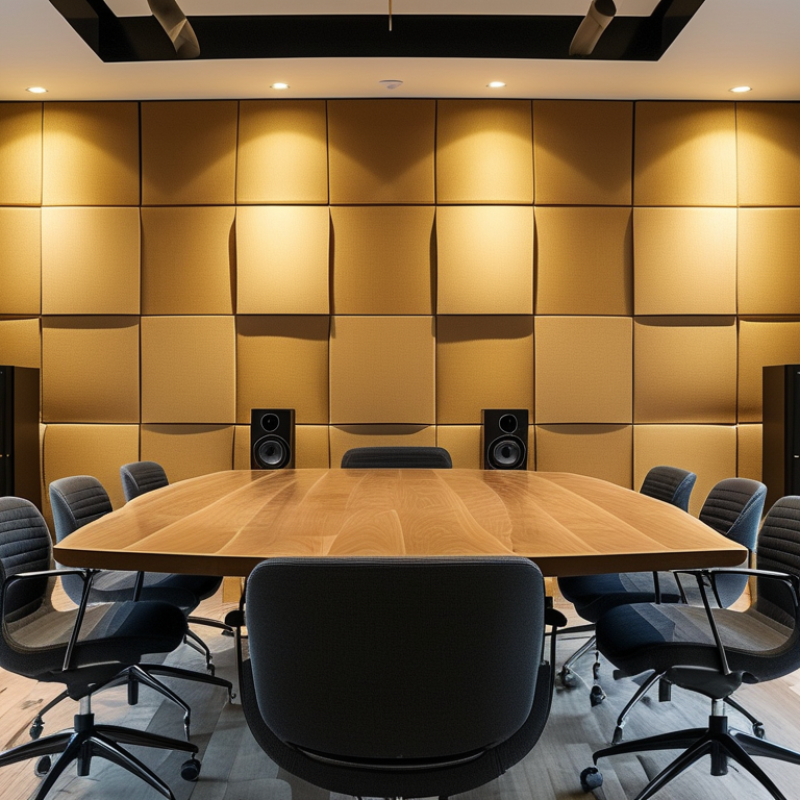
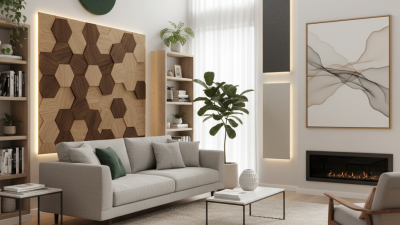
People often overlook the visual aspect of acoustic panels. They can be both functional and attractive. Balancing aesthetics with performance is crucial. However, there is no one-size-fits-all solution. Reflecting on your choices and seeking expert advice is key to achieving the best results.
Understanding Acoustic Treatment and Its Importance
Acoustic treatment is vital for creating an optimal environment for sound. It controls reflections and reduces noise, enhancing clarity. Poor sound quality can affect focus and enjoyment in various spaces. Many underestimate the role of proper acoustics.
Understanding the types of panels available helps in making better choices. Soft materials often absorb sound, while hard surfaces reflect it. Mixing panel types can create a balanced sound profile. It’s not always straightforward; what works in one room may not suit another. Testing different setups can reveal the best options for your needs.
Many people overlook installation aspects. Positioning panels incorrectly can limit their effectiveness. Spend time experimenting with placement before committing. Observing differences in sound can provide insight. Listening closely will guide adjustments. It’s a process that requires patience and reflection.
Identifying Your Space's Acoustic Needs and Challenges
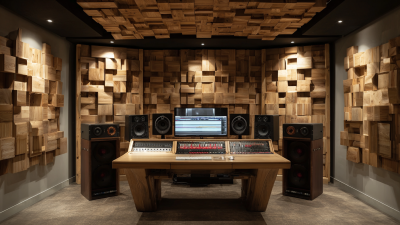
Identifying your space's acoustic needs is crucial. Start by assessing the specific environment you want to improve. Is it a recording studio? A home theater? Each space has unique challenges. Hard surfaces may create excessive echoes, while soft materials can absorb sound, leading to muffled audio.
Measure the dimensions of your room. Pay attention to corners and flat surfaces. Does sound reflect or bounce around? This can affect clarity. Listen closely when speaking or playing music. Are there any areas that sound different? Recording quality relies heavily on balanced acoustics.
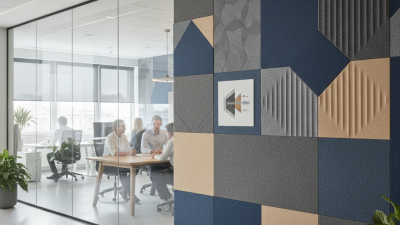
Consider the activities that occur in your space. Different functions might need distinct treatments. A lively meeting room may require clearer audio, while a relaxing lounge needs a soft, enveloping sound. Tailor your choices to these functions. Reflect on how your selections impact the overall atmosphere and functionality of your space.
Types of Acoustic Treatment Panels and Their Functions
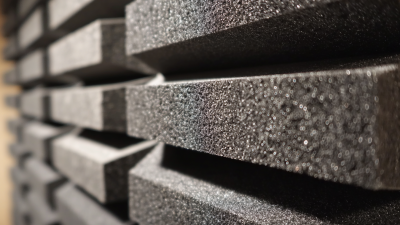
When it comes to acoustic treatment panels, understanding their types and functions is critical for effective sound management. Absorption panels, for instance, are designed to reduce echo and reverb. They are made from materials like foam or fiberglass. These panels work by absorbing sound waves, making them ideal for home studios and music rooms. Their primary role is to create a clearer sound environment.
Diffusion panels, on the other hand, scatter sound waves instead of absorbing them. They help maintain a lively ambiance while minimizing harsh reflections. These panels are often placed in performance spaces and recording studios. Their unique design allows for better sound distribution, which helps to achieve a balanced audio experience. However, finding the right placement can be a challenge, as improper positioning may lead to an uneven sound field.
Another option is bass traps. They focus on minimizing low-frequency buildup. These are typically placed in corners where bass tends to accumulate. While they are effective, users should be aware of the risk of over-treating a space, which can lead to a lifeless sound. Balancing various panel types is key to achieving the desired acoustic quality without compromising the characteristics of the room.
How to Choose the Best Acoustic Treatment Panels for Your Space?
| Type of Panel |
Function |
Material |
Recommended Use |
| Foam Panels |
Sound absorption |
Acoustic foam |
Home studios, practice rooms |
| Fabric-Wrapped Panels |
Sound absorption and diffusion |
Mineral wool, fabric |
Recording studios, auditoriums |
| Wood Panels |
Sound diffusion |
Wood |
Concert halls, galleries |
| Bass Traps |
Low-frequency absorption |
Fiberglass, foam |
Corners of rooms, studios |
| Cloud Panels |
Hanging ceiling absorption |
Acoustic foam, fabric |
Above mixing desks, performance spaces |
Factors to Consider When Selecting Panels for Your Space
When selecting acoustic treatment panels, several critical factors come into play. Room size and shape significantly influence sound behavior. According to industry reports, irregularly shaped rooms may require more tailored solutions than rectangular spaces. In a smaller room, the right panel placement can eliminate echoes and enhance overall sound clarity. It's essential to consider your room's purpose. A music studio might need a different treatment than a home theater.
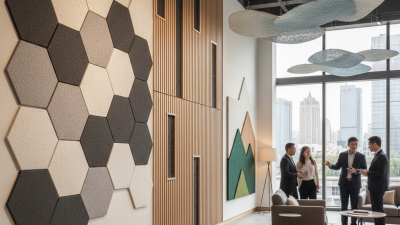
Material type affects acoustics as well. Panels made from porous materials tend to absorb sound better, reducing echo. For example, fiberglass and foam are widely recognized for their effectiveness in sound absorption. It's vital to not overlook aesthetics. Panels come in various colors and designs, enabling them to blend into your décor. However, achieving a balance between functionality and style can be challenging. An ideal choice must meet both sound performance criteria and visual appeal.
Budgetary constraints can complicate the decision-making process. Many assume that expensive products always yield superior results, but this is not always true. Some cost-effective solutions can offer adequate performance with careful placement. It's worth exploring various options to find what fits your needs and space without overspending. Remember, long-term effectiveness often requires reevaluation and adjustment of your choices as your needs evolve.
Installation Tips for Optimal Acoustic Performance
When installing acoustic treatment panels, placement is crucial. Position panels at the first reflection points. This helps to reduce echoes. Measure the height and distance of sound sources. Effective placement will minimize sound waves bouncing around the room. Consider the overall design of your space. Panels should blend with decor while serving their purpose.
Always secure panels properly to avoid any accidents. Use high-strength adhesives or mounting hardware. Be mindful of the surface you're attaching them to. Some surfaces may damage if you remove panels later. Layering panels can enhance sound absorption. Experiment with different arrangements to find what works best.
Once installed, evaluate the acoustic performance. It might not always meet your expectations. You may need to adjust the number or type of panels. This process requires patience and perhaps multiple attempts. Keep track of changes in sound quality. Not all panels will fix your issues on the first try. Stay flexible and willing to reassess your setup.
Acoustic Treatment Panels Performance Comparison