How to Choose the Right Acoustic Treatment Panels for Your Space?
Choosing the right acoustic treatment panels can transform your space. Proper acoustic treatment increases comfort and enhances sound quality. According to a study by the Acoustical Society of America, effective sound management can improve productivity by up to 35%. This statistic highlights the importance of sound control in various environments, from offices to recording studios.
Acoustic treatment panels come in various sizes, materials, and designs. Selecting the right type is crucial. Some panels absorb sound waves, while others diffuse them. For instance, foam panels might be ideal for small rooms, while thicker fabric panels work better in larger spaces. Understanding your unique needs can be challenging, especially with so many options available.
Often, people overlook the design aspect of acoustic panels. Aesthetics should not compromise functionality. Finding a blend between visual appeal and sound absorption is vital. Sticking to conventional choices can lead to suboptimal results. Reflecting on these factors can guide you toward making more informed decisions.
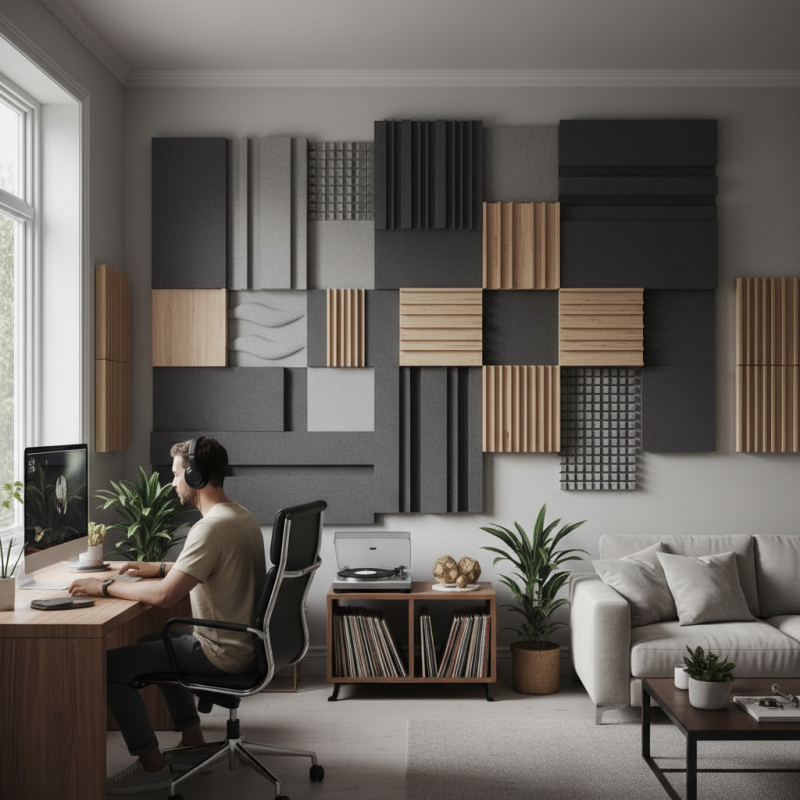
Understanding Acoustic Treatment and Its Importance
Acoustic treatment is essential for creating a balanced sound environment. It's not just about soundproofing; it's about enhancing sound quality. Proper treatment minimizes echoes, reduces noise, and improves clarity. Whether in a studio, office, or home, understanding these benefits can transform your space.
Tips: Start by evaluating your space. Identify where sound issues occur. This could be in corners or flat surfaces. Consider how sound waves travel. Soft surfaces absorb more sound, while hard surfaces reflect it. Look for areas that carry unwanted noise.
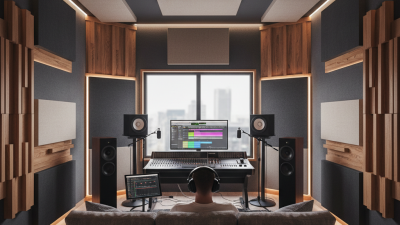
When selecting acoustic panels, think about aesthetics and function. Panels come in various colors and shapes. Choose options that blend with your space. Not all materials provide equal absorption. A mix of foam, fabric, and wood can create a harmonious sound environment. However, remember that investing in quality panels matters more than simply covering every wall.
Experimenting can lead to unexpected outcomes. You might think you need more treatment, but sometimes, less is more. Take time to assess how changes impact your sound. Trusting your ears is key. Listen to the differences before making final adjustments.
Assessing Your Space for Acoustic Needs
Assessing your space for acoustic needs is crucial for creating an optimal listening environment. Different spaces—like studios, offices, or home theaters—have varying requirements. A study from the Acoustical Society of America suggests that 80% of sound perception relies on acoustic treatment. This statistic emphasizes the importance of evaluating how sound travels in your unique setting.
Begin by measuring the dimensions of your room. Larger spaces often require more treatment, with many experts recommending at least 25% of wall surface area be dedicated to acoustic panels. Identify reflective surfaces, like glass or hard floors, that can amplify unwanted echoes. Notice how voices and music resonate in your space; if it feels too lively or echoey, it’s a sign you need to act.
Don’t overlook corner areas. They are notorious for bass buildup and might require bass traps. If your room has odd shapes or furniture arrangements, be mindful. Sound can behave unpredictably in such spaces, making your treatment choices more complex. Creating a balanced acoustic environment often involves trial and error. You may find that some treatments work better than others, prompting you to reassess and adjust accordingly.
Identifying Different Types of Acoustic Panels
When selecting acoustic treatment panels, understanding the types available is crucial. There are several options. Absorption panels reduce echo and ambient noise. They are essential in recording studios. Diffusion panels scatter sound waves evenly. They help to maintain the vibrancy of a space. Each type serves a unique purpose.
According to a report by the Acoustical Society of America, proper acoustic treatment can improve sound quality by over 30%. This statistic highlights the significance of choosing the right panels. However, many users struggle with this choice. Some may favor aesthetics over functionality. Others may underestimate the impact of panel thickness. Thicker panels absorb lower frequencies better. But not all spaces are suitable for thick panels.
Cost can also be a concern. A budget-friendly option might compromise quality. In contrast, higher-end panels can provide better results but at a steep price. Ultimately, the selection should balance need and budget. As users reflect on their choices, they may find they overlooked key factors.
How to Choose the Right Acoustic Treatment Panels for Your Space? - Identifying Different Types of Acoustic Panels
| Panel Type |
Material |
Thickness (inches) |
Sound Absorption Coefficient (NRC) |
Best Use Case |
| Foam Panels |
Polyurethane Foam |
2 |
0.70 |
Home studios |
| Fiberglass Panels |
Fiberglass |
2 |
0.95 |
Auditoriums |
| Wooden Panels |
Wood |
1.5 |
0.60 |
Home theaters |
| Bass Traps |
Rockwool |
4 |
1.00 |
Control low frequencies |
| Fabric Wrapped Panels |
Fabric over fiberglass |
1 |
0.85 |
Offices and meeting rooms |
Choosing Materials and Styles for Your Acoustic Panels
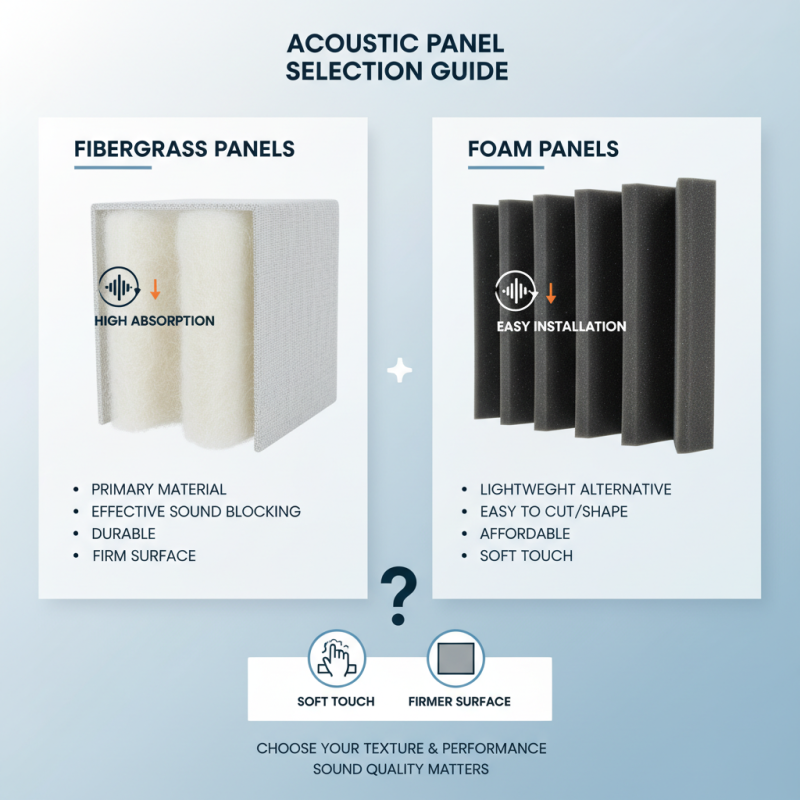
When selecting acoustic treatment panels, materials and styles play a crucial role. Start by considering the primary material. Fiberglass panels are popular for their effective sound absorption. Foam panels offer a lightweight alternative, suitable for easy installation. Both have unique properties that impact sound quality. Do you prefer a soft touch or a firmer surface? Choosing the right texture is important.
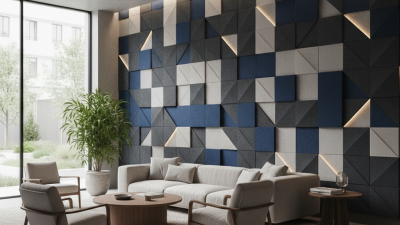
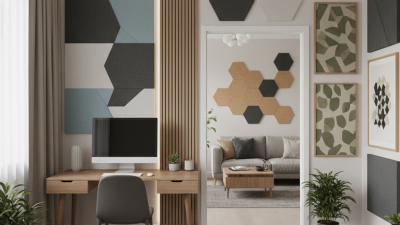
The style of the acoustic panels can also affect your space. Bright colors can energize a room, while muted tones create calm. Consider your overall décor. How do the panels blend in? Some may look out of place or clash with your aesthetic. Reflect on the visual impact as much as the acoustic benefit. There are also panel sizes and shapes to think about. Larger panels may cover more area, but smaller ones allow for creative arrangements.
Ultimately, the right choice depends on your specific needs. Test different types in your environment. Pay attention to how they alter sound. This is a journey of trial and error. If a panel works in one room, it might not carry the same effect in another. Keep experimenting until you find the perfect match for your soundscape.
Installing and Arranging Panels for Maximum Effectiveness
When installing acoustic treatment panels, placement is key. Consider the size and shape of your room. Look for areas where sound reflects the most, like corners and flat walls. These spots can create echoes that disrupt sound clarity. Use a mirror method to identify these reflections. Have someone move a mirror along the wall while you sit in your listening position. This will help you find the best locations for your panels.
Arranging the panels requires thought. A common technique is to cover first reflection points. Place panels at ear height, ensuring they absorb sound waves directly. This can improve sound quality significantly. However, don’t overload one area; distribute panels evenly across the space. Sometimes, you might find a spot where the effectiveness seems lacking. Be ready to experiment with arrangements. Move panels around and listen again. It can take time to achieve the desired balance, but patience pays off in creating a better acoustic environment.
Acoustic Treatment Effectiveness by Panel Type