
Blog
How to Choose a Bottle Labeling Machine in 2026?
Choosing a Bottle Labeling Machine in 2026 requires more than comparing speed ratings. Bottle shape, label material, adhesive behavior, product temperature, and cleaning routines can change the result dramatically. A machine that labels 200 bottles per minute in a showroom may perform differently beside a wet filler, under uneven lighting, or during frequent format changes.
PMMI’s 2024 State of the Industry report valued U.S. packaging machinery shipments at approximately $10.2 billion in 2023. That figure reflects continued investment, but it does not guarantee a suitable purchase. Smithers’ packaging research also identifies automation, traceability, and sustainable materials as major development pressures. These trends matter when evaluating servo control, inspection cameras, recyclable labels, and data connectivity. They matter on the factory floor.
Pat Reynolds, a longtime packaging-machinery journalist and former Packaging World editor, expressed a practical buying principle: “The best machine is the one that consistently meets the application’s requirements.” It sounds simple. It is not always followed.
This guide examines labeling accuracy, container handling, changeover time, operating speed, maintenance access, and total cost of ownership. It also considers operator experience, because complicated controls can create avoidable errors. Ask for production trials using your actual bottles and labels. Measure reject rates, not only headline speed. Review energy use and spare-parts support, too.
Some recommendations may remain imperfect. Every plant has different constraints. A compact tabletop unit may suit a growing producer, while a rotary system may better serve continuous, high-volume production. The careful choice begins with evidence, not impressive brochures.
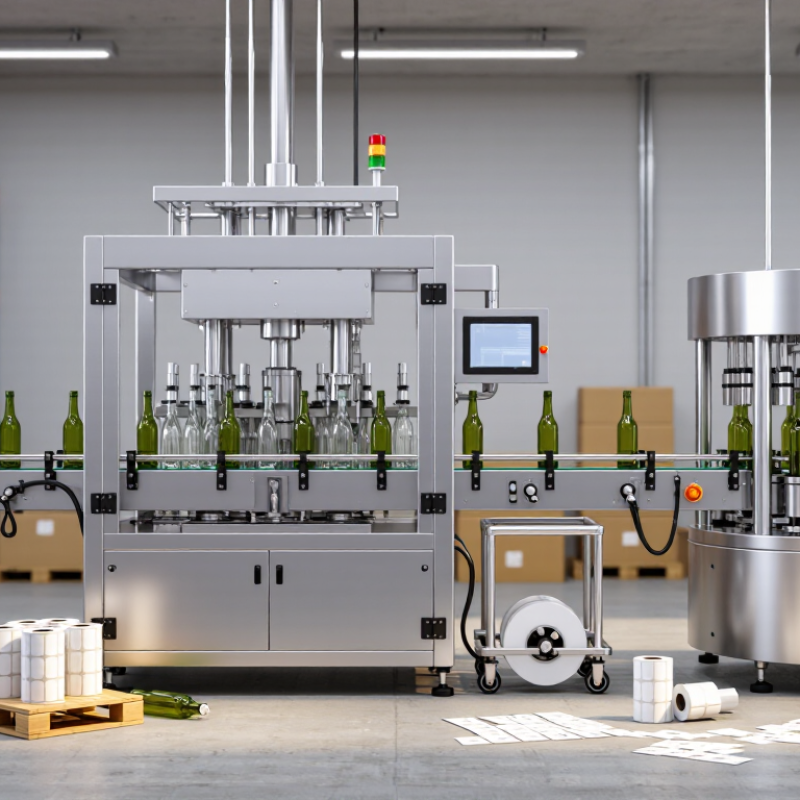
Define Your Bottle Labeling Requirements and Production Goals
Define Your Bottle Labeling Requirements and Production Goals
Before comparing a bottle labeling machine, measure the containers you actually use. Record bottle height, diameter, shape, and material, including any variations between suppliers. A small change in diameter can affect label placement. Note whether labels go on the front, back, or around the full circumference. Bring sample bottles and labels to equipment trials; drawings alone may miss surface curves or slippery finishes.
Set a realistic production target. Count bottles per hour during a normal shift, then consider peak demand, changeovers, and time spent cleaning or refilling labels. A machine rated for high speed may not help if operators need frequent adjustments. Decide how much placement variation your product can tolerate, and ask how alignment is checked. We once focused too heavily on hourly output. That was not the whole story.
Tips: Test several filled bottles, not just empty samples. Check label adhesion after a day, and watch a full changeover. Keep notes on setup time, jams, and rejected bottles. Small details matter. If your volumes may grow, identify which parts can be upgraded later. Leave some room for uncertainty; production plans change, sometimes sooner than expected.
How to Choose a Bottle Labeling Machine in 2026? — Define Your Bottle Labeling Requirements and Production Goals
| Requirement | What to Define | Example Planning Data | How It Affects Machine Selection |
|---|---|---|---|
| Bottle shape and dimensions | Record bottle height, body diameter or width, taper, shoulder shape, and any recessed or textured areas. Include drawings or representative samples. | Round bottle: 65 mm body diameter, 180 mm height. Measure the actual production container rather than relying only on nominal capacity. | Round bottles commonly suit wraparound labeling. Flat or oval bottles may need front-and-back labeling with guides or a container-stabilizing system. Irregular shapes may require custom handling and testing. |
| Container material and stability | Identify the container material, wall stiffness, surface finish, and whether bottles are empty or filled during labeling. | Rigid glass or PET bottles are generally easier to handle than lightweight, flexible containers; confirm performance with production samples. | Lightweight or flexible bottles may need gentler side belts, controlled pressure, or additional support to prevent tipping, deformation, or scuffing. |
| Label type and application | Specify pressure-sensitive labels, glue-applied paper labels, or shrink sleeves, plus the number and position of labels on each bottle. | One pressure-sensitive wraparound label, or two pressure-sensitive labels on the front and back. | The label format determines the application method and machine configuration. Shrink sleeves typically require sleeve placement and a separate heat-shrinking process. |
| Label dimensions and roll details | Provide label width and height, gap or mark details, roll direction, core diameter, maximum roll diameter, and unwind direction. | Example label: 100 mm high × 180 mm long. Confirm all roll specifications with the label converter before ordering equipment. | These details determine whether the label web, unwind assembly, sensors, and applicator can run the intended label without frequent roll changes or feeding issues. |
| Label position and accuracy | Define label height, distance from the bottle base or shoulder, overlap or gap, and acceptable placement tolerance. | Example target: label center positioned 80 mm above the bottle base, with a documented tolerance agreed during testing. | Consistent positioning may require bottle orientation, registration marks, sensors, or a wrap belt. Final achievable accuracy depends on bottle and label consistency, machine setup, and operating conditions. |
| Required production rate | Calculate the required good bottles per hour from shift length, planned output, product mix, and expected downtime. | 6,000 bottles over an 8-hour shift equals 750 good bottles per hour on average, before accounting for breaks, changeovers, and stoppages. | Compare the required sustained output—not just a supplier's maximum speed—with the machine's performance on your bottle and label combination. Request a witnessed run test. |
| Product range and changeovers | List bottle sizes, label sizes, recipes, and how often operators switch between products. | Three bottle formats and two label sizes, with one changeover per shift. | Frequent changeovers increase the value of quick-adjust guides, clear setup references, stored recipes, and tool-less adjustments. Ask for a timed changeover demonstration. |
| Line layout and integration | Document conveyor height and direction, available floor space, bottle spacing, upstream and downstream equipment, and required line signals. | Infeed from the left, continuous conveyor, and an existing downstream inspection station. | Check conveyor compatibility, line speed control, accumulation needs, guarding, and start/stop communication before specifying the machine. |
| Inspection and rejection | Decide whether the line must detect missing, skewed, wrinkled, or incorrect labels and what should happen to nonconforming bottles. | Camera checks label presence and basic position; a reject device removes detected out-of-spec bottles. | Vision inspection and rejection add equipment and validation requirements. Define inspection criteria and test known defects before acceptance. |
| Operating environment | Specify temperature, humidity, washdown practices, dust, product splashes, and cleaning chemicals. | Frequent wet cleaning may require suitable guarding, electrical protection, and compatible materials. | Choose construction and protection levels that match the actual cleaning and production environment; confirm chemical compatibility with equipment suppliers. |
| Staffing, maintenance, and support | Define operator experience, preventive-maintenance capability, spare-parts expectations, and support response needs. | One operator runs the line; maintenance staff perform routine checks and basic adjustments. | Evaluate access to wear parts, manuals, training, troubleshooting tools, and local service. Include these needs in the purchase specification. |
| Acceptance testing | Agree on test bottles, label rolls, run duration, target speed, acceptable placement, reject criteria, and documentation before purchase. | Run the intended production formats at the agreed sustained rate and record output, defects, stops, and changeover time. | A representative acceptance test helps confirm that the complete bottle, label, and machine combination meets production goals—not just a theoretical speed rating. |
Planning note: Example figures are illustrative, not universal machine specifications. Confirm dimensions, output, accuracy, compatibility, and acceptance criteria using your actual bottles, labels, and production conditions.