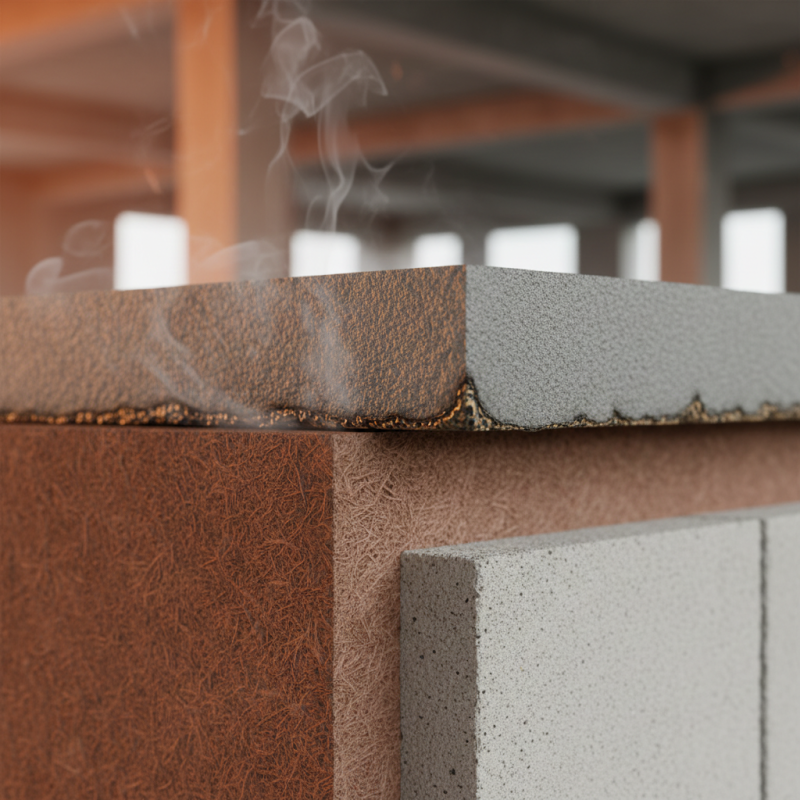
Why Choose Fire Resistant Polyurethane for Your Projects?
Fire Resistant Polyurethane is gaining attention in various industries. Its unique properties make it an essential choice for many projects. This material combines durability with enhanced fire resistance, providing an effective barrier against flames.
In construction, fire resistant polyurethane increases safety for buildings and occupants. It resists ignition and slows down fire spread, which is a crucial advantage. The material maintains structural integrity even under high temperatures, making it a reliable option.
However, it is important to evaluate specific project needs before making a choice. Not all applications may benefit equally from this material. Understanding the nuances of fire resistant polyurethane can lead to better decisions and improved outcomes in project planning.
Benefits of Fire Resistant Polyurethane in Construction Applications
Fire resistant polyurethane is gaining traction in construction applications due to its unique benefits. This material helps improve safety by reducing the spread of flames. Its chemical structure allows it to withstand high temperatures, providing valuable time for evacuation during emergencies. Buildings made with this material can better protect their occupants.
Beyond safety, fire resistant polyurethane offers durability. It resists various environmental factors, including moisture and pests. This resilience helps maintain the building's integrity over time. However, installers must apply it properly. A poorly applied layer may lead to vulnerabilities, emphasizing the need for expertise in the material's use.
The insulation properties of fire resistant polyurethane also contribute to energy efficiency. By keeping buildings cooler or warmer as needed, it reduces energy costs. This characteristic benefits both the environment and the pocketbook. Still, the initial cost of fire resistant polyurethane can be a consideration. The long-term savings may justify this expense, but not every project will find it warrants the investment.
Understanding the Fire Performance Ratings of Polyurethane Materials
Fire performance ratings are crucial when choosing material for construction projects. Polyurethane materials are commonly used in various applications, but their fire resistance varies significantly. Understanding these ratings helps in selecting the right product for your needs. Polyurethane can be treated with additives to enhance its fire resistance. The ratings typically range from Class A to Class C. Class A materials have the highest resistance, making them suitable for high-risk areas.
Tips: Always check for the latest fire performance standards. Different project requirements may dictate the need for specific ratings. Ensure materials are tested according to national or international standards for reliability.
When evaluating polyurethane products, consider their application. Not all fire-resistant polyurethanes are created equal. Factors such as density, thickness, and additives impact performance. It's essential to research each product thoroughly. Sometimes, products might seem promising but fall short in practical fire tests.
Tips: Engage with professionals who specialize in fire safety. Their insights can guide you towards better decisions. Remember, fire resistance is not just about meeting codes; it’s about safeguarding lives and property. Take the time to reflect on your choices.
How Fire Resistant Polyurethane Enhances Workplace Safety Standards
Fire-resistant polyurethane is vital for enhancing workplace safety standards. It is designed to withstand high temperatures and resist ignition, making it an excellent choice for various applications. Its unique properties help in preventing fires from spreading, providing crucial time for evacuation. Imagine a factory setting where equipment malfunctions, causing sparks. Fire-resistant polyurethane can contain the situation, protecting workers.
Integrating this material into construction and design also has lasting benefits. It not only meets safety regulations but also boosts overall workplace resilience. However, implementing fire-resistant solutions can require more investment upfront. Companies might grapple with budget constraints while trying to ensure safety. Balancing cost with safety is a challenge worth considering.
Moreover, regular training and awareness on fire safety are essential. Even with the best materials, human error can lead to accidents. Fire-resistant polyurethane enhances safety but can give a false sense of security. Regular inspections and drills are necessary to maintain high safety standards, ensuring that the use of this material is truly effective in protecting lives.
Cost Analysis: Long-term Savings with Fire Resistant Polyurethane Products
Choosing fire-resistant polyurethane for your projects can lead to significant long-term savings. While the initial investment might be higher, the potential costs of fire damage are much greater. This material enhances safety and minimizes risk. It can reduce insurance premiums and lower repair expenses. With fire-resistant features, projects are more resilient and environmentally friendly.
Looking closer at cost analysis, installation of fire-resistant materials can deter potential disasters. The savings in terms of fire prevention can outweigh the upfront costs. Projects featuring fire-resistant polyurethane may last longer, needing less frequent replacements. In industrial and commercial settings, this aspect is especially critical. Consider the impact on overall budget and expenses over time.
Despite the benefits, one must consider application challenges. Proper installation is key, and not all teams may have experience. Verification of fire ratings is also essential. It's wise to engage knowledgeable professionals in this field. Evaluating long-term benefits against initial hurdles is crucial for an informed decision. An investment today can result in safety and savings in the future.
Industry Approval: Recognized Certifications for Fire Resistant Polyurethane
Fire resistant polyurethane is gaining traction across various industries due to its recognized certifications. Widely acknowledged standards demonstrate its ability to resist flames and limit damage. These certifications ensure that products not only meet regulatory requirements but also prioritize safety. For builders and contractors, having assurance from these certifications is crucial when selecting materials.
The manufacturing process for fire resistant polyurethane involves complex formulations. Experts in materials science continually evaluate these formulas for effectiveness. This expertise is vital in producing materials that can withstand high temperatures. However, the market sometimes lacks consistency in the certification process. Not every product labeled fire resistant lives up to the standards. It’s important for buyers to verify certifications and claim authenticity.
Investing in fire resistant materials can prevent catastrophic losses. For projects requiring durability and safety, fire resistant polyurethane presents a reliable choice. Users should periodically review the latest certification advancements, ensuring they utilize the best options available. Each decision influences overall project safety, making informed choices essential for long-term success.
Fire Resistance Ratings of Polyurethane Insulation Materials