How to Choose the Best Single Piece Wet Wipes Machine?
Choosing the best Single piece wet wipes machine is a critical decision for manufacturers in the hygiene industry. The global wet wipes market is expected to grow significantly, surpassing $25 billion by 2027, as reported by Grand View Research. Advanced technology and consumer demand drive this growth. Industry expert Dr. Alice Thompson emphasizes, “Opting for the right machine can drastically influence both production efficiency and product quality.”
When selecting a single piece wet wipes machine, one must consider various factors. Automation capabilities, production speed, and customization options are crucial. Each detail can impact overall workflow. The efficiency of the machine can determine profit margins. A poorly chosen machine can lead to wasted resources and time.
Moreover, challenges may arise during this selection process. Not all machines are designed for every type of wet wipe product. Some may struggle with thicker materials. Others may face speed limitations. Balancing price and performance is often tricky. Thus, thorough research and expert consultation are essential steps in making an informed decision.
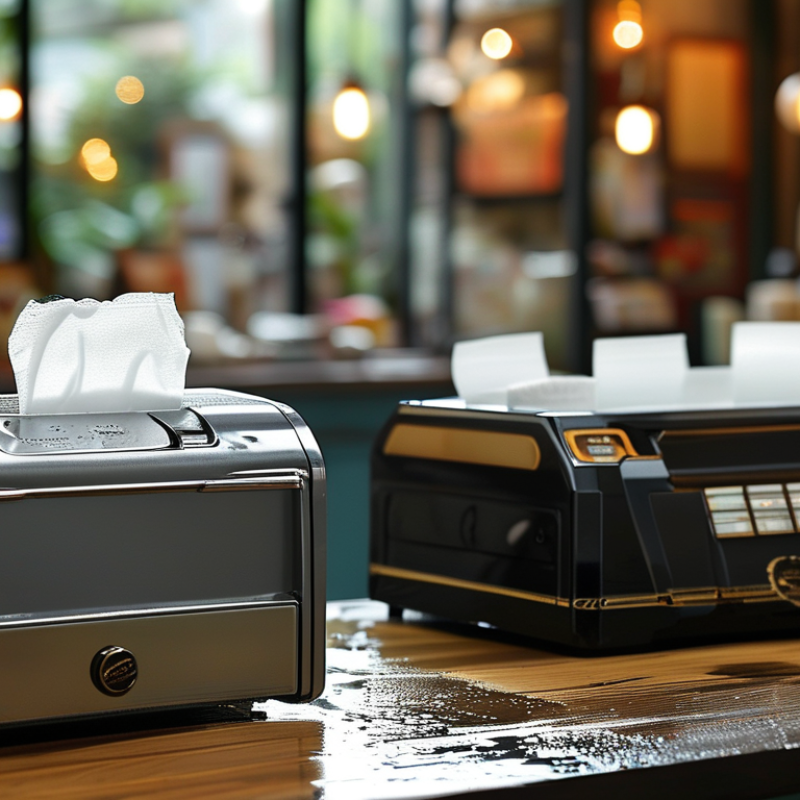
Factors Influencing the Selection of Wet Wipes Machines
When selecting a single piece wet wipes machine, several factors come into play. The machine's capacity is crucial. Higher capacity increases production efficiency. Consider the types of wipes you plan to produce. Different materials may require specific machines. Assess whether the machine can adapt to various materials. Flexibility in production is valuable.
Another significant factor is the ease of operation. An intuitive interface simplifies the training of new operators. Maintenance needs should also influence your choice. Machines that are difficult to clean can lead to downtime. Opt for models that offer easy access for maintenance. This aspect can save time and costs in the long run.
Energy efficiency is an often-overlooked detail. Machines that consume less energy decrease operational expenses. Check the machine’s certifications for energy use. Finally, consider the machine's footprint. A large machine requires more space. Ensure the layout of your production area can accommodate it. Reflect on these aspects carefully to make an informed decision.
Comparative Analysis of Single Piece vs. Bulk Wet Wipes Production
When considering single piece versus bulk wet wipes production, there are several factors to weigh. Single piece production offers flexibility and caters to consumers seeking convenience. These wipes are typically individually packaged, allowing for ease of use and portability. In contrast, bulk production focuses on cost-effective solutions but may sacrifice personal convenience.
One notable aspect is the equipment required for each type of production. Machines for single-piece wipes must ensure precise cutting and packaging to maintain hygiene standards. In comparison, bulk production machinery is built for speed and mass production but may not deliver the same quality finish. It’s crucial to evaluate the required output and market demand before deciding.
**Tip:** Always assess the target market’s needs before investing. Understanding consumer preferences can guide you in choosing the right production method.
Consider the environmental impact as well. Single-piece wipes often use more packaging material, potentially increasing waste. Bulk production may have a lower environmental footprint, but inconsistency in quality could lead to wasted products.
**Tip:** Explore sustainable materials for packaging and wipes, balancing quality with environmental responsibility.
Ultimately, the choice between single piece and bulk wet wipes production hinges on market needs, desired quality, and sustainability considerations. Each has strengths and weaknesses. Reflecting on these factors is crucial for making the best decision.
How to Choose the Best Single Piece Wet Wipes Machine? - Comparative Analysis of Single Piece vs. Bulk Wet Wipes Production
| Feature | Single Piece Wet Wipes Machine | Bulk Wet Wipes Machine |
| Production Capacity | Up to 2000 pieces per hour | Up to 5000 pieces per hour |
| Initial Investment | Lower ($10,000 - $30,000) | Higher ($30,000 - $100,000) |
| Flexibility | High, can produce various sizes | Moderate, typically limited to set sizes |
| Waste Production | Minimal | Higher due to bulk processing |
| Maintenance | Generally easier | More complex and frequent |
| Market Demand | Growing for personalized products | Stable for traditional bulk products |
Key Technical Specifications for Efficient Wet Wipes Machines
Choosing the right wet wipes machine involves understanding its technical specifications. These machines can range in complexity, but certain features are essential for efficient production. A high-quality machine should maintain consistency in the size and quantity of wipes. This impacts user experience and product reliability.
Look for machines with adjustable settings. This flexibility allows manufacturers to switch between different types of wipes easily. The ability to adjust parameters leads to better control over production quality. Consider the machine's speed and output capacity as well. Machines that operate quickly while maintaining standards can boost productivity significantly.
Tips: Evaluate the ease of maintenance. A machine that's difficult to clean can lead to downtime. Also, think about the machine's footprint. A compact design might be essential for smaller facilities. It's crucial to find a balance between size and functionality. Always consider uptime and potential breakdowns. Machines with more complex technology might require specialized knowledge for repairs. Choosing the right machine is about finding the perfect mix of specifications and practical needs. Every detail counts.
Cost-Benefit Analysis of Different Wet Wipes Machine Brands
When selecting a single piece wet wipes machine, it's essential to conduct a thorough cost-benefit analysis. Different brands offer various features and pricing structures. One machine may be cost-effective upfront but lack longevity. Another may be pricier, but its durability and efficiency could lead to lower long-term costs.
When evaluating brands, consider their reliability and support services. Some machines may seem appealing due to lower costs, but hidden maintenance fees can add up. It's crucial to calculate total ownership costs over time. Seek experiences from existing users. Reviews and feedback provide insights into the real performance of the machines.
In the end, weigh the initial investment against operational efficiency. An efficient machine can save you time and labor costs. Aim for machines that provide the best balance of quality and cost. Remember, the cheapest option isn't always the best one in the long run. Reflect on your specific needs and usage patterns.
Trends in Wet Wipes Machine Technology and Market Demand Insights
In recent years, the wet wipes market has seen significant shifts. With increasing demand for convenience and hygiene, manufacturers are adapting their production techniques. Key trends include automation and eco-friendly materials. These advancements improve efficiency while addressing environmental concerns.
Tip: When evaluating machines, prioritize energy efficiency and waste reduction features. This ensures your production aligns with sustainability goals while minimizing operational costs.
The shift toward
customized solutions is notable. Companies are seeking machines that can produce various sizes and types of wipes. This flexibility allows businesses to respond quickly to market changes. It's important to remain aware of
emerging technologies, as they could redefine your production capabilities.
Tip: Regularly research cutting-edge technologies. Staying updated can give you a competitive advantage, especially as consumer preferences evolve. Consider machine reliability as well; downtime can significantly impact productivity. Adaptability in production is essential for long-term success.