2026 How to Choose the Best Condensing Unit For Walk-In Cooler?
Choosing the right condensing unit for a walk-in cooler is crucial for optimal performance and energy efficiency. According to the U.S. Department of Energy, poorly designed systems can account for up to 30% of energy waste in refrigeration. This emphasizes the need for a carefully selected Condensing Unit For Walk-In Cooler applications.
Professionals in the refrigeration industry recommend considering factors like size, energy efficiency ratings, and operational environment. For instance, proper sizing ensures that the unit maintains the desired temperature while minimizing energy consumption. Reports from industry experts suggest that energy-efficient units can reduce operational costs by 15-30%.
Many businesses overlook the importance of proper maintenance and unit selection. This can lead to frequent breakdowns, resulting in costly repairs and product loss. Ensuring you have the best condensing unit for walk-in cooler needs is not just a matter of preference; it's a necessity for sustainable operations in today’s competitive market.
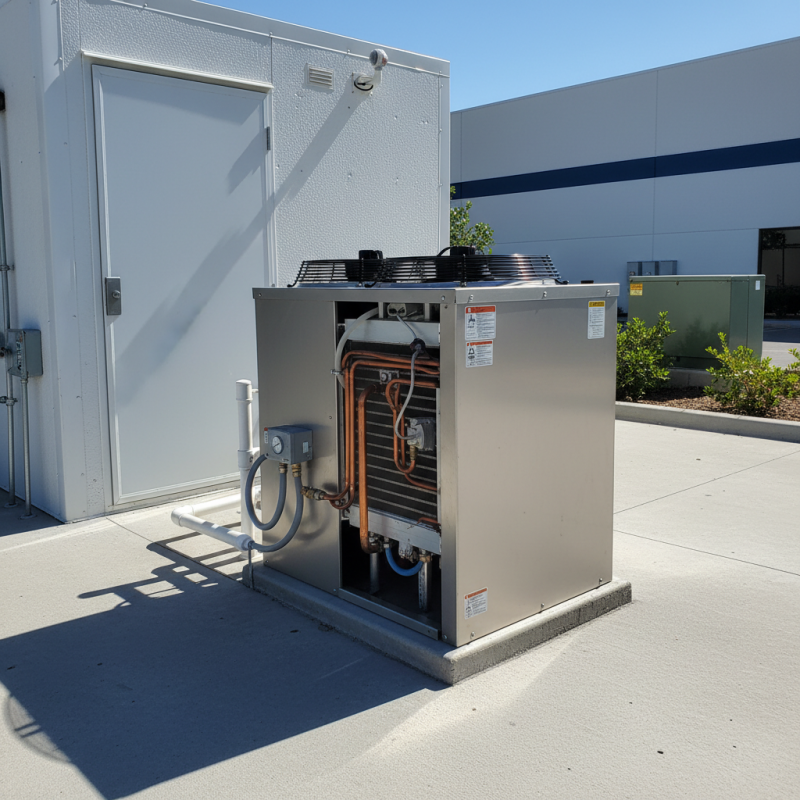
Understanding the Basics of Condensing Units for Walk-In Coolers
When selecting a condensing unit for your walk-in cooler, understanding the basic components is crucial. A condensing unit extracts heat from the cooler's interior. It consists mainly of a compressor, condenser, and fan. Each part plays a role in maintaining the temperature inside the cooler. The compressor circulates refrigerant, cooling it before it enters the condenser. An efficient condensing unit ensures consistent performance, essential for food safety.
Consider the size of your walk-in cooler. An oversized unit can lead to energy wastage. Conversely, an undersized unit may struggle to maintain the desired temperature. The demand for refrigeration varies based on the products stored. Therefore, knowing your storage needs can guide the selection process. Assessing your space, location, and insulation quality will also impact your decision.
Moreover, energy efficiency should not be overlooked. Look for units with higher efficiency ratings. These can save money in the long run. Regular maintenance is vital for reliable operation. A well-maintained unit performs better and lasts longer. Ensuring proper installation is equally important. An incorrectly installed unit can lead to cooling inefficiencies. Continuous evaluation of performance is necessary for long-term satisfaction.
Key Factors to Consider When Selecting a Condensing Unit
When choosing a condensing unit for a walk-in cooler, several factors demand careful consideration. The capacity is critical, as it influences efficiency. Select a unit that matches the cooling load requirements. According to the U.S. Department of Energy, an oversized unit can lead to short cycling, which wastes energy and reduces lifespan.
Energy efficiency is another vital aspect. Look for units with a high Energy Efficiency Ratio (EER) to minimize operational costs. Reports from the American Society of Heating, Refrigerating and Air-Conditioning Engineers (ASHRAE) indicate that energy-efficient units can save businesses up to 30% on energy bills. Moreover, refrigerant choice matters. With recent legislation phasing out certain refrigerants, selecting a unit that uses eco-friendly options ensures compliance and sustainability.
Installation and maintenance also require attention. A poorly installed unit can lead to inefficiencies and higher repair costs. Regular maintenance is essential for optimal performance. Studies show that neglected units can lose up to 20% in efficiency over time. It’s advisable to partner with qualified professionals to ensure proper installation and upkeep, ultimately extending the unit's lifespan while maintaining reliable operation.
Comparing Different Types of Condensing Units for Efficiency
Choosing the right condensing unit for your walk-in cooler can be a daunting task. There are several types available, each with unique efficiencies and characteristics. For instance, a remote condensing unit might be beneficial if you're looking for high energy efficiency. These units are located outside, reducing heat in your cooler space. However, installation costs can be higher.
On the other hand, a self-contained condensing unit is easier to install. It combines both the evaporator and condenser in one unit. While they are less energy-efficient, they can be a good fit for smaller spaces. Maintenance is often simpler, making them appealing to some operators. Yet, they can generate more heat within the cooler, which might increase energy costs over time.
It’s important to consider your specific needs and the environment in which the unit will operate. Compare the initial costs against long-term energy savings. While a higher upfront investment in a more efficient model might seem daunting, it could lead to significant savings down the line. Reflecting on your priorities regarding efficiency versus cost can guide your decision effectively.
Assessing Size and Capacity Requirements for Your Walk-In Cooler
When choosing a condensing unit for your walk-in cooler, assessing size and capacity is key. A proper calculation will ensure efficiency and reliability. Walk-in coolers come in various sizes, so understanding your storage needs is essential. Gather data on the items you'll store. Consider the daily volume and frequency of restocking. This information will guide you to the right unit size.
For accuracy, calculate the total cubic footage of your cooler. Measure height, width, and depth. Multiply these dimensions. Then, consider the insulation value of your cooler. Better insulation allows for smaller units to work effectively. Don't underestimate the impact of ambient temperature in your location, too. Higher temperatures require more cooling capacity.
Tips: Always round up your capacity needs. It’s better to have a little extra power than to come up short. Monitor the cooler's performance after installation. Adjustments might be needed based on actual use. Understand that not every unit will fit perfectly. Flexibility in your planning can prevent costly mistakes later on.
Maintaining Your Condensing Unit for Optimal Performance and Longevity
A well-maintained condensing unit is vital for the optimal performance of walk-in coolers. Industry studies show that regular maintenance can increase unit efficiency by as much as 15%. This not only saves energy costs but also prolongs the lifespan of the equipment. A typical condensing unit could last anywhere from 10 to 20 years when cared for properly. However, inadequate maintenance often leads to failures that can shorten this lifespan.
Routine checks should include cleaning coils, inspecting electrical components, and assessing refrigerant levels. Research indicates that over 30% of cooling unit issues stem from dirty coils, which hinder heat exchange. A simple monthly check can prevent significant complications. Technicians often overlook the importance of timely repairs, leading to a cascade of failures. This neglect can increase repair costs and downtime.
Monitoring compressor performance is crucial. An underperforming compressor can raise energy consumption by 20%. Addressing issues promptly can optimize efficiency. Operators should document maintenance activities, noting any irregularities. This record can provide insights for future improvements. Even minor lapses can have long-term repercussions on efficiency and reliability. Regular attention pays dividends in the long run.