How to Choose the Best Bottom Roller for Your Needs?
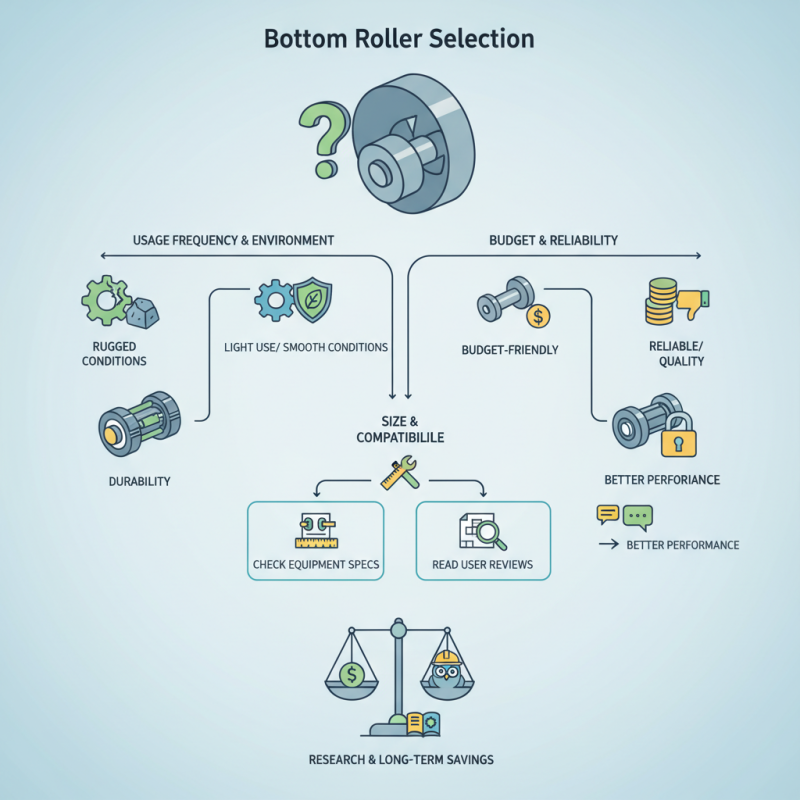
Choosing the right Bottom Roller for your specific needs can be daunting. Many options exist, and each has unique features. It's essential to understand how different types of Bottom Rollers can affect your work.
Consider your usage frequency and environment. If you're working in rugged conditions, durability becomes crucial. Your roller should handle wear and tear effectively. A budget-friendly option might tempt you, but is it reliable? Sometimes, cheaper models fail sooner and don’t offer good performance.
Don’t overlook the roller's size and compatibility with your equipment. A poor fit can lead to operational issues. It's worthwhile to read reviews from other users. Their insights can shed light on performance you might not have predicted. Ultimately, the choice of a Bottom Roller is not just about immediate cost. Investing time in research can save you trouble in the future. Make a choice that balances quality and your practical needs.
Understanding the Functionality of Bottom Rollers in Applications
Bottom rollers play a crucial role in various applications, particularly in material handling and transportation systems. They support the weight of the materials being transported and ensure smooth movement across different surfaces. The functionality of these rollers can significantly affect the overall efficiency of operations.
When choosing a bottom roller, consider its load capacity, material, and size. A roller designed for heavy loads will perform differently from one meant for lighter applications. Different materials can enhance durability but might also influence cost. Pay attention to the environment where the roller will be used. Factors like temperature and exposure to moisture can impact performance.
Evaluating your specific needs is essential. It is not just about choosing any roller but finding one that integrates seamlessly into your system. Examine any limitations or challenges associated with different options. A thorough understanding of these elements can lead to improved productivity and reduced downtime. Sometimes, the perfect fit might seem unattainable. It’s worth revisiting your requirements periodically to ensure all choices align with current operations.
Identifying Your Specific Needs and Requirements for Bottom Rollers
When selecting a bottom roller, it's crucial to identify your specific needs. Consider factors such as weight capacity and application type. Do you need a roller for heavy machinery or lighter equipment? Knowing the exact usage can narrow down your choices significantly.
Another important aspect is the material of the roller. Different materials offer various levels of durability and resistance. Think about the environment the roller will be used in, whether it’s indoor or outdoor. Reflecting on these details ensures you select the right product.
Sometimes, users overlook the size and dimensions of the roller. A roller that is too large or small can affect performance. Take accurate measurements to avoid mismatches. Each detail adds to the overall effectiveness. In some cases, pre-made options may not meet all needs, requiring custom solutions. Understanding these factors leads to better decision-making.
Bottom Roller Comparison: Key Specifications
Evaluating Different Materials and Designs for Bottom Rollers
Choosing the right bottom roller involves understanding different materials and designs. The material of the bottom roller impacts durability and performance. For instance, steel rollers are robust and long-lasting. However, they can be heavy and may rust over time. In contrast, plastic or composite rollers are lightweight and resistant to corrosion. These materials might not last as long but are easier to handle.
Design also plays a critical role in functionality. Some rollers come with a smooth surface, ideal for quiet operation and minimal wear on tracks. Others feature textured surfaces that provide better grip but may create noise. It's essential to consider the environment in which the roller will be used. Wet or uneven surfaces may necessitate a specific design to enhance stability and performance.
One common oversight is neglecting to match the roller's size with the intended application. A roller that is too small may lead to excessive wear, while one that is too large may be cumbersome. These factors should be evaluated closely. Take time to assess each option. Your choice can significantly influence efficiency and safety in operations.
Comparing Brand Options and Their Reputation in the Market
Choosing the right bottom roller is crucial. Various brands offer different options. When evaluating these brands, reputation is vital. According to industry reports, performance reliability and customer feedback can significantly influence purchasing decisions. A respected brand typically ensures better durability and efficiency.
Tip: Research customer reviews. Look for comments on durability and service life. This information provides insights into user experiences. Keep in mind that even well-regarded brands may have occasional product defects. It’s essential to analyze reviews on multiple platforms to get a balanced view.
In addition to reviews, consider technical specifications. Understanding load capacities and materials can make a difference. Some brands excel in specific areas, but may lack in others. Check for warranty provisions. A strong warranty reflects manufacturer confidence and should not be overlooked.
Maintenance and Longevity: Choosing Durable Bottom Rollers
Selecting durable bottom rollers is crucial for optimal performance. These components endure significant wear and tear in various environments. Therefore, it's essential to understand the materials used in their construction. Steel rollers offer strength, while polyurethane options provide resistance to abrasions and chemicals. Each material possesses unique advantages.
Regular maintenance plays a vital role in extending the life of your bottom rollers. Cleaning them regularly prevents the accumulation of debris, which can lead to premature degradation. Inspecting the rollers for any signs of damage should be a routine task. Small cracks or unusual wear patterns may indicate a need for immediate replacement.
Different applications require different durability levels. For instance, rollers used in harsh environments need to withstand higher stress. It’s also important to note that not all rollers are created equal. Some may promise longevity but may not perform well under specific conditions. Balancing cost and quality is a complex decision. Thus, thorough research helps in making informed choices.
How to Choose the Best Bottom Roller for Your Needs? - Maintenance and Longevity: Choosing Durable Bottom Rollers
| Roller Type | Material | Load Capacity (lbs) | Lifespan (hours) | Maintenance Frequency (months) |
| Standard Roller | Steel | 5000 | 2000 | 6 |
| Heavy-Duty Roller | Aluminum | 10000 | 3000 | 12 |
| Plastic Roller | Polyethylene | 3000 | 1500 | 3 |
| Corrosion-Resistant Roller | Stainless Steel | 8000 | 2500 | 9 |
| Rubber Roller | Rubber | 4000 | 1800 | 4 |