Why Choose Acoustic Ceiling Treatment for Your Space?
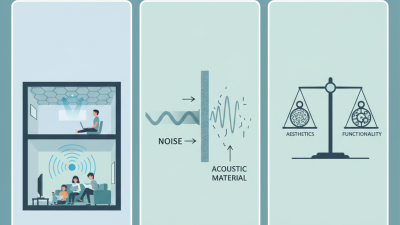
Acoustic ceiling treatment has gained traction in various spaces, from offices to homes. According to industry data, over 40% of noise-related issues in workplaces stem from hard surfaces that reflect sound. This underlines the importance of effective sound management. A well-designed acoustic ceiling can significantly improve sound absorption, creating a more pleasant environment.
Research indicates that acoustic treatments can reduce sound levels by up to 50%. This reduction enhances communication and boosts productivity. However, many spaces still lack effective acoustic solutions. Inadequate sound control can lead to distractions and reduced focus.
Choosing the right acoustic ceiling treatment is essential. It not only contributes to comfort but also impacts the overall aesthetic of a space. With the growing awareness of mental well-being, sound management cannot be overlooked. As we consider the future of design, integrating acoustic solutions seems not just beneficial, but necessary.
Understanding Acoustic Ceiling Treatment: Definition and Purpose
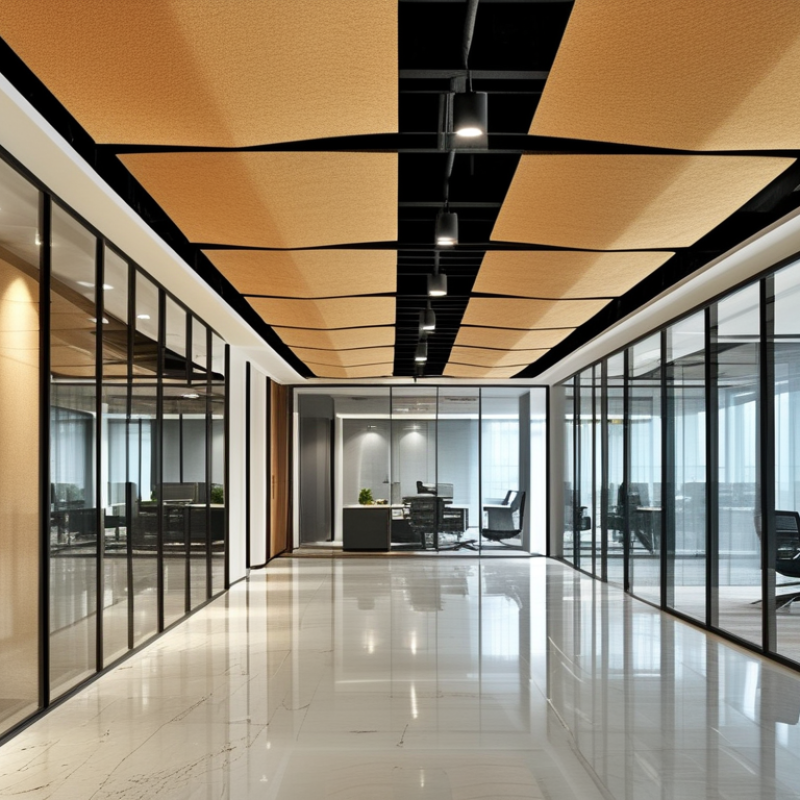
Acoustic ceiling treatment refers to the use of panels and materials designed to minimize sound reverberation. This treatment serves various purposes, including improving speech clarity in offices and enhancing audio quality in performance venues. The right acoustic solution can transform hard, echo-prone spaces into tranquil environments, allowing for better communication and focused work.
When selecting acoustic treatments, consider the space's specific needs. For instance, if the room hosts meetings, opt for materials that absorb mid- to high-frequency sounds. Conversely, music studios may benefit from a balance of absorption and diffusion. Always ensure that materials complement the existing design rather than overwhelm it.
Tips: Choose colors and textures that harmonize with your decor. Don't hesitate to experiment with different arrangements. Sometimes, you may need to rethink placements for optimal performance. Test using different materials before finalizing your choices, as results can vary based on room geometry and furniture layout. Each space is unique, and flexibility is key to finding the best solution.
Key Benefits of Acoustic Ceiling Treatments in Different Environments
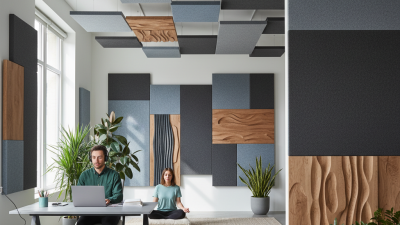
Acoustic ceiling treatments offer numerous benefits in various environments, enhancing both functionality and comfort. In open office spaces, for instance, they significantly reduce noise levels, allowing employees to focus better. This treatment absorbs sound, preventing echoes and minimizing distractions. The result is a more productive atmosphere where communication improves among team members.
In educational settings, acoustic ceilings play a pivotal role. They help students concentrate by limiting background noise, a common issue in bustling classrooms. Improved acoustics contribute to better learning outcomes. Teachers can communicate more effectively, ensuring that students grasp important concepts without straining to hear.
Tips for selecting acoustic treatments: Ensure the material chosen can withstand wear in high-traffic areas. Look for options that align with your design vision. Evaluate installation time and cost to avoid unforeseen delays. Remember, the right choice can transform a space dramatically while maintaining a level of pragmatism and aesthetic appeal. Consider personal experiences when making choices; what worked in one environment may not yield the same results in another.
Why Choose Acoustic Ceiling Treatment for Your Space? - Key Benefits of Acoustic Ceiling Treatments in Different Environments
| Environment |
Key Benefits |
Materials Used |
Cost Range (per sq ft) |
| Office Spaces |
Noise Reduction, Enhanced Privacy |
Acoustic Panels, Tiles |
$2.50 - $5.00 |
| Schools |
Improved Focus, Reduced Distractions |
Mineral Fiber, Fabric-Wrapped Panels |
$3.00 - $6.00 |
| Restaurants |
Better Acoustics, Enhanced Ambiance |
Wood, Acoustic Clouds |
$4.00 - $8.00 |
| Healthcare Facilities |
Reduced Noise Levels, Patient Comfort |
Ceiling Tiles, Soft Fabrics |
$3.50 - $7.00 |
| Home Theaters |
Improved Sound Quality, Aesthetic Appeal |
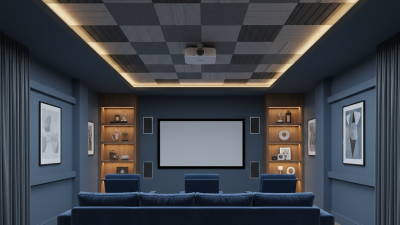
Acoustic Foam, Fabric Panels |
$6.00 - $12.00 |
Types of Acoustic Ceiling Materials: Options and Considerations
Acoustic ceiling treatments are essential for enhancing the sound quality of various spaces. When considering materials, there are several options available, each with distinct characteristics. Acoustic tiles are common; they absorb sound and reduce reverberation effectively. Their lightweight nature makes installation straightforward, but they may not suit all design aesthetics.
Another popular choice is acoustic panels. These can be custom-made to fit unique spaces and blend seamlessly into the decor. They provide excellent sound absorption, but improper installation could lead to subpar performance. It’s crucial to select the right thickness and material for your specific needs.
Some spaces utilize drop ceilings for added functionality. While these can modify acoustics, they may also present maintenance challenges. Regular cleaning is necessary to prevent dust buildup, which can affect sound performance. Therefore, careful consideration of each type’s pros and cons can help ensure that the acoustic ceiling treatment meets both aesthetic and functional requirements effectively.
Installation Process: How to Incorporate Acoustic Ceilings
Acoustic ceilings play a vital role in enhancing the auditory experience of a space. The installation process, while straightforward, requires careful consideration to achieve optimal results. Begin by measuring the dimensions of your room accurately. Consider the type of acoustic panels that suit your environment, whether it’s for a home studio or a commercial space.
While installing, ensure you have the right tools on hand. The installation typically involves mounting a grid system on the ceiling, followed by placing the panels into the grid. Be mindful of any lighting fixtures or ventilation systems that may interfere with the panels. Precision is key; an uneven grid can lead to gaps and decreased acoustic performance.
Tips for a successful installation include planning your layout in advance. Sketch a design to visualize panel placement. Use a laser level for accuracy instead of relying solely on a standard level. Additionally, always test a small section first. This can help you evaluate the acoustic effects before committing to the entire ceiling. It’s essential to reflect on potential sound issues as they can impact your overall space.
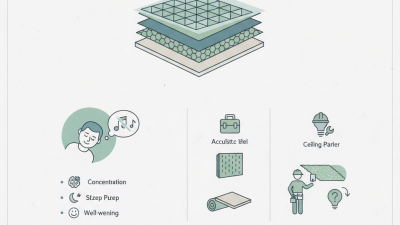
Acoustic Ceiling Treatment Benefits and Installation Process
Maintenance and Longevity of Acoustic Ceiling Treatments
Acoustic ceiling treatments can significantly enhance sound quality in any space. They are designed to absorb and reduce noise, creating a peaceful environment. However, the effectiveness of these treatments can diminish over time if not properly maintained. Regular upkeep is crucial. Dust and grime can build up, impacting their performance. It's vital to schedule routine cleaning to keep the surfaces effective.
Longevity is another important factor. High-quality acoustic materials can last for years if cared for properly. However, exposure to humidity or intense heat can shorten their lifespan. It's worth noting that some treatments may warp or discolor over time, posing aesthetic issues. Understanding the environment where these ceilings are installed matters significantly.
Consider the demands of your space. Open areas may need different treatments than smaller rooms. A reflective surface might not hold up as well in a highly trafficked area. Regular assessments can guide replacements or repairs. This ongoing evaluation helps maintain not only functionality but also visual appeal. Investing in quality and maintenance ensures a sound investment in your environment.