Best Tips for Ceiling Noise Reduction Solutions?
In today's world, ceiling noise reduction has become essential for peaceful living and working environments. Excessive noise can be disruptive. It affects concentration, sleep, and overall well-being. Many homeowners and businesses seek effective solutions to minimize unwanted sounds.
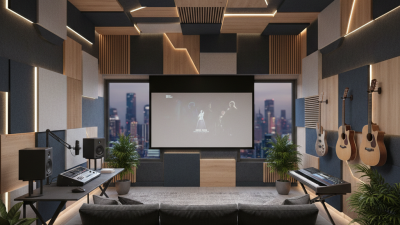
Various materials can absorb sound and enhance acoustics. Acoustic panels and ceiling tiles are popular choices. However, the effectiveness of these solutions varies. It’s important to understand which options best suit individual needs. Certain installations require professional expertise. DIY efforts might lead to unsatisfactory results.
Finding the right ceiling noise reduction strategy may involve experimenting. Not every method works for every space. For instance, a plush carpet can complement soundproof ceilings. Awareness of these nuances is crucial. Users should be prepared to adapt and rethink their approach. The ultimate goal is to create a harmonious atmosphere, free from disruptive noise.

Understanding Ceiling Noise: Causes and Effects
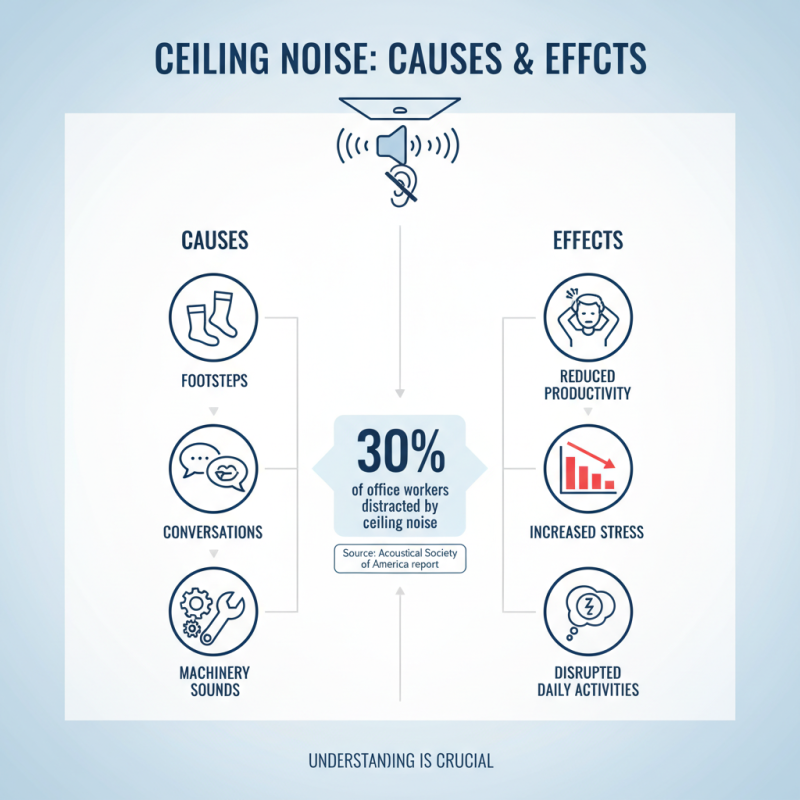
Ceiling noise can disrupt daily activities and affect comfort levels in various environments. Common causes include footsteps, conversations, and machinery sounds. According to a report by the Acoustical Society of America, about 30% of office workers notice distractions from ceiling noise. This impact can reduce productivity and increase stress. Understanding these effects is crucial.
High-frequency sounds often create the most disturbance. Research indicates that sound travels more effectively through structures than through open air. A study by the National Institute of Health points out that ceiling materials play a significant role in attenuation. Inadequate sound insulation can lead to greater disturbances in workplaces and homes. Exploring effective solutions is necessary.
In residential areas, ceiling noise can hinder relaxation. An analysis suggests that nearly 40% of homeowners report issues with unwanted noise from upstairs. While many remedies exist, their effectiveness may vary. Residents sometimes overlook simple steps, such as using rugs or rearranging furniture, which can produce noticeable benefits. Being mindful of these issues allows for better management and a more peaceful living environment.
Types of Ceiling Noise Reduction Materials and Their Benefits
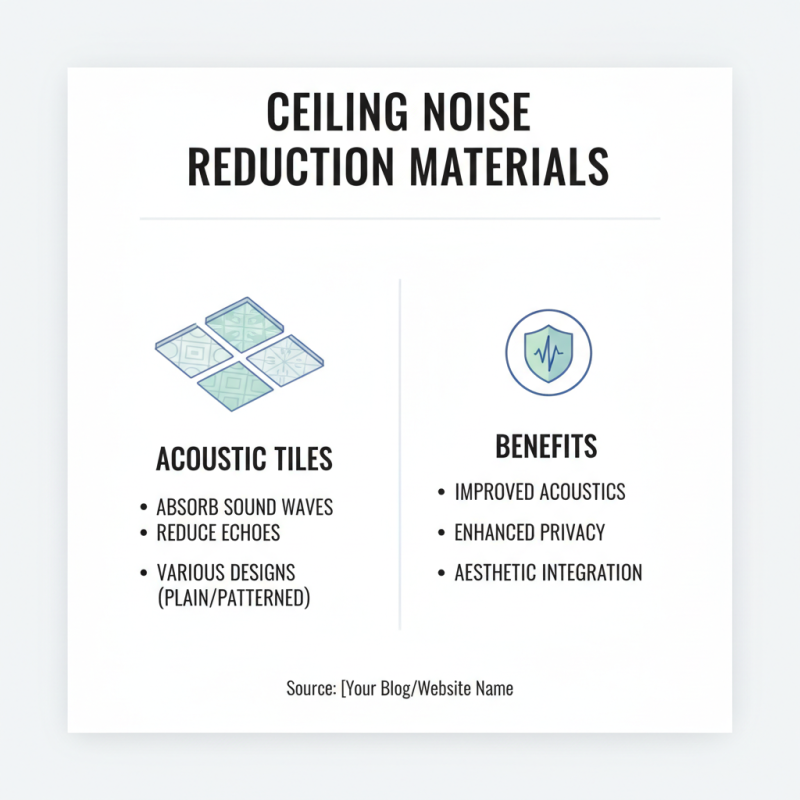
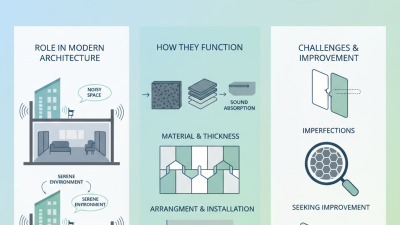
When considering ceiling noise reduction, several materials can significantly help. Acoustic tiles are popular. They absorb sound waves, reducing echoes. These tiles come in various designs, from plain to patterned. This variety allows for both functionality and aesthetics.
Another common material is spray foam insulation. It not only improves thermal efficiency but also dampens sound. Installing it can be messy but ultimately effective. Use it where ceiling meets wall for best results.
Tips for effective noise reduction include ensuring a tight seal at seams. Gaps can let noise in. Regular maintenance of the ceiling structure is essential too. Over time, materials can wear out, reducing effectiveness. Remember to check for any water damage, as it can lead to mold and further issues.
Installation Techniques for Effective Ceiling Soundproofing
When considering ceiling soundproofing, installation techniques play a crucial role. One effective method is the use of acoustic tiles. These tiles can absorb sound waves, reducing echo and noise transmission. Ensure they are installed tightly, leaving no gaps. Use adhesive or clips for a secure fit. Each tile should cover as much surface area as possible.
Another technique is to add insulation between joists. This can significantly improve sound dampening. Fiberglass batts or foam boards work well. If you choose fiberglass, wear protective gear during installation. Ensure every space is filled, as any gaps can diminish effectiveness.
Decoupling the ceiling from the floor above can also be beneficial. This entails using resilient channels or an additional layer of drywall. While this method can be more complex, it reduces vibration transfer. Be cautious of weight limitations and structural integrity when adding layers. Soundproofing can be a trial-and-error process. Each room has its unique acoustics. Adjust your approach based on results.
Comparative Analysis of Noise Reduction Solutions for Ceilings
Ceiling noise reduction is crucial for comfort and productivity. Various solutions exist, each with unique features and benefits.
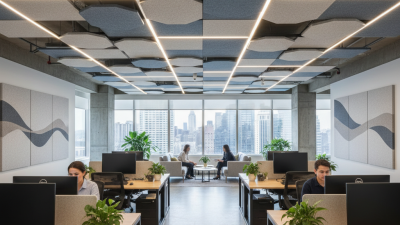
Acoustic panels are popular for their ability to absorb sound. They come in different materials. Some are designed to blend with decor. They can significantly reduce echo and background noise.
Another option is soundproofing materials, like resilient channels. These can be installed in walls or ceilings to minimize sound transmission. Density matters here. Thicker materials tend to perform better. However, installation can be challenging. Proper technique is essential for optimal results.
In contrast, drop ceilings offer a practical solution. They can house sound-absorbing tiles.
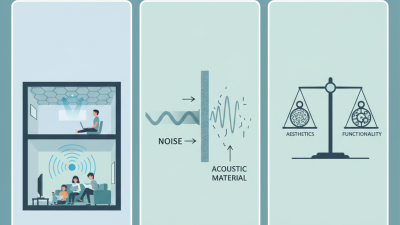
Installation is easier compared to other methods. Yet, they might not fit every aesthetic. Achieving balance between functionality and style requires careful planning. Each solution has its pros and cons. Therefore, consider your specific environment and needs.
Maintenance Tips for Long-Lasting Ceiling Noise Control Solutions
When investing in ceiling noise reduction, maintenance is key. Regular inspection helps identify potential issues early. Look for any signs of wear and tear. Check the seams and edges where ceiling tiles meet. Loose areas can lead to sound leakage. Address these issues promptly to maintain effectiveness.
Another important maintenance tip is cleaning. Dust and grime can accumulate, affecting performance. Use a soft cloth or vacuum gently to remove debris. Avoid using harsh chemicals, as they can damage materials. Depending on the environment, schedule cleanings every six months.
Pay attention to moisture, too. High humidity can compromise materials. If your ceiling absorbs moisture, consider installing a dehumidifier. Monitor the environment regularly to ensure a dry atmosphere. This proactive approach keeps your ceiling noise control solutions functioning optimally. Realizing these maintenance aspects can lead to longer-lasting results.
Best Tips for Ceiling Noise Reduction Solutions
| Tip |
Description |
Effectiveness |
Cost |
| Acoustic Panels |
Install acoustic panels on ceilings to absorb sound and reduce echo. |
High |
$$$ |
| Drop Ceiling |
Using a drop ceiling can help isolate sound and reduce noise transfer. |
Medium |
$$$ |
| Insulation |
Adding insulation above the ceiling to prevent sound from traveling. |
High |
$$$ |
| Soundproofing Paint |
Applying soundproofing paint can help to absorb sound waves. |
Low |
$$ |
| Sealing Gaps |
Filling in gaps and cracks in ceilings can minimize sound leakage. |
Medium |
$ |