What is Building Panels and How They Are Revolutionizing Construction Today
In recent years, the construction industry has experienced significant innovations, with building panels taking center stage as a transformative solution. Renowned expert in construction technology, Dr. Emily Carter, highlights this evolution by stating, "Building panels have the potential to reduce construction time and costs while enhancing energy efficiency." This statement encapsulates the essence of how building panels are revolutionizing construction today, offering not only a shift in methodology but also a sustainable alternative to traditional building practices.
Building panels are engineered materials designed to streamline construction processes, allowing for faster assembly and improved mid- and long-term performance. From residential buildings to large commercial projects, the versatility of building panels is evident. They can be crafted from various materials, including wood, steel, and composite, each offering unique benefits that cater to diverse architectural demands. This adaptability empowers architects and builders to adopt modern design principles while minimizing environmental impact.
As the trend toward sustainable construction intensifies, building panels emerge as a practical solution to meet growing demands for eco-friendly buildings. The integration of these innovative materials not only addresses the urgency for efficient construction techniques but also promotes a greener future. With experts like Dr. Carter advocating for their widespread adoption, it is clear that building panels are poised to redefine how we approach construction in the years to come.
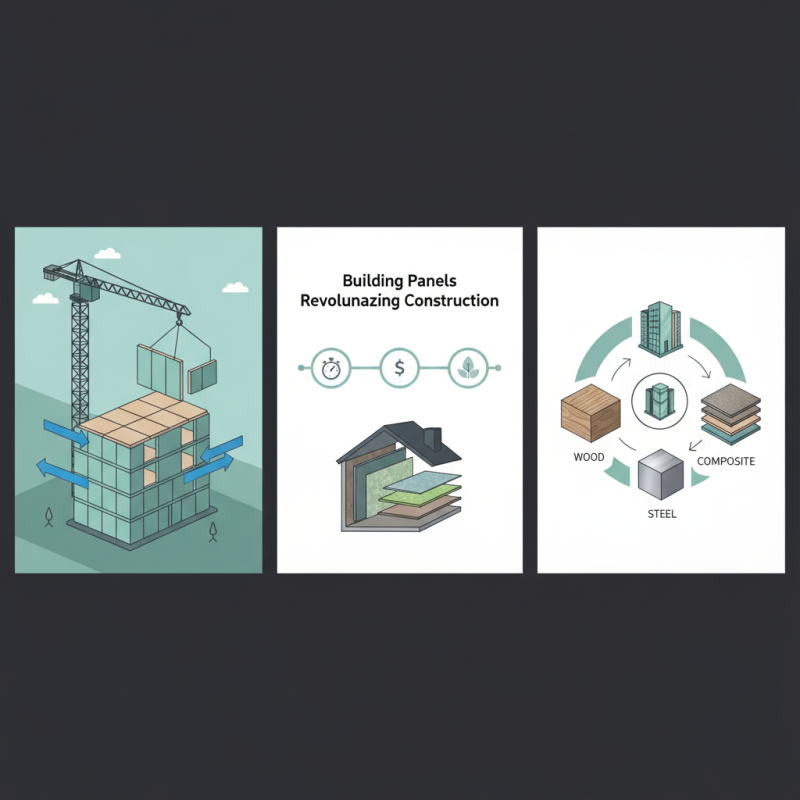
What are Building Panels and Their Types in Modern Construction
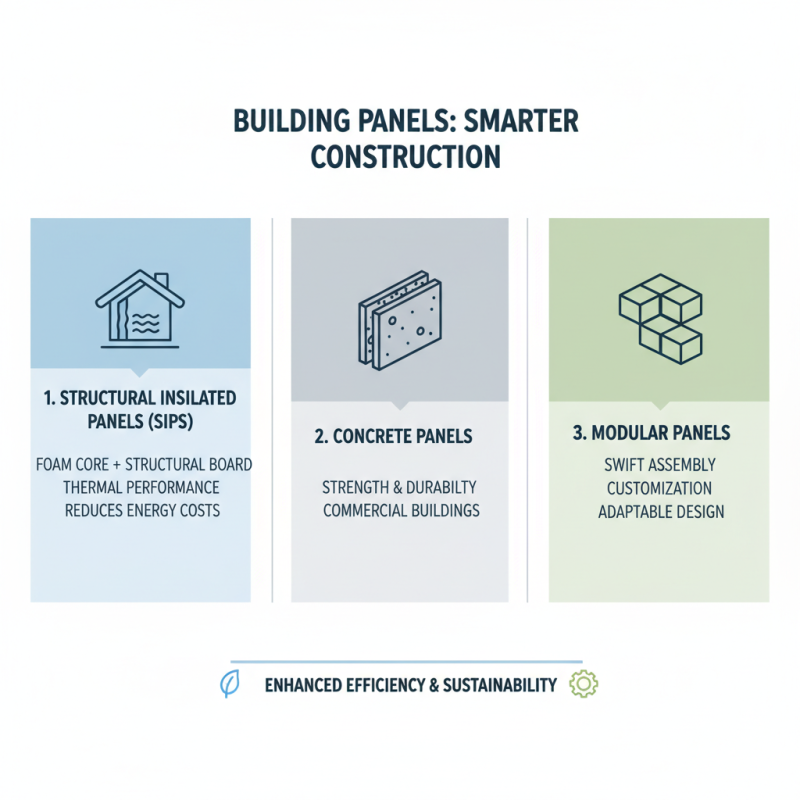
Building panels are an integral component of modern construction, providing innovative solutions that enhance efficiency and sustainability. These panels can be categorized into several types, including structural insulated panels (SIPs), concrete panels, and modular panels. Structural insulated panels are composed of an insulating foam core sandwiched between two layers of structural board, offering superior thermal performance and reducing energy costs. Concrete panels, often used in commercial buildings, provide strength and durability, while modular panels allow for swift assembly and customization, accommodating various architectural designs.
In addition to their functional benefits, building panels contribute to a greener construction industry. They are often prefabricated off-site, significantly reducing waste and construction time. Moreover, many panels incorporate eco-friendly materials or are designed for optimal energy efficiency, aligning with the growing demand for sustainable building practices. The versatility of building panels allows for a wide range of applications, from residential homes to large-scale commercial projects, showcasing their pivotal role in transforming construction methodologies.
The Advantages of Using Building Panels over Traditional Methods
Building panels are rapidly transforming the construction industry by offering a range of advantages that traditional construction methods cannot match. One of the primary benefits is their efficiency; building panels can be pre-fabricated off-site, significantly reducing on-site construction time. This not only accelerates project timelines but also minimizes labor costs and disruptions, allowing for faster occupancy and revenue generation. The modular nature of panels allows for easier customization and adaptability, catering to specific design requirements while maintaining structural integrity.
In addition to time and cost savings, building panels are often more environmentally friendly than traditional construction materials. Many panels are manufactured using sustainable practices and materials, resulting in lower carbon footprints during production. Furthermore, their lightweight properties reduce the need for heavy machinery during transportation and installation, leading to less energy consumption overall. By enhancing energy efficiency, building panels can also contribute to lower heating and cooling costs for the finished structures, making them a wise choice for environmentally-conscious builders and developers.
Innovative Materials Used in Building Panels and Their Properties
Building panels are reshaping the construction landscape through the integration of innovative materials that enhance efficiency and sustainability. These panels are primarily composed of materials such as engineered wood, fiber-reinforced polymers, and insulated concrete forms. Engineered wood products, like cross-laminated timber (CLT), are gaining popularity due to their strength-to-weight ratio and environmental benefits. They are sourced from sustainable forests, reducing the carbon footprint associated with traditional construction materials.
In addition to wood, fiber-reinforced polymers offer unique advantages in building panels, including superior durability and resistance to corrosion, moisture, and certain chemicals. These lightweight materials can be molded into complex shapes, allowing for more versatile architectural designs. Furthermore, insulated concrete forms provide excellent thermal insulation while ensuring structural integrity, making them an ideal choice for energy-efficient building projects. The combination of these innovative materials not only contributes to faster construction times but also promotes a more sustainable approach to modern architecture, leading to a revolution in how buildings are designed and constructed today.
What is Building Panels and How They Are Revolutionizing Construction Today - Innovative Materials Used in Building Panels and Their Properties
| Material |
Type |
Thermal Insulation (R-value) |
Weight (kg/m²) |
Sustainability |
| EPS (Expanded Polystyrene) |
Insulated Panel |
4.0 - 5.0 |
10 - 20 |
Recyclable |
| OSB (Oriented Strand Board) |
Structural Panel |
2.5 - 3.5 |
15 - 25 |
Sustainable wood source |
| Fiber Cement |
Cladding Panel |
1.2 - 2.2 |
25 - 40 |
Durable, low maintenance |
| Glass Fiber Reinforced Concrete (GFRC) |
Architectural Panel |
1.0 - 1.5 |
35 - 50 |
Can incorporate recycled materials |
| Metal Composite Material (MCM) |
Facade Panel |
1.5 - 2.0 |
10 - 15 |
Recyclable aluminum |
Sustainability and Energy Efficiency of Building Panels in Construction
Building panels are transforming the construction industry with their emphasis on sustainability and energy efficiency. Made from a variety of materials, including eco-friendly options, these panels are designed to minimize waste during both production and assembly. This not only reduces the carbon footprint of construction projects but also contributes to the overall lifecycle sustainability of buildings. By employing building panels, developers can create structures that are not only robust but also more environmentally friendly compared to traditional methods.
One key advantage of building panels is their superior insulation properties, which can lead to significant energy savings over a building's lifetime. Properly installed panels can reduce heating and cooling costs by maintaining stable indoor temperatures, making energy-efficient buildings more accessible to homeowners and businesses alike. This contributes to reduced reliance on non-renewable energy sources, aligning with global sustainability goals.
Tips: When considering building panels for your construction project, look for materials with high insulation ratings and low thermal conductivity. It’s also beneficial to consult with professionals who specialize in sustainable design to ensure that your building meets energy efficiency standards. Additionally, prioritize panels that are sourced from recycled materials or those that can be recycled at the end of their lifecycle, further enhancing sustainability.
Sustainability and Energy Efficiency of Building Panels in Construction
Future Trends in Building Panels and Their Impact on the Industry
The future of building panels is shaped by innovations that prioritize sustainability, efficiency, and technology integration. As environmental concerns become increasingly pressing, the industry is witnessing a shift towards eco-friendly materials. Builders are gravitating towards panels made from recycled or renewable resources, significantly reducing the carbon footprint of construction projects. These advancements not only enhance the performance of buildings but also align with global sustainability targets, making them an attractive choice for modern construction.
Additionally, the integration of smart technology into building panels is transforming how structures are designed and utilized. Panels equipped with sensors can monitor structural health in real-time, providing crucial data that can enhance safety and efficiency. This trend signifies a movement towards intelligent buildings, where panels play an essential role in energy management, temperature control, and overall ease of maintenance. As these technologies evolve, they will likely redefine construction standards and practices, pushing the industry towards smarter and more connected infrastructures. Ultimately, the embrace of these trends will lead to a more resilient and sustainable future for the construction sector.