What Is the Breaking Capacity Of RCD You Need to Know?
Understanding the Breaking Capacity Of Rcds (Residual Current Devices) is essential for electrical safety. It refers to the maximum fault current that an RCD can interrupt without failure. This capacity is critical because it ensures that the device can effectively protect against electrical shocks and short circuits.
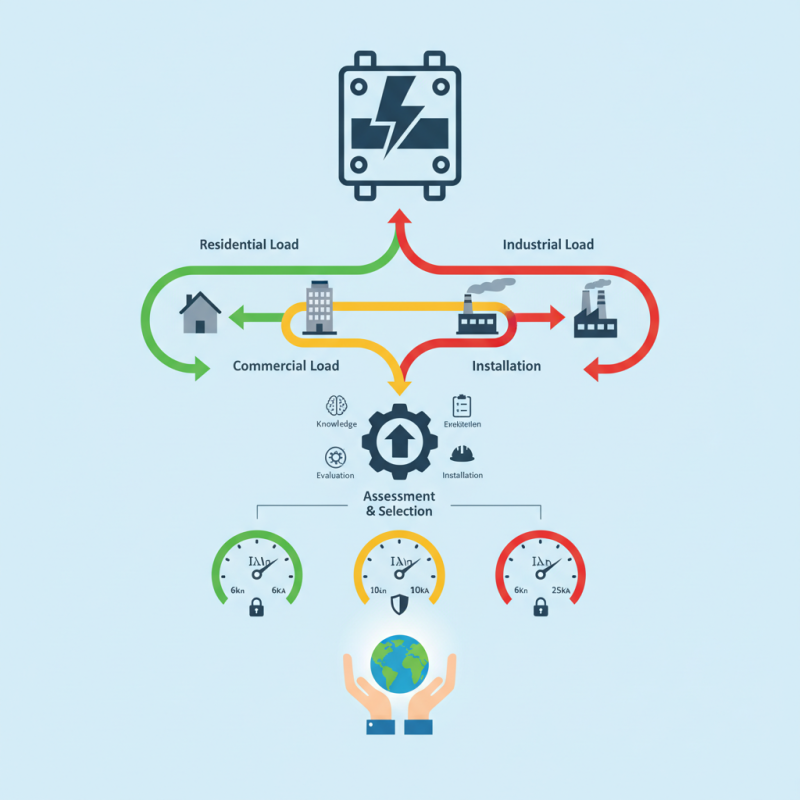
Different environments and applications require specific breaking capacities of RCDs. For example, residential settings may need a lower capacity compared to industrial uses. This variation can impact both safety and performance. Selecting the wrong breaking capacity can lead to device failure and potential hazards.
Professionals often emphasize the importance of knowing the breaking capacity of RCDs. With the right knowledge, electricians can make informed decisions. This awareness is key to preventing accidents. It's vital to assess and understand your specific needs before installation. Ensuring reliability in RCD selection helps safeguard lives and property. However, relying solely on guidelines without proper assessment can lead to oversights. Therefore, conducting thorough evaluations is necessary.
What is Breaking Capacity in RCDs?
Breaking capacity in Residual Current Devices (RCDs) is a crucial concept for electrical safety. It refers to the maximum fault current that an RCD can handle before it trips. Understanding this capacity is vital for protecting both equipment and human life from electrical hazards. RCDs are designed to disconnect the supply when they detect an imbalance in electrical current. This ensures that excessive current does not lead to severe consequences.
When selecting an RCD, consider the environment it will be used in. A residential setting may require a different breaking capacity compared to industrial use. It’s important to assess the typical fault current in your area. Using an RCD with insufficient breaking capacity can result in failure to trip during unsafe conditions. Always verify electrical specifications for accurate safety.
Tips: Ensure your RCD's breaking capacity matches or exceeds local requirements. Regular maintenance and testing of RCDs enhance reliability. Do not overlook the significance of appropriate installation; faulty installation reduces effectiveness. It's paramount to stay informed about updates in electrical safety standards. Always consult a professional for installation and maintenance tasks.
Importance of Breaking Capacity in Electrical Safety
Breaking capacity is crucial for electrical safety. It refers to the maximum fault current that a Residual Current Device (RCD) can interrupt without risking system failure. When a fault occurs, the RCD must act quickly. An inadequate breaking capacity can lead to catastrophic consequences. It might not cut off power, exposing users to dangerous shocks. This risk highlights the need for understanding RCD specifications.
Choosing the right breaking capacity requires careful consideration. Various factors influence this decision, including installation type and expected loads. What works in one situation might not suit another. Misjudgments can lead to severe safety hazards. This calls for expertise in electrical systems. Consulting with professionals ensures appropriate choices are made. A well-informed selection enhances the safety and reliability of electrical installations.
Users often overlook the importance of regular checks. RCDs can deteriorate over time, leading to decreased efficacy. Routine maintenance is essential to ensure devices perform reliably. Users must be proactive about their electrical safety measures. Ignoring these aspects can have dire consequences, both financially and physically. The importance of breaking capacity in RCDs cannot be overstated. Understanding this facet of electrical safety is imperative for everyone.
What Is the Breaking Capacity Of RCD You Need to Know? - Importance of Breaking Capacity in Electrical Safety
| Breaking Capacity (kA) | Application Type | Recommended for Circuit | Typical Voltage Rating (V) |
| 6 | Residential | General Lighting and Outlets | 230 |
| 10 | Commercial | Office Equipment | 400 |
| 25 | Industrial | Heavy Machinery | 400 |
| 40 | Large Scale | Manufacturing Equipment | 690 |
Types of RCDs and Their Breaking Capacities
Residual Current Devices (RCDs) play a critical role in electrical safety. Understanding their breaking capacities is essential for ensuring effective protection against electrical faults. RCDs come in several types, each designed for specific applications. The most notable types include standard RCDs, time-delayed RCDs, and selective RCDs. Each type serves distinct functions and operates based on varying breaking capacities.
Standard RCDs typically have a breaking capacity of 30mA. This is sufficient for protecting users against electric shocks. Reports indicate that approximately 90% of electrical accidents could be prevented with RCDs rated at this level. Time-delay RCDs are used in circuits where temporary faults may occur, such as in outdoor settings. These devices often feature breaking capacities of 100mA or higher, suitable for reducing unnecessary tripping. Selective RCDs, on the other hand, have higher ratings, typically ranging from 300mA to 500mA, used primarily in industrial applications.
Understanding the varying breaking capacities of RCDs is vital for proper installation and maintenance. However, not all users are aware of the need for different RCD types in various settings. This lack of awareness can lead to under-protection in environments requiring higher safety measures. Selecting the appropriate RCD involves considering the specific requirements of the electrical installation. Data show that up to 30% of residential installations may not comply with safety standards. Regular assessments and updates are recommended to maintain efficacy over time.
Breaking Capacity of RCDs
The above bar chart illustrates the breaking capacities (in kiloamperes) of various types of Residual Current Devices (RCDs). Type A and Type AC RCDs have higher capacities, making them suitable for a wider range of applications, while Type F and Type S are specialized for certain conditions.
Factors Influencing RCD Breaking Capacity
When selecting a Residual Current Device (RCD), understanding its breaking capacity is crucial. This capacity indicates how much current an RCD can safely interrupt during a fault condition. Several factors can significantly influence this capacity, and knowing them can enhance safety and performance.
One key factor is the type of electrical installation. For instance, residential properties may require lower breaking capacities than industrial settings. Research shows that 30mA residual current devices are common in homes, while 100mA or higher may be needed in commercial and industrial applications. The environment also matters. RCDs exposed to harsh conditions, like moisture or extreme temperatures, need higher capacities due to increased risk.
Tips: Always assess your specific environment and application needs. Consult with a qualified electrician when determining the required breaking capacity. Regularly test RCDs to ensure functionality and safety.
Another influencing factor is the circuit configuration. Single-phase circuits typically need different specifications compared to three-phase systems. The load type is also critical. Devices with higher inrush currents can require a higher breaking capacity to avoid nuisance tripping.
Remember, not every situation will fit neatly into established guidelines. Re-evaluating existing systems may reveal areas for improvement. Always keep an open mind towards updates in electrical safety standards and practices.
How to Choose the Right RCD Based on Breaking Capacity
When selecting a Residual Current Device (RCD), understanding its breaking capacity is essential. This capacity indicates how much current the RCD can handle before tripping. According to the International Electrotechnical Commission (IEC), RCDs typically come with breaking capacities of 30mA for personal protection and 100mA for equipment protection. Choosing the correct one is crucial for both safety and functionality.
Consider your specific application and environment. For residential areas, a 30mA RCD is often sufficient. But for commercial or industrial settings, it might be wise to opt for a higher breaking capacity. The electrical load you anticipate will influence your choice as well. An underestimated capacity can lead to frequent tripping, causing inconvenience and potential hazards.
Tips: Regularly test your RCDs to ensure they function correctly. An RCD that rarely trips may not be effective. Always consult with a licensed electrician for assessments tailored to your needs. Your safety and the safety of your property are paramount. Pay attention to changes in electrical usage and adjust your RCD accordingly.