Best Sound Treatment Panels for Home Studios and Acoustic Improvement
In the realm of audio production, achieving the perfect sound environment is crucial for both creators and listeners. Sound treatment panels play a pivotal role in enhancing acoustics, providing an essential solution for home studios aiming to minimize unwanted reflections and reverberations. According to Dr. Emily Johnson, an industry expert in acoustic design, "Proper sound treatment panels are key to transforming an ordinary space into a professional sounding environment."
Designed to absorb sound waves and reduce noise interference, these panels can dramatically improve recording quality and listening experiences. Whether you're a musician, podcaster, or audio engineer, understanding how to effectively incorporate sound treatment panels into your workspace is imperative. The right selection and arrangement of these panels can not only elevate your audio quality but also create a more inspiring and focused environment for creativity.
As we explore the best sound treatment panels available for home studios, we will delve into their types, benefits, and installation strategies that can help you achieve the desired acoustic improvement. By investing in sound treatment, you are not only investing in your craft but also in the overall quality of your sound projects.
Types of Sound Treatment Panels for Home Studios
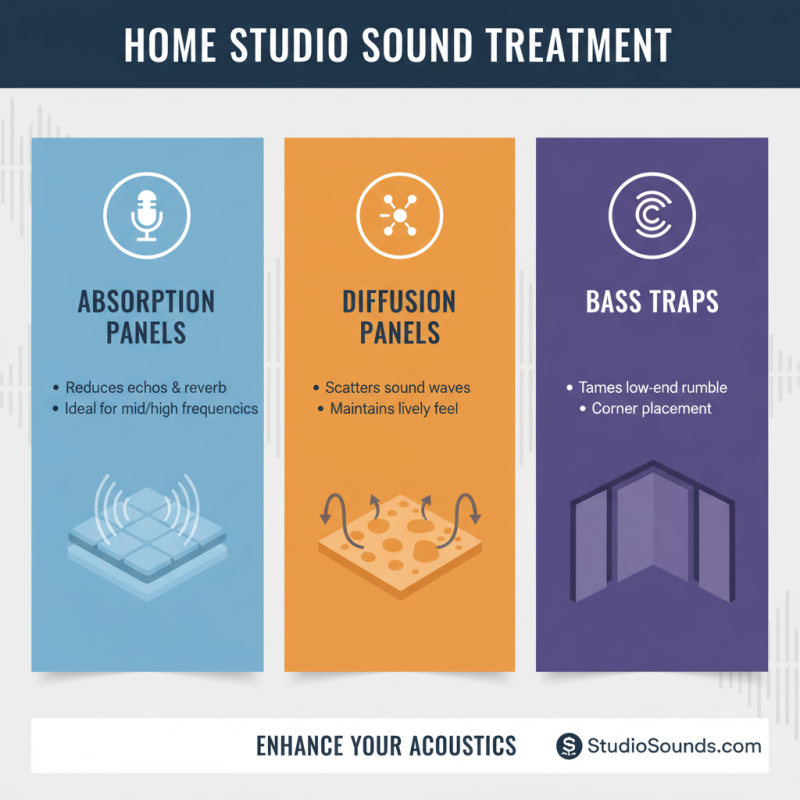
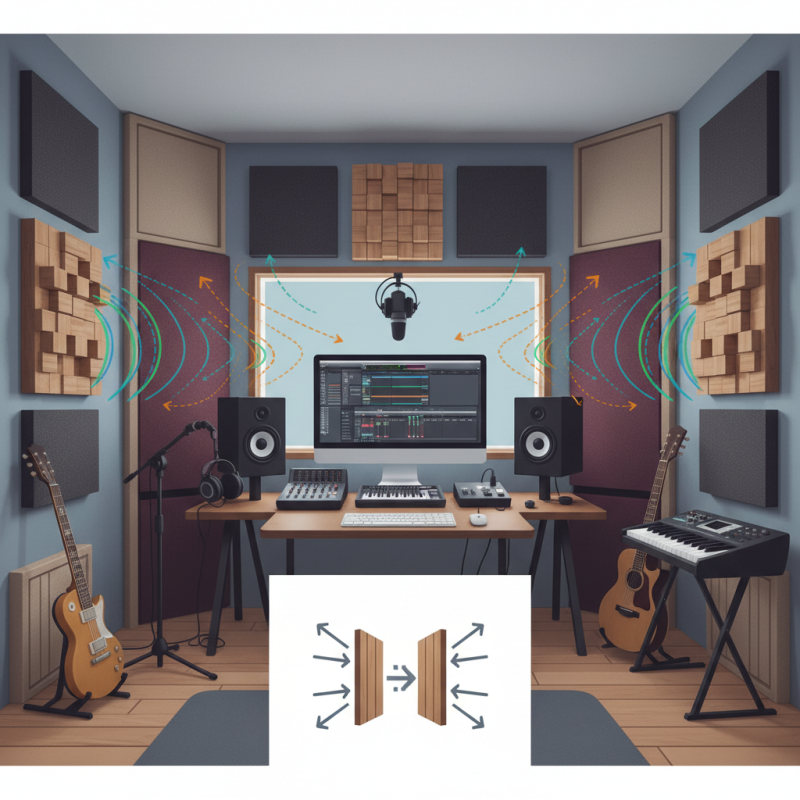
When setting up a home studio, sound treatment panels play a crucial role in enhancing your acoustic environment. These panels come in various types, each serving specific functions and addressing different acoustic challenges. The primary categories include absorption panels, diffusion panels, and bass traps.
Absorption panels are designed to deaden sound reflections by absorbing mid to high frequencies. They are often made from foam or fabric-covered materials, making them a popular choice for vocal booths and mixing areas. On the other hand, diffusion panels scatter sound waves in different directions, reducing echo without soaking up too much sound. This is particularly beneficial in larger spaces where you want to maintain a lively sound while controlling reflections. Lastly, bass traps focus on low frequencies that can cause issues in recording and playback, effectively managing bass buildup in corners.
Tips for choosing the right panels include assessing your room’s acoustic needs and experimenting with panel placement before making permanent decisions. Additionally, consider mixing different types of panels to achieve a balanced acoustic treatment, as a combination of absorption, diffusion, and bass management can lead to optimal sound quality in your studio.
Key Materials Used in Acoustic Treatment Panels
When it comes to enhancing the acoustics of your home studio, the choice of materials for sound treatment panels is crucial. Commonly used materials include foam, fiberglass, and mineral wool. Acoustic foam panels are highly popular due to their lightweight and effective sound absorption properties, which help to reduce echo and reverberation. Fiberglass panels, while heavier, offer superior durability and soundproofing qualities, making them an excellent choice for professional setups. Mineral wool provides excellent acoustic performance in a denser form, adding both sound absorption and thermal insulation to your space.
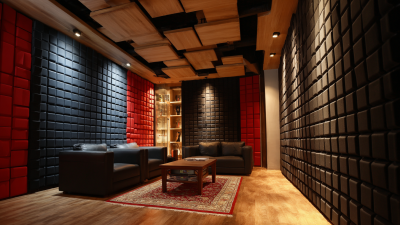
Tips for selecting the right material include considering the specific acoustical needs of your room. For smaller spaces, lighter materials like foam may suffice, while larger rooms may require heavier or denser panels to achieve optimal sound treatment. Additionally, think about aesthetics—acoustic treatment panels come in a variety of colors and designs, allowing you to enhance your studio's appearance while improving functionality. Installing panels on walls and ceilings strategically can drastically improve sound clarity, enabling a more accurate monitoring environment for recording and mixing.
Benefits of Using Sound Panels for Acoustic Improvement
The use of sound panels in home studios can significantly enhance acoustic quality, making them an essential tool for audio enthusiasts and professionals alike. Sound panels are designed to absorb sound waves, reducing unwanted reverberation and echo. This results in a cleaner and more controlled acoustic environment, allowing for better sound clarity during recording and mixing sessions. By minimizing sound reflections, users can achieve a more accurate representation of their audio, which is crucial for producing high-quality sound.
In addition to improving audio quality, sound panels also contribute to a more comfortable listening experience. In residential settings, excessive noise can lead to distractions and reduced productivity. By implementing sound panels, individuals can create a tranquil atmosphere, making it easier to focus on tasks such as studying, practicing, or working. Furthermore, the aesthetic appeal of sound panels can enhance the overall decor of a room, providing both functional and visual benefits. Whether for professional use or personal enjoyment, sound treatment panels are a valuable investment for anyone seeking to elevate their acoustic environment.
Installation Tips for Optimal Sound Treatment in Studios
When it comes to achieving optimal sound quality in home studios, proper installation of sound treatment panels is crucial. Acoustic treatment can reduce unwanted reflections, echoes, and reverberations, which are essential for a clean recording environment. According to the Acoustic Society of America, improper room acoustics can diminish audio quality by up to 30%, emphasizing the need for effective sound treatment. Therefore, a careful approach to installation can lead to significant improvements in audio clarity and overall listening experience.
To maximize the effectiveness of sound treatment panels, it is important to strategically place them around the studio. The first step is to identify the primary reflection points in the room, which are typically located at ear level on the walls and ceiling where sound waves first bounce. A study published in the Journal of the Audio Engineering Society highlights that treating these areas can improve sound accuracy by nearly 50%. In addition to wall panels, incorporating bass traps in the corners can address low-frequency issues, further enhancing the acoustic environment.
Ensure that panels are mounted securely using appropriate mounting hardware, as this will not only maintain the aesthetic of the studio but also prevent any decrease in acoustic performance over time. For best results, consider professional installation guidance or software simulations that can assess your room’s unique acoustics, leading to better placement strategies tailored to your specific needs. Proper installation of these sound treatment panels is an investment in your studio’s sound quality, providing a professional atmosphere conducive to high-quality audio production.
Sound Treatment Effectiveness in Home Studios
Common Misconceptions About Acoustic Panels and Their Effectiveness
When it comes to acoustic treatment, many people hold misconceptions about the effectiveness of sound treatment panels. One common belief is that simply adding panels to a room will automatically solve all acoustic issues. However, the reality is that the placement, type, and quantity of panels play crucial roles in how effectively they reduce unwanted noise and improve sound quality. Without a proper understanding of room characteristics and the specific problems you’re addressing, you may end up with panels that do little to enhance your sound environment.
Tips: Take time to analyze your studio's acoustics before purchasing panels. Identify problem areas where sound resonates or echoes, as targeting these spots can make a significant difference. Additionally, consider a blend of different types of panels, such as absorptive and diffusive options, to create a balanced acoustic environment.
Another misconception is that all acoustic panels are created equal. Many people assume that the thickness of a panel guarantees better sound absorption; however, this isn't always the case. Different frequencies require different types of panels for optimal absorption, and a one-size-fits-all approach will likely fall short of expectations. It’s essential to choose panels designed for the specific sound issues in your space, ensuring a tailored solution that enhances your listening or recording experience.
Tips: Consult with an acoustic professional if you're uncertain about your room's needs. They can provide insight into the types and arrangements of panels that will work best, helping you to avoid common pitfalls and achieve the best possible sound treatment for your space.
Best Sound Treatment Panels for Home Studios and Acoustic Improvement
| Panel Type |
Material |
Effective Frequency Range (Hz) |
Thickness (Inches) |
Common Misconceptions |
| Absorption Panels |
Foam |
100 - 2000 |
2 |
They will eliminate all sound reflections |
| Bass Traps |
Mineral Wool |
50 - 400 |
4 |
They only work in corners |
| Diffusers |
Wood |
300 - 5000 |
3 |
They only reflect sound |
| Acoustic Curtains |
Fabric |
100 - 3000 |
2 |
They are just regular curtains |
| Panel Mounting Hardware |
Metal |
N/A |
N/A |
Only necessary for heavy panels |