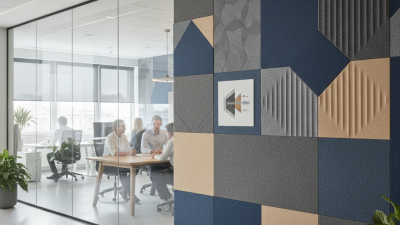
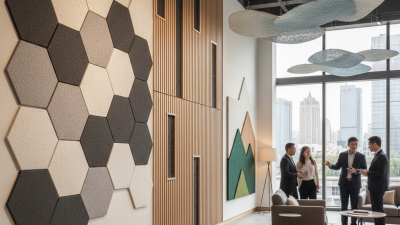
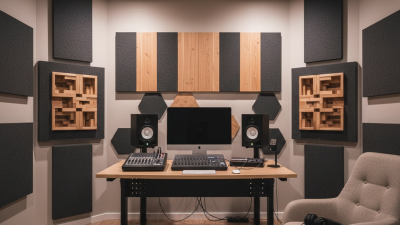
What is the Best Interior Acoustic Panels for Soundproofing?
In today's bustling world, sound control is essential for many environments, from homes to offices. The use of interior acoustic panels has gained attention as a solution to combat disruptive noise. Research from the Acoustical Society of America indicates that noise can significantly affect productivity and well-being. For instance, excessive noise levels can reduce workplace efficiency by up to 66%.
Interior acoustic panels serve not only to dampen sound but also to enhance the aesthetic appeal of a space. A study by the National Center for Biotechnology Information emphasizes that well-designed acoustic panels can improve sound quality, making environments more comfortable. However, selecting the best panels requires consideration of materials, thickness, and design. Unfortunately, many consumers overlook these factors, leading to installations that may not meet their soundproofing needs.
As we explore the best options for interior acoustic panels, it’s crucial to reflect on individual needs and space dynamics. Some panels may work wonders in one setting but disappoint in another. Quality often varies, and not all products deliver the promised results. Understanding the science of sound absorption and the specific characteristics of different panels can lead to more informed choices.
What Are Interior Acoustic Panels and Their Benefits for Soundproofing?
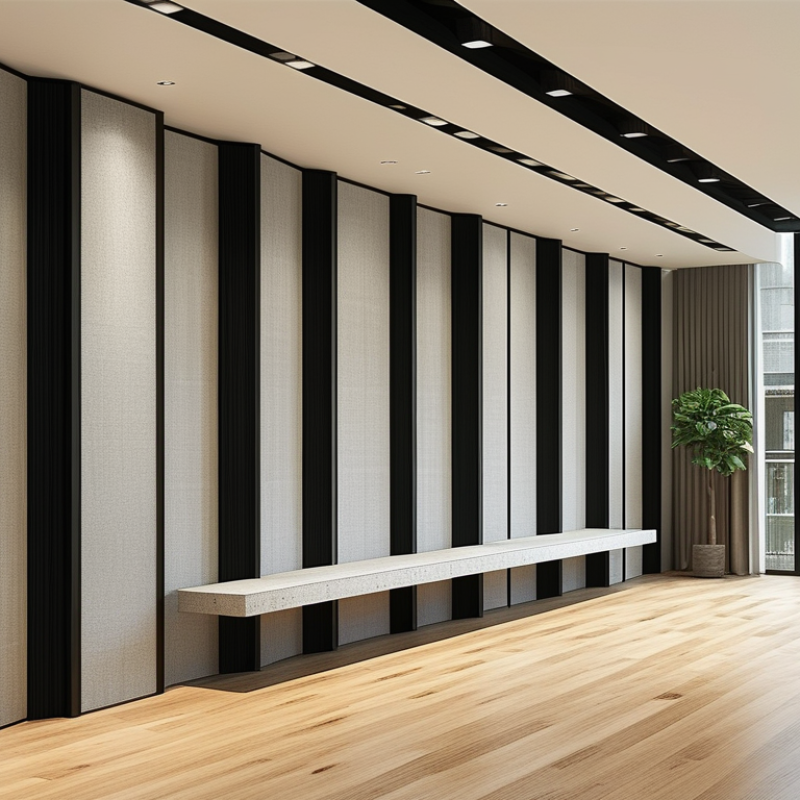
Interior acoustic panels are essential for effective soundproofing in various environments. These panels are designed to absorb sound, reducing echo and background noise. They can significantly improve the acoustic quality of spaces such as offices, studios, and homes. When strategically placed, they create a calmer atmosphere and enhance focus.
The benefits of using acoustic panels extend beyond mere noise reduction. They can also enhance privacy in shared spaces, allowing conversations to be held without disturbances. Moreover, these panels come in various designs, making it easy to integrate them into different interior styles. This adaptability contributes to both aesthetics and functionality.
However, choosing the right panels requires careful consideration. Not all panels are created equal. Some may be too thin to adequately absorb lower frequencies, leading to an ineffective soundproofing solution. Therefore, it is crucial to evaluate the specific needs of a space. A balance between design, material, and sound absorption must be found. This might take some trial and error, but the results can be well worth the effort.
What is the Best Interior Acoustic Panels for Soundproofing?
| Panel Type |
Material |
Thickness (inches) |
NRC Rating |
Applications |
| Acrylic Panels |
Acrylic |
1 |
0.90 |
Home Theaters, Music Studios |
| Foam Panels |
Open-cell Polyurethane |
2 |
0.70 |
Recording Studios, Offices |
| Fabric Wrapped Panels |
Mineral Fiber |
1.5 |
0.85 |
Auditoriums, Classrooms |
| Wooden Acoustic Panels |
Wood |
0.75 |
0.75 |
Restaurants, Theaters |
| Mass Loaded Vinyl Panels |
Vinyl |
0.5 |
1.00 |
Studios, Mechanical Rooms |
Key Materials Used in Acoustic Panels: Effectiveness and Differences
Acoustic panels are crucial for soundproofing and improving indoor acoustics. They come in various materials, each with distinct effectiveness. For instance, fiberglass panels are renowned for their high absorption ratings. Studies have shown these panels can reduce noise levels by up to 85% in certain environments. This makes them ideal for recording studios or home theaters.
Another common option is foam panels. While they are lightweight and easy to install, their acoustic properties are generally less effective than fiberglass. Research indicates that foam panels typically absorb about 40-60% of sound energy across various frequencies. For areas with higher reverberation, this may not suffice. Consider using a combination of materials to enhance soundproofing.
When choosing materials, consider the thickness and density. Thicker panels offer more sound absorption. Some reports suggest that adding layers creates beneficial effects. Experiment with mixing different types to achieve optimal results. Remember, acoustic treatment is a journey—what works in one room may not in another.
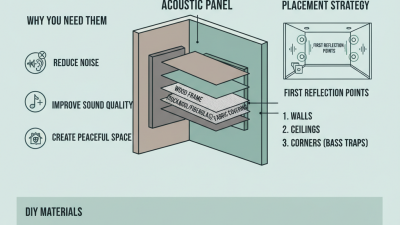
Placement matters too. Position panels at first reflection points for maximum effect. Test different configurations to see which setup feels right. Each space is unique, and adjustments can lead to significant improvements in sound quality. Don’t hesitate to rethink your choices as you gather feedback from your environment.
Effectiveness of Different Interior Acoustic Panel Materials
This chart illustrates the sound absorption coefficients of various acoustic panel materials, comparing their effectiveness in soundproofing. The values range from 0 (no absorption) to 1 (total absorption).
Performance Metrics: Understanding NRC and STC Ratings for Panels
When selecting interior acoustic panels, understanding NRC and STC ratings is crucial. NRC stands for Noise Reduction Coefficient, a measure of how well a material absorbs sound. It ranges from 0 to 1, with a higher number indicating better sound absorption. For effective soundproofing, panels with an NRC of 0.7 or above are often recommended. This means they absorb 70% or more of the sound that hits them, significantly improving acoustics in a space. Research shows that environments with high NRC ratings can enhance focus and productivity, making them ideal for offices or recording studios.
STC, or Sound Transmission Class, measures how well a barrier prevents sound transmission. Higher STC ratings indicate better sound blocking capability. An STC rating of 50 is considered adequate for most residential environments, while professional spaces might require panels with an STC of 60 or greater. A study by the National Institute of Standards and Technology emphasizes that using materials with both high NRC and STC ratings can lead to marked improvements in sound control.
Choosing the right panels involves evaluating the specific needs of your space. Not all panels will meet your requirements, and sometimes trade-offs between aesthetics and performance occur. It’s essential to consider how different materials will impact sound quality. Consultation with professionals can help uncover insights tailored to your unique environment.
Top Brands and Their Featured Acoustic Panels for Home Studios
When it comes to soundproofing a home studio, choosing the right acoustic panels is crucial. Various brands offer unique features tailored to specific audio needs. High-density panels can absorb more sound, while lightweight options might be easier to install. Some panels can even double as wall art, merging functionality with aesthetics.
Brands frequently highlight their eco-friendly materials and easy installation processes. A common theme is versatile sizing, allowing for customization to fit any space. However, not all solutions are perfect. Some users find that lighter panels might not provide enough sound absorption. It's essential to consider individual needs and room characteristics when selecting panels.
Acoustic panels may vary significantly in their performance and appearance. Think about your specific requirements. Testing out a few options can reveal what truly works for your studio. Small adjustments can lead to noticeable improvements. Listen closely to your audio environment; it might surprise you.
Installation Techniques: Best Practices for Maximizing Soundproofing Effects
To achieve optimal soundproofing with interior acoustic panels, proper installation techniques are essential. Industry reports indicate that panels can reduce sound transmission by up to 50% when installed correctly. This dramatic change occurs when panels are placed strategically in key areas. Locations like corners and high-traffic zones often benefit the most from targeted placement.
Using adhesive or mechanical fasteners ensures that panels remain securely in place. Uneven surfaces can undermine sound absorption. Therefore, leveling the installation surface can make a significant difference. According to research from soundproofing experts, panel density significantly influences performance. Panels with higher density absorb more sound frequencies, reducing echoes and reverberations.
Acoustic panels should not be treated as a one-size-fits-all solution. Material choice, placement height, and the room's usage all contribute to their effectiveness. Additionally, a common mistake is neglecting to assess existing room acoustics before installation. A proper evaluation allows for a customized approach, ensuring maximum absorption performance. The goal is to find a balance between aesthetics and practicality to enhance overall sound quality.