What is the Best Gypsum Board for Global Buyers in 2026?
As global demand for building materials continues to evolve, the Gypsum Board market is witnessing significant changes. By 2026, buyers worldwide will seek the most suitable Gypsum Boards tailored to their specific needs. Different regions have distinct building requirements, leading to varying preferences and standards in Gypsum Boards.
The best Gypsum Board choices will reflect advancements in technology and sustainability. This makes understanding market trends essential for informed decisions. Buyers must consider factors such as durability, insulation properties, and fire resistance when selecting Gypsum Boards.
However, navigating the diverse offerings can be challenging. Not all products meet the same quality standards, and missteps can lead to costly renovations. A reliable source of information is crucial for global buyers. By analyzing available data and expert opinions, buyers can enhance their purchasing decisions. This approach fosters a deeper understanding of the Gypsum Board landscape in 2026.
Overview of Gypsum Board Types Available for Global Buyers
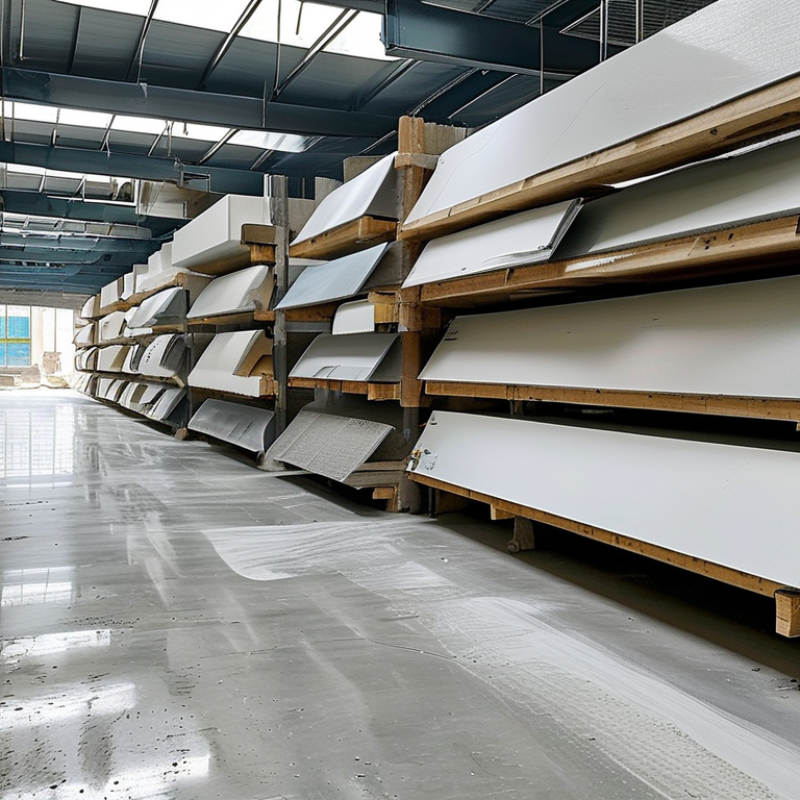
Gypsum board comes in various types, each tailored for specific applications. Standard gypsum board is widely used in residential settings. It's versatile and easy to handle. For moisture-prone areas, moisture-resistant gypsum board is the go-to option. This type features a special core that prevents mold growth.
Another option is fire-resistant gypsum board. This board is engineered to withstand high temperatures. It's essential for commercial buildings and areas requiring added safety measures. Additionally, there are soundproof gypsum boards designed to minimize noise transmission. Their dense core structure offers remarkable acoustic performance.
Customizing gypsum board to specific needs can be a challenge. Buyers must consider factors such as environment and purpose. Assessing local building codes is crucial, as regulations vary. While the options are abundant, making an informed choice can prevent costly mistakes in the future. Understanding these types helps global buyers make decisions aligning with their project requirements.
Key Features and Specifications to Consider in Gypsum Boards
When selecting gypsum boards in 2026, there are key features to consider. Fire resistance is crucial for safety. Boards labeled with higher fire ratings often provide better protection. Moisture resistance is another essential aspect, especially in humid areas. Look for boards specifically designed to withstand moisture. This feature can prevent mold growth and enhance durability.
Thickness and density are also important. Thicker boards can offer better sound insulation. Some projects demand specific soundproofing requirements. Additionally, check for ease of installation. Lightweight boards are simpler to handle and cut, saving time during installation. Understanding local building codes is vital too. These codes dictate what specifications are acceptable in your region.
Eco-friendly options are increasingly popular. Boards made from recycled materials can reduce environmental impact. However, it’s essential to research the sustainability of these materials. This can be harder than it seems. Not all manufacturers provide transparent details. Balancing quality with environmental responsibility is a challenge. Selecting the right gypsum board involves weighing these factors carefully.
What is the Best Gypsum Board for Global Buyers in 2026?
| Feature | Standard Specification | Recommended Types |
| Thickness | 12.5 mm, 15 mm | Standard, Moisture-resistant |
| Size | 1200 mm x 2400 mm | Standard Sheets |
| Fire Resistance | Type X available | Fire-rated Boards |
| Weight | 8-10 kg per sheet | Lightweight Boards |
| Moisture Resistance | Up to 90% humidity | Moisture-resistant Boards |
| Finishing Options | Smooth, Textured | Decorative Boards |
Top Brands and Manufacturers of Gypsum Board in 2026
In 2026, the global gypsum board market is expected to grow significantly. Recent industry reports indicate a projected CAGR of over 6% from 2021 to 2026. This growth is fueled by rising construction activities and increasing demand for sustainable building materials. As the industry adapts, the leading manufacturers focus on innovation and quality.
Top brands in the gypsum board sector are investing heavily in research and development. Their goal is to enhance product durability and performance. Eco-friendly options are becoming more prominent. These products often use recycled materials and require less energy for production. Reports suggest that nearly 40% of buyers prioritize environmental impact when selecting materials.
Market research highlights a need for reliability among suppliers. Many buyers express concerns over product consistency and availability. It's crucial for manufacturers to address these issues. In addition, transparency in sourcing and production processes can improve trust. As the market evolves, companies that adapt to buyer preferences will likely excel.
Environmental Impact and Sustainability of Gypsum Board Options
As global awareness of environmental issues increases, sustainable building materials are more important than ever. Gypsum board is widely used in construction, yet its production can have significant environmental impacts. Many buyers in 2026 will seek options that minimize carbon footprints and promote sustainability.
Recycled content in gypsum board can reduce waste and lower resource consumption. Using natural gypsum mined responsibly is another option. However, the energy used in production still raises questions. Some manufacturers are looking into renewable energy sources for production, reflecting a push towards more eco-friendly processes.
Water usage in gypsum board production is often overlooked. Efficient water management practices are essential for minimizing impact. There are continuous efforts to improve recycling techniques post-installation too. However, not all companies embrace these practices equally. Buyers must research to find the truly sustainable choices available in the market.
Trends and Innovations in Gypsum Board Technology for the Future
As we look towards 2026, the gypsum board industry is set to undergo significant transformations, driven by new technologies and market demands. A recent report by Grand View Research highlights that the global gypsum board market is expected to reach $70 billion by 2026, expanding at a CAGR of 6.5%. Such growth reflects an increasing preference for lightweight, flexible materials in construction.
Innovations in gypsum board technology are focusing on sustainability and performance. Ethically sourced raw materials and recycled content are gaining traction. A study by Smithers Pira indicates that eco-friendly boards can reduce carbon footprints by 20%. Moreover, enhanced moisture resistance and fireproofing measures are increasingly favored, catering to both residential and commercial sectors. This shift represents an important response to the rising concern over building safety.
Despite these advancements, challenges remain. Cost management for high-performance products is a critical hurdle. Market players must balance premium features with affordability. Consumer education on the benefits of advanced gypsum products is also crucial. As the industry evolves, addressing these imperfections will determine the adaptability and success of gypsum board solutions in the near future.