+1 877-337-9312 | sale@sflbuild.com

Blog

2026 Best Building Panels for Sustainable Construction Solutions?

In the evolving landscape of construction, the focus on sustainability is more crucial than ever. Building panels play a key role in this transformation. These materials not only enhance energy efficiency but also reduce waste. However, selecting the right building panels is not always straightforward.

Many options on the market promise sustainable solutions. Some panels boast high insulation values, while others emphasize recycled content. It's essential to evaluate the long-term benefits versus initial costs. Not all products live up to their claims. Those responsible for construction should be wary of marketing jargon.

Choosing the best building panels requires careful consideration. Performance, durability, and environmental impact must all be assessed. While progress is evident, the journey towards truly sustainable construction is ongoing. There are still questions to explore and practices to refine.
2026 Best Building Panels for Sustainable Construction Solutions?

Overview of Sustainable Building Panels for 2026
2026 Best Building Panels for Sustainable Construction Solutions?

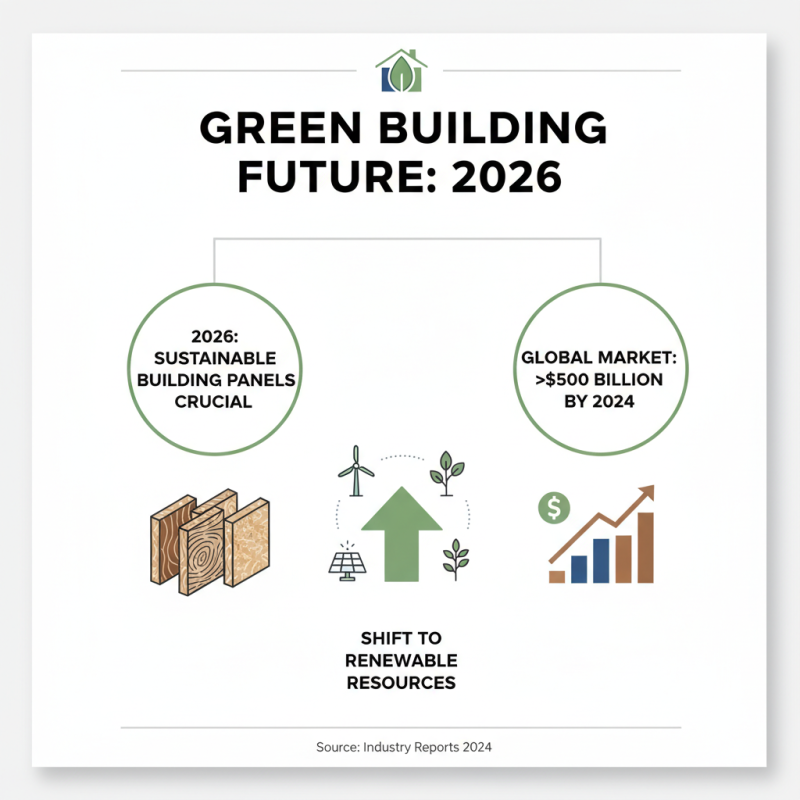
In 2026, sustainable building panels will play a crucial role in eco-friendly construction. Reports indicate that by 2024, the global market for sustainable building materials could exceed $500 billion. This shift highlights the increasing demand for renewable resources in the building sector.

Wood-based panels, bamboo, and recycled composites are popular options. These materials significantly reduce carbon footprints. A recent study found that wood panels can lower emissions by 30% compared to traditional concrete. However, sourcing these materials still poses challenges. Sustainable forestry practices are often inconsistent, leading to concerns about over-harvesting.

Producers are exploring innovative options to enhance sustainability. For example, bio-based panels made from agricultural waste are emerging as a viable alternative. Yet, the production processes for these materials must be refined to ensure they meet durability standards. Industry experts suggest that transparency in sourcing will be key to building consumer trust as these materials gain traction.
Key Materials for Eco-Friendly Construction Panels

2026 Best Building Panels for Sustainable Construction Solutions?

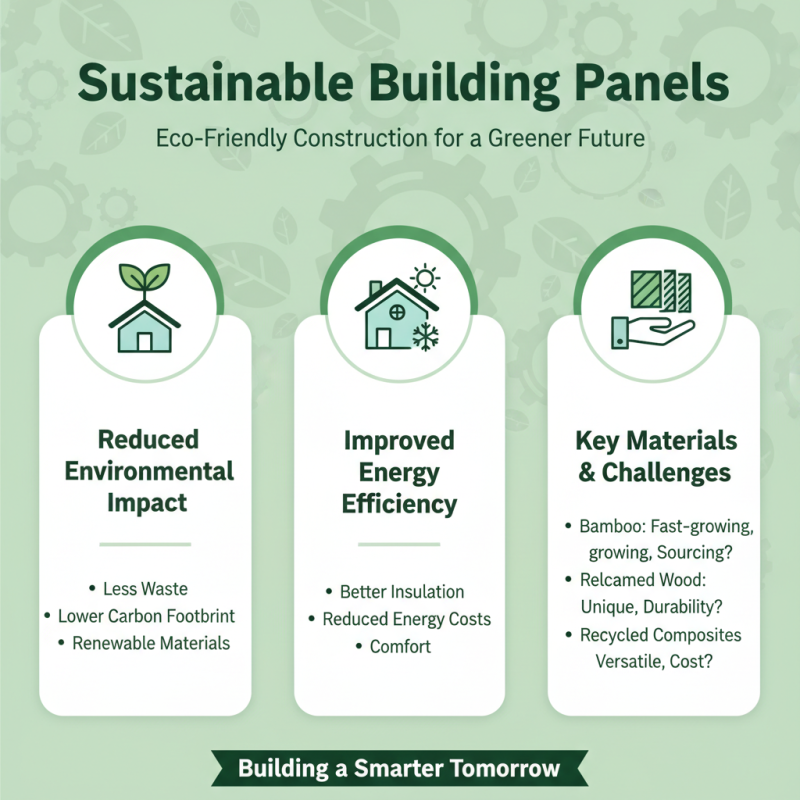
In recent years, the construction industry has shifted towards more sustainable practices. Eco-friendly building panels play a crucial role in this movement. These panels not only reduce environmental impact but also improve energy efficiency. Many materials, such as bamboo, reclaimed wood, and recycled composites, have gained attention. These options come with their own challenges, like sourcing and durability.

Bamboo panels, for instance, are strong and lightweight. They are rapidly renewable, but the supply chain can be complex. Reclaimed wood offers a unique aesthetic, preserving history in new projects. However, inconsistent quality can be an issue. Recycled composite panels are versatile and often designed for specific purposes. Yet, identifying truly sustainable options can be tricky, as not all composites are created equal.

It’s clear that the demand for eco-friendly building panels is growing. Construction professionals must navigate this evolving landscape carefully. Choosing the right materials might require time and research. Each option comes with benefits and drawbacks, prompting a closer look at what truly aligns with sustainability goals. By staying informed, builders can contribute to a greener future.

Innovative Technologies in Building Panel Manufacturing

Innovative technologies in building panel manufacturing are reshaping sustainable construction. New materials like bio-based composites are gaining traction. These panels are lightweight and durable. They reduce the carbon footprint significantly. Using natural fibers, such as hemp or flax, is becoming common. This shift is promising but not without challenges.

Automation is another key innovation. Advanced robotics improve efficiency in production lines. However, there are growing concerns about job displacement in traditional manufacturing roles. The balance between automation and employment needs careful consideration. Additionally, the recycling aspect of building panels still has room for improvement. Many existing options are not easily recyclable.

Moreover, the effectiveness of insulation in these panels varies widely. Some newer materials show great promise, while others fall short. It’s essential to keep testing these innovations in real-world settings. The goal is to push boundaries on energy efficiency and environmental impact. Continuous reflection on these technologies is necessary. Only then can the construction industry fully embrace sustainable practices.

Comparative Analysis of Performance and Durability

When considering building panels for sustainable construction, performance and durability are crucial. Panels made from recycled materials often show promising results. They can withstand harsh weather conditions and require less maintenance over time. Testing different panels reveals varying local climate adaptations. Some perform well in moisture-heavy regions, while others excel in extreme heat.

Tips: Always check the material certifications. They often reflect the panel's sustainability and durability. Seek feedback from builders who use specific panels.

Durability is not just about strength. It involves long-term sustainability. Some panels may look sturdy but degrade faster, impacting the entire structure. This reality leads to more frequent replacements and waste. Therefore, manufacturers’ claims should be scrutinized.

Tips: Consider lifecycle assessments. They provide insights into materials' long-term impact. This can help in choosing more durable options.

Sustainable construction struggles with uniformity. What works well in one region may not perform the same elsewhere. This inconsistency invites reflection on the choice of materials based on local conditions.

Future Trends in Sustainable Building Panel Solutions

The future of sustainable construction hinges on innovative building panel solutions. Lightweight and durable materials are becoming increasingly popular. These panels are designed to minimize waste and enhance energy efficiency. They promise to significantly reduce carbon footprints. However, many still question their long-term performance and durability.

Smart technology integration is also on the rise. Panels equipped with sensors can monitor energy use. This helps in adapting to changing environmental conditions. Yet, this technology can be expensive and complicated. Not every builder embraces these advanced solutions. Some fear the implications of data security.

Renewable materials are another key trend. For instance, panels from recycled sources are gaining attention. They offer a circular approach to construction. However, consistency and quality remain challenges. Not all recycled materials meet the stringent standards of modern construction. Finding balance in sustainability and practicality is an ongoing conversation.

2026 Best Building Panels for Sustainable Construction Solutions

Panel Type Material Sustainability Rating Thermal Performance (R-value) Recyclability Cost per Square Foot
Insulated Concrete Form (ICF) Concrete A+ R-25 Yes $10
Structural Insulated Panels (SIPs) EPS Foam and OSB A R-20 Yes $7
Cross-Laminated Timber (CLT) Wood A R-15 Yes $12
Fiber Cement Panels Cement and Cellulose B+ R-1.5 Yes $8
Recycled Plastic Panels Recycled Plastic A++ R-5 Yes $9