+1 877-337-9312 | sale@sflbuild.com

Blog

2026 Best Arm Cylinder Types for Global Buyers

Choosing the right Arm Cylinder is a practical decision for global equipment buyers. It affects lifting force, operating speed, stability, maintenance, and total ownership cost. A cylinder that looks suitable on paper may fail in dusty quarries, cold ports, or humid construction sites. Conditions matter.

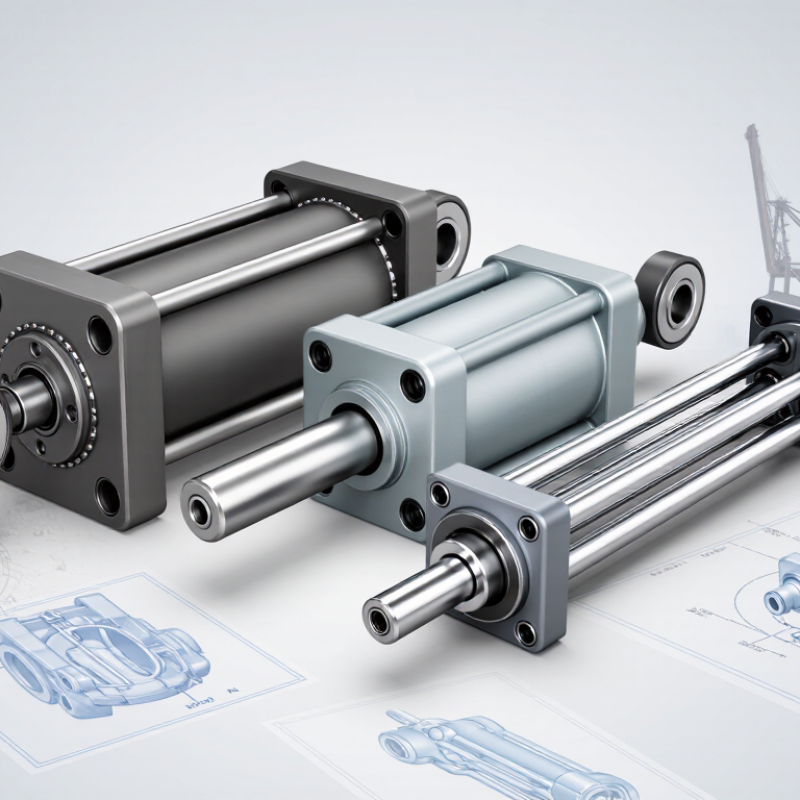
Hydraulics author Andrew Parr offers a useful engineering principle: “A cylinder is only as reliable as the system around it.” That principle guides this 2026 comparison. Welded cylinders provide compact strength for mobile machinery. Tie-rod cylinders support easier servicing in controlled industrial environments. Telescopic cylinders suit limited installation spaces and long extension requirements. Custom cylinders may solve unusual mounting or stroke demands, but they often require longer lead times and closer technical communication.

Global buyers should examine bore diameter, rod size, stroke length, working pressure, mounting style, seal materials, and surface protection. They should also confirm compatibility with local hydraulic oil, temperature ranges, replacement seals, and available service skills. A low purchase price can become expensive when spare parts travel across borders. Small details become large problems.

This guide compares major Arm Cylinder types through practical selection criteria. It considers real equipment pressures, not only catalogue ratings. Some recommendations may change after field testing. That is worth admitting. Manufacturer data can be incomplete, and installation quality still controls much of the final result. Buyers should verify drawings, pressure limits, certifications, and performance evidence before placing large orders. Reliability begins with careful questions.
2026 Best Arm Cylinder Types for Global Buyers

Arm Cylinder Basics and Core Operating Principles

2026 Best Arm Cylinder Types for Global Buyers

Arm Cylinder Basics and Core Operating Principles

An arm cylinder converts hydraulic pressure into controlled linear movement. A pump sends oil through a directional valve. The valve fills one side of the cylinder, pushing the piston and rod outward. Reversing the flow retracts the rod. This is the core operating principle behind most excavator and material-handling arms.

Common designs include welded cylinders, tie-rod cylinders, double-acting cylinders, and cushioned cylinders. Welded models suit heavy equipment because their compact bodies tolerate demanding loads. Tie-rod designs allow easier servicing in lighter applications. Double-acting cylinders provide powered extension and retraction. Cushioning reduces impact when the piston reaches the end of its stroke. However, cushioning cannot correct poor sizing or excessive side loading.

Bore diameter controls pushing force, while rod diameter affects buckling resistance and retraction force. Stroke length determines the arm’s working range. Buyers should check working pressure, pin dimensions, mounting style, seal materials, and oil cleanliness. A clean calculation may still fail in muddy conditions. Field inspections often reveal bent rods, loose pins, or damaged seals before pressure readings show trouble.

Tips: Measure the existing cylinder before ordering. Confirm bore, stroke, rod size, and closed length. Choose corrosion-resistant protection for wet environments. Keep hydraulic oil filtered. Do not judge capacity from appearance alone. A small alignment error can create expensive wear.

Main Arm Cylinder Types and Their Structural Differences

2026 Best Arm Cylinder Types for Global Buyers

Main Arm Cylinder Types and Their Structural Differences

Arm cylinders are usually double-acting hydraulic cylinders, but their structures vary by duty. Welded cylinders use a continuously welded barrel, integrated ports, and a threaded or welded head. They are compact and resist vibration, making them common on excavator arms. Tie-rod cylinders use four external rods to clamp the end caps against the barrel. They are easier to service, but exposed rods can collect mud and suffer corrosion. Telescopic cylinders use nested stages for longer stroke in limited spaces. Their structure is more complex, with tighter sealing and greater alignment demands.

The choice should follow load, stroke, installation space, and side-loading risk. ISO 6020/2 and ISO 6022 provide useful dimensional and pressure references for metric hydraulic cylinders. A 2024 Fortune Business Insights report valued the global hydraulic cylinders market at about USD 14.5 billion in 2023 and projected continued growth through 2032. This supports demand, but market growth does not make every design suitable.

For heavy arm applications, welded double-acting cylinders usually offer better stiffness and contamination protection. Mill-duty designs add thicker barrels, stronger glands, and replaceable wear components for severe cycles. Chrome-plated rods help, yet poor pin alignment can still damage seals. Field inspections often find this issue first. A clean specification should state rod diameter, bore, stroke, retracted length, working pressure, mounting dimensions, and cushioning. Buyers sometimes compare only pressure ratings. That is not enough. A lighter cylinder may fit perfectly, then fail under repeated side loads.

How to Match Cylinder Specifications with Equipment Requirements

2026 Best Arm Cylinder Types for Global Buyers

How to Match Cylinder Specifications with Equipment Requirements

Choosing an arm cylinder starts with the machine’s real operating conditions, not a catalog photo. Most excavator arms need double-acting welded cylinders for controlled extension and retraction. Bore size determines pushing force, while rod diameter affects buckling resistance. Stroke must match the arm’s full movement without bottoming out. According to Grand View Research’s 2024 hydraulic cylinder assessment, the global market was valued at approximately USD 15 billion in 2023, with construction equipment remaining a major demand sector. That growth reflects stronger needs for reliable, application-specific sizing.

Pressure ratings also require careful checking. A cylinder rated for 250 bar may fail early if shock loads, contaminated oil, or repeated side loading are ignored. ISO 6020/2 and ISO 6022 provide useful dimensional and performance references, but they do not replace field calculations. In my experience, buyers often focus on bore and stroke, then overlook pin diameter, mounting width, seal temperature range, and hose routing. That is an expensive gap. A slightly larger rod can improve stability, yet it may reduce speed and increase machine weight. The “best” specification is rarely perfect.

Tips: Record working pressure, peak load, cycle frequency, ambient temperature, and oil type. Select corrosion protection for coastal or humid sites. Confirm retracted length before ordering. Leave tolerance for alignment. It matters. When data is incomplete, request load-cycle testing instead of guessing.

Materials, Sealing Systems, and Performance Standards by Market

2026 Best Arm Cylinder Types for Global Buyers

Materials and sealing systems should match the working market, not only the machine drawing. Grand View Research estimated the global hydraulic cylinder market at about USD 14 billion in 2023. Its forecast also indicates continued growth through 2030. Construction and material handling remain major demand areas. These sectors punish weak surface finishes and poor contamination control.

For general construction, honed steel barrels and induction-hardened chrome rods offer practical durability. Medium-carbon alloy steel can handle repeated loading, but corrosion protection needs attention near coasts. NBR seals suit many mineral-oil systems between roughly -30°C and 100°C. Polyurethane seals resist abrasion better in dusty worksites. FKM performs better at higher temperatures, although it costs more. PTFE backup rings help control extrusion under high pressure.

Regional standards change the buying decision. ISO 6020/2 and ISO 6022 define common mounting and pressure expectations for metric cylinders. North American buyers often compare designs with NFPA hydraulic cylinder practices. European equipment commonly requires evidence supporting the Machinery Regulation framework and applicable EN standards. Japan and China may expect JIS or GB conformity documents. ISO 4413 also stresses cleanliness, pressure control, and safe hydraulic-system design. MarketsandMarkets reported construction equipment as a leading hydraulic-cylinder application in its 2024 market analysis.

Still, catalog pressure ratings can mislead. Actual life depends on side load, rod alignment, oil cleanliness, and temperature cycling. I would request test data, seal compound details, and fatigue results before approving a large order. Some suppliers provide too little evidence.

Global Purchasing Factors: Quality, Compatibility, Cost, and Support

Choosing an arm cylinder in 2026 requires more than comparing prices. Welded cylinders suit excavators because they tolerate vibration and limited space. Tie-rod designs can simplify servicing, while telescopic cylinders fit specialized lifting applications. MarketsandMarkets’ 2024 Hydraulic Cylinders report projects roughly 6% annual market growth through 2029. That growth increases supplier choice, but also increases quality differences.

Quality starts with measurable details. Check bore diameter, stroke length, rod coating, seal material, rated pressure, and mounting dimensions. ISO 6020/2 and ISO 6022 provide useful dimensional and pressure references. Compatibility remains critical. A cylinder can look correct and still fail because of a two-millimeter pin mismatch. Confirm hydraulic ports, oil type, operating temperature, and machine control settings. Total cost includes freight, installation, downtime, spare seals, and warranty response. A low quotation may become expensive after one damaged rod. Support matters most when a machine stops in a remote yard. Ask for inspection records, pressure-test results, drawings, and replacement-part lead times. Documentation is not decoration.

Tips: Request one sample unit before a volume order. Measure the old cylinder in person. Keep photos of pins, ports, and mounting brackets. Compare landed cost, not factory price. Some buyers still overlook local repair capability. That is worth reconsidering. A supplier with slower delivery but dependable technical support may protect productivity better than a cheaper unknown source. Feedback from mechanics should influence the final decision.