Why Choose Acoustic Wall Solutions for Soundproofing Your Space?
In today’s bustling world, effective soundproofing is essential for various spaces. Acoustic walls are becoming a preferred solution for businesses and homes alike. According to a report by the Acoustical Society of America, nearly 70% of people in open spaces are distracted by noise. This indicates a growing need for effective acoustic solutions.
Dr. James Harmon, a leading expert in sound engineering, states, “Acoustic wall solutions create the ideal environments for productivity and relaxation.” His insight reflects the importance of reducing noise to enhance focus. As urban living increases, the demand for acoustic wall installations has surged, with a projected growth of 8% annually over the next five years.
However, choosing the right acoustic wall materials can be challenging. Not all products deliver the desired soundproofing effects. It’s crucial to evaluate the specific needs of your space. Investing in professional advice can save time and resources. The search for effective solutions in soundproofing continues, emphasizing the need for informed decisions in acoustic wall applications.
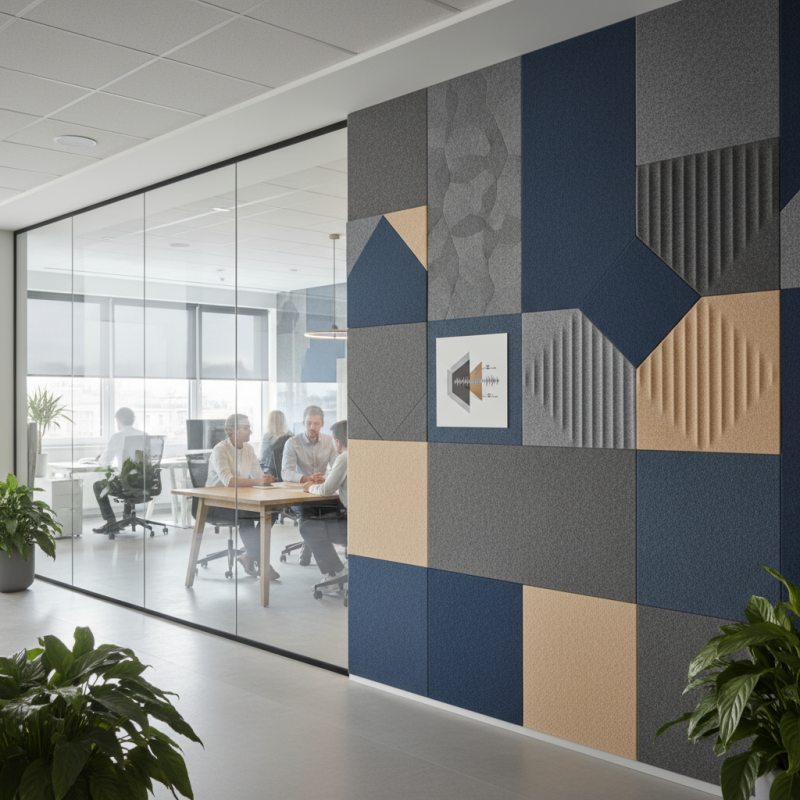
Understanding the Basics of Acoustic Wall Solutions
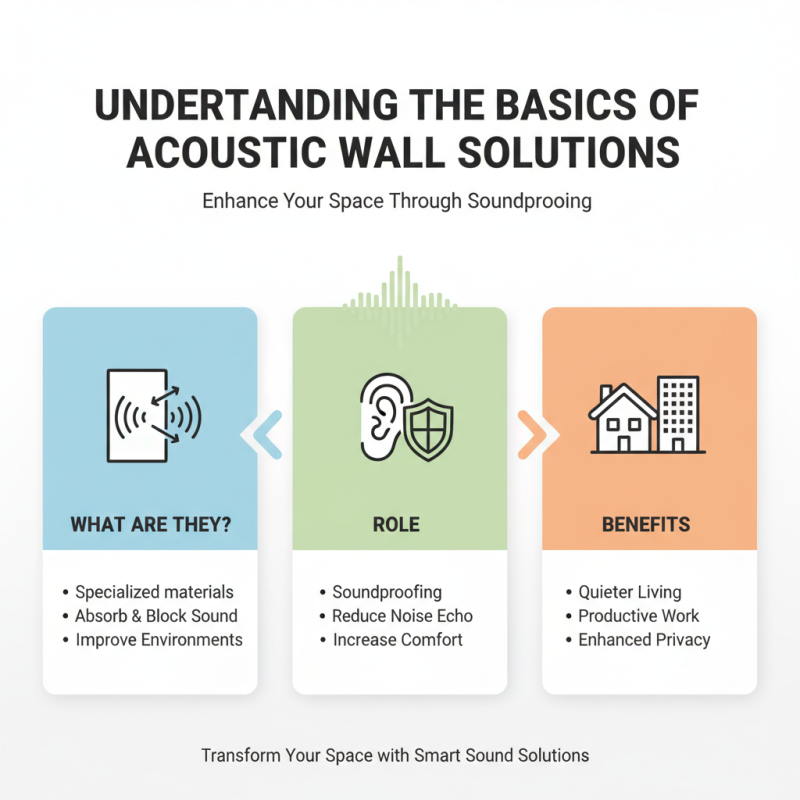
Acoustic wall solutions play a vital role in soundproofing various environments. These solutions involve specialized materials designed to absorb and block sound. Understanding how these materials work can enhance your living or working space significantly.
Acoustic panels are commonly used. They can be made from foam, fabric, or wood. Each material has its own sound-absorbing properties. For example, foam panels are lightweight and easy to install. However, they may not provide the same level of sound blocking as denser materials. Observing different setups can spark ideas for your space.
Some installations might look appealing but lack efficiency. It’s essential to consider both aesthetics and sound performance. Testing available options often exposes issues, like echoes or sound leakage. Focusing on these aspects ensures an informed decision. Consider consulting with professionals for tailored advice. Their experience can guide you in choosing the right products.
Benefits of Soundproofing for Residential and Commercial Spaces
Acoustic wall solutions offer significant benefits for both residential and commercial spaces. In homes, noise pollution can disrupt daily life. Families often seek peace and quiet, especially in bustling urban areas. Acoustic treatments can help create serene environments by reducing external noise, allowing for better focus and relaxation. Imagine enjoying your favorite movie without interruptions from busy streets.
In commercial settings, soundproofing is equally crucial. Open offices can be noisy, affecting productivity. Employees often struggle to concentrate in a disruptive environment. Implementing acoustic wall solutions can create quieter spaces, promoting collaboration and creativity. A well-soundproofed conference room enhances communication during meetings.
While these solutions are effective, they may not address all noise issues. Some residual sound can still seep through. Additionally, cost may be a concern for some. It’s essential to weigh the benefits against potential challenges. Reliable advice from experts can guide your decisions, ensuring soundproofing meets your needs effectively.
Benefits of Soundproofing with Acoustic Wall Solutions
This chart illustrates the key benefits of soundproofing for both residential and commercial spaces, comparing the effectiveness of acoustic wall solutions based on various factors.
Types of Acoustic Wall Materials and Their Effectiveness
Acoustic wall materials play a crucial role in soundproofing. Various options are available, such as foam, fabric, and wood. Each material offers unique benefits and varying levels of effectiveness. According to the Acoustical Society of America, sound-absorbing materials can reduce noise by up to 30 decibels. This reduction greatly enhances the comfort of any space.
Foam panels are popular for their ease of installation and affordability. They can absorb high frequencies effectively, making them suitable for home studios or offices. However, they may not perform as well against low-frequency sounds, which can be a challenge in larger spaces. Fabric-wrapped panels offer a blend of aesthetics and performance, often outperforming foam in various frequency ranges. Wood solutions can also enhance acoustics while adding a stylish touch to interiors.
Tip: When choosing materials, consider the specific noise issues in your space. It may be helpful to consult with an acoustic professional for tailored advice.
Careful material selection is key. Misjudging the type of soundproofing needed can lead to unsatisfactory results. A comprehensive assessment can save time and money in the long run. Ultimately, soundproofing is about finding the right balance between design and functionality.
Installation Process for Acoustic Wall Solutions
When considering acoustic wall solutions, the installation process is crucial for achieving optimal soundproofing. Begin by assessing the specific needs of your space. Measure dimensions carefully to determine the quantity and type of materials required. Acoustic panels can vary significantly in thickness and density, affecting the final sound quality. A precise approach here can help prevent unnecessary expenses and ensure efficiency.
Preparing the walls is an essential step. Remove any existing wall coverings, and ensure the surface is clean and smooth. This may require patching up holes and applying a primer. Even minor imperfections can affect the adhesion of acoustic panels. It's important to note that proper alignment during installation plays a pivotal role. Misaligned panels may lead to gaps, reducing their effectiveness in sound absorption.
Adhesives or mounting hardware are next. Carefully follow the manufacturer's instructions. While it can be tempting to rush this process, taking your time yields better results. Remember to allow enough drying time if using adhesives. After installation, test the soundproofing effectiveness of your walls. Reflecting on the outcome is essential. If you notice areas needing improvement, adjustments can be made for enhanced performance.