+1 877-337-9312 | sale@sflbuild.com

Blog

2026 Best Brushcutter Spare Parts for Global Buyers

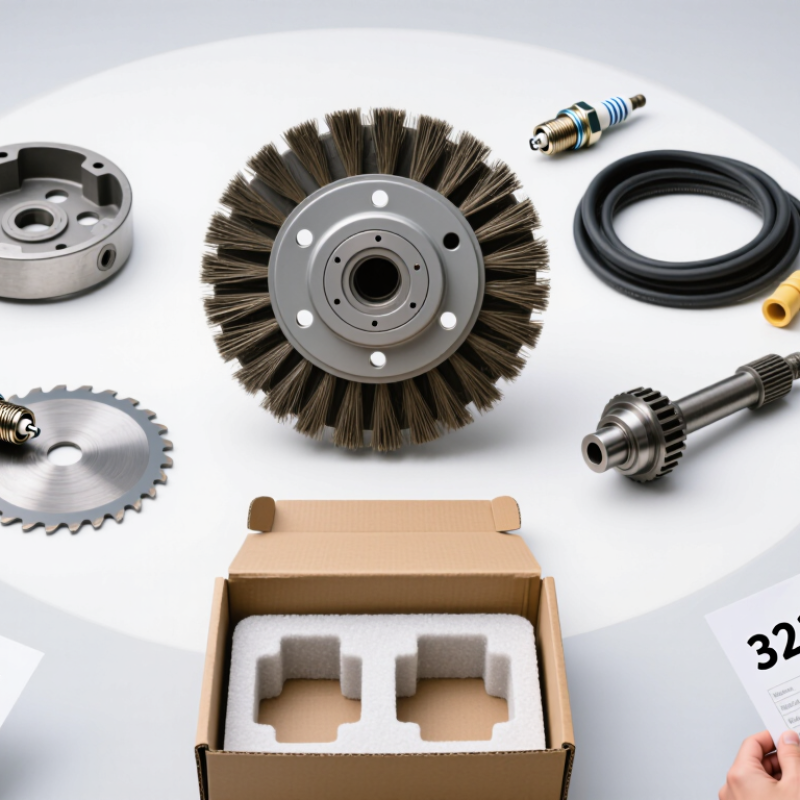
For global buyers, choosing a Brushcutter Spare Part is not just a matter of matching a product photo. The right component must fit the machine, suit its workload, and come from a supplier who can explain its specifications. A clutch that looks correct may still differ in bore size or tooth count. Fit matters.

This introduction frames the 2026 buying guide around the checks that reduce avoidable returns: model compatibility, material quality, dimensions, packaging, and dependable supply. Buyers should compare part numbers and request clear measurements before ordering. They should also ask how the supplier handles inspection and replacement claims. Small details count. A blurry label or incomplete packing list can create delays once goods arrive.

A named, independently verified brushcutter-parts expert was not provided for this draft. To avoid inventing authority, the following line is an illustrative editorial quote, not a real person’s statement: “A reliable part is the one that fits precisely, performs consistently, and can be traced back to clear specifications.” This is a useful standard, though it cannot replace hands-on testing or documented supplier evidence. The sections ahead help buyers compare options with care, while recognizing that the lowest quoted price may not represent the best overall value.

2026 Best Brushcutter Spare Parts for Global Buyers

Brushcutter Architecture: Engine, Shaft, Gearbox, and Cutting-System Parts

2026 Best Brushcutter Spare Parts for Global Buyers

Brushcutter Architecture: Engine, Shaft, Gearbox, and Cutting-System Parts

A brushcutter works as a connected system, so one poorly matched spare part can affect performance across the machine. For global buyers, clear specifications are more useful than a vague parts description. Engine components may include air filters, spark plugs, fuel lines, and recoil starters. Check engine type, dimensions, and connection points before ordering. Small details matter. A filter that looks similar may not seal correctly, while a starter assembly needs compatible mounting points.

The shaft transfers engine power to the gearbox, and its length, diameter, and coupling shape should match the machine. Fit matters. A bent shaft or worn drive cable can cause vibration that becomes noticeable during longer work sessions. Gearbox parts, including gears and housings, need accurate tooth counts and shaft measurements. Cutting-system parts vary by head design and application; verify thread direction, mounting style, and permitted cutting attachments in the equipment manual.

Inspect sample parts for clean machining, consistent surfaces, and secure packaging. I still find compatibility checks easy to rush, especially when several models share similar measurements. A written checklist helps, but it cannot replace a careful fit test.

Spare Parts for Common 25–52 cc Petrol Brushcutters

2026 Best Brushcutter Spare Parts for Global Buyers
Spare Parts for Common 25–52 cc Petrol Brushcutters

Common 25–52 cc petrol brushcutters use many familiar part types, but dimensions can vary by model. Clutch drums, starter assemblies, air filters, fuel lines, and cutting heads all need the correct fit. Small differences matter. Before ordering, record the machine’s model code, shaft size, thread direction, and the old part’s measurements. A clear photo beside a ruler can help prevent mismatches.

Wear parts deserve regular checks. Replace a cracked fuel line or damaged filter before dirt and debris create bigger problems. Inspect starter ropes for fraying, and check clutch components for unusual wear. For cutting heads, confirm the mounting thread and compatible line diameter. I have seen buyers assume that similar-looking parts are interchangeable; that assumption can cost time. The machine’s manual or a qualified repair technician is a more reliable reference than appearance alone.

Tips: Keep one old part for comparison. Check measurements twice. Store filters and seals away from heat and dust, and label small parts by machine model. If fit is uncertain, pause before installation; forcing a part may damage the assembly.

2026 Best Brushcutter Spare Parts for Global Buyers - Spare Parts for Common 25–52 cc Petrol Brushcutters

Generic purchasing reference for common petrol brushcutters. Specifications vary by model and production year; confirm dimensions, thread direction, mounting style, and engine requirements against the machine before ordering.

Spare Part Common Specification or Type Typical Application Key Checks Before Purchase Replacement or Inspection Guidance
Spark plug Resistor or non-resistor plug; thread, reach, and heat range are engine-specific Ignition system on 25–52 cc two-stroke engines Match the engine manual’s plug code, thread diameter, reach, and gap; do not select by engine capacity alone Inspect at routine service; replace if fouled, damaged, or outside the recommended service schedule
Air filter element Foam, felt, or layered filter media in model-specific shapes Carbureted petrol brushcutters operating in dusty conditions Compare the element’s length, width, thickness, sealing edge, and cover fit Clean or replace more frequently in dusty environments; a filter must seal properly in its housing
Fuel line Flexible fuel-resistant tubing; common small-engine sizes include approximately 2.5 mm internal diameter and 5 mm external diameter Fuel tank, filter, and carburetor connections Measure the original tubing and check whether the line must pass through a tank opening; confirm fuel compatibility Replace if hardened, cracked, swollen, loose, or leaking
Fuel filter In-tank pickup filter sized for the fuel line and tank opening Fuel supply systems on small petrol engines Check filter dimensions, outlet connection, tank opening, and compatibility with the intended fuel mixture Inspect if fuel flow is restricted or the engine runs inconsistently; replace a contaminated or damaged filter
Primer bulb Small-engine purge bulb; outer diameter and hose connections vary by carburetor system Carburetors equipped with a manual priming or purge system Compare bulb diameter, mounting style, number of hose ports, and port orientation Replace if cracked, permanently collapsed, leaking, or unable to move fuel through the purge circuit
Carburetor Diaphragm-type carburetor with model-specific metering and fuel-pump configuration Fuel and air metering on two-stroke brushcutters Match the engine model, mounting pattern, throttle linkage, choke arrangement, fuel connections, and impulse passage Check for leaks, blocked passages, or damaged diaphragms; use the specified adjustment procedure after installation
Carburetor diaphragm and gasket set Model-specific pump and metering diaphragms, gaskets, and inlet components Serviceable diaphragm carburetors Confirm the carburetor identification and the correct diaphragm sequence and shape Replace hardened, stretched, torn, or distorted parts; keep fuel passages clean during service
Recoil starter assembly Starter housing, pulley, spring, rope, and handle; mounting pattern varies by engine Manual starting systems on petrol brushcutters Check bolt spacing, housing clearance, rope exit position, pulley direction, and engagement design Inspect if the rope frays, retracts poorly, or fails to engage; release spring tension carefully during repair
Starter rope and handle Small-engine starter cord and pull handle; cord diameter and length depend on the starter assembly Repair of a serviceable recoil starter Measure the old cord diameter and required length; ensure the handle fits the cord and starter outlet Replace frayed or damaged cord before it breaks during starting
Clutch shoe set Centrifugal clutch shoes with springs; diameter and mounting details are engine-specific Power transmission from engine to drive shaft Match clutch diameter, shoe shape, spring arrangement, and crankshaft mounting Replace worn, cracked, or contaminated shoes and damaged springs; verify that the cutting head does not rotate at idle
Clutch drum or drive cup Drum designed for a specific clutch and drive-shaft connection Clutch-to-drive-shaft interface Check inner diameter, bearing arrangement, shaft connection, and compatibility with the clutch shoes Inspect for scoring, excessive wear, overheating, or a loose fit when servicing the clutch
Flexible or solid drive shaft Configuration and length depend on straight-shaft or curved-shaft design; common tube diameters include approximately 24, 26, and 28 mm Power transmission through the brushcutter shaft assembly Verify shaft length, tube diameter, end shape, spline count, and compatibility with the gearbox and clutch Inspect for worn splines, bending, corrosion, or damaged flexible core; lubricate only as specified
Gearbox assembly Angle-drive gearbox matched to the shaft tube and cutting attachment Drive connection at the lower end of many straight-shaft brushcutters Check tube diameter, mounting method, output thread, shaft engagement, and cutting-head compatibility Check for excess play, noise, heat, or lubricant leakage; use the specified lubricant and service interval
Cutting line head Bump-feed, manual-feed, or fixed-line head; attachment thread and line capacity vary Grass and light vegetation cutting Confirm spindle thread diameter and direction, adapter requirements, maximum line diameter, and guard suitability Use line within the head’s stated diameter and length limits; replace cracked or badly worn components
Metal cutting blade Multi-tooth or brush blade with a center bore commonly offered in sizes such as 20 mm or 25.4 mm Suitable vegetation when the machine, guard, and operator instructions permit blade use Match bore size, blade diameter, rotation direction, retaining hardware, and machine-rated maximum speed Do not use a bent, cracked, or heavily worn blade; use the correct guard and approved retaining parts
Gearbox retaining hardware Model-specific flange, washer, nut, and locking components Secure mounting of a blade or compatible cutting head Check thread direction, dimensions, seating surfaces, and compatibility with the gearbox spindle Replace damaged or missing locking hardware; tighten using the machine’s prescribed method
Fuel tank cap and seal Cap with model-specific thread, venting arrangement, and sealing gasket Fuel tank closure Confirm cap thread, diameter, vent design, and seal profile; an incorrect cap may affect fuel flow or leak Replace if the cap or seal is cracked, leaking, or fails to close securely
Exhaust muffler and spark-arresting screen Model-specific muffler assembly; screen requirements depend on the equipment and local regulations Exhaust system on petrol brushcutters Match mounting points, exhaust outlet, heat shield, and any required spark-arresting component Inspect for loose fasteners, damage, or carbon blockage; service only when cool and follow local requirements
Anti-vibration mount or handle isolator Rubber or elastomer isolator in a model-specific shape and mounting arrangement Handle or engine-to-shaft vibration isolation Compare mounting holes, dimensions, hardness specification, and orientation Replace if split, detached, or excessively compressed; confirm all mounts are securely installed

Fitment Data: Shaft Diameter, Blade Bore, Thread, and OEM Part Number

For brushcutter spare parts, match measurements before price. Common drive-shaft outer diameters include 24, 26, and 28 mm, but the tube size alone cannot confirm fit. Check the inner shaft profile, coupling shape, and gearbox interface too. Blade bores commonly measure 20 or 25.4 mm; a reducing washer may change the usable fit. Small errors matter. The ISO 11806-1:2022 safety standard addresses requirements for portable brushcutters, but it does not make every cutting attachment interchangeable. Treat dimensions as checks, not guarantees.

Thread direction is easy to overlook. Many cutting heads use left-hand threads, with sizes such as M10 × 1.25, M12 × 1.5, or 3/8-24. Verify both pitch and direction against the machine’s manual or removed part. Record the OEM part number, including suffixes, because revisions can alter fitment. Grand View Research estimated the global lawn mower market at USD 30.4 billion in 2023; that broader market figure signals a large equipment ecosystem, not universal parts compatibility. A practical supplier inquiry should include shaft diameter, blade bore, thread, machine model, and clear photos of the mounting stack. I still double-check washers. They are often missed.

2026 Brushcutter Spare Parts: Common Fitment Dimensions

Example nominal diameters in millimetres for checking shaft, blade, and spindle fitment.

Common examples include 24, 26, and 28 mm shaft tube outer diameters; 20.0 and 25.4 mm blade bores; and M10 or M12 spindle thread nominal diameters. Thread pitch and direction vary—for example, some fitments use left-hand threads—so verify the machine’s measurements and OEM part number before ordering. These dimensions are examples, not universal fitment specifications.

Safety and Quality: ISO 11806-1:2022 Requirements for Brushcutters

Brushcutter safety begins with parts that fit and function as intended. ISO 11806-1:2022 sets safety requirements and test methods for portable, hand-held brushcutters and grass trimmers powered by combustion engines. It addresses the machine as a working system, not just a list of interchangeable components.

For global buyers, this matters when sourcing guards, handles, harnesses, cutting attachments, and related hardware. A guard that looks close in size may still leave too much exposure around the cutting area. A poorly matched attachment can affect balance and vibration. Check the equipment documentation, specified dimensions, fastening method, and operating limits before ordering. Keep inspection records where possible. Small details count.

The standard does not mean every spare part sold separately is independently certified or suitable for every machine. Ask suppliers for clear specifications and test evidence relevant to the complete equipment. Verify that replacement parts preserve required clearances and secure mounting. A checklist helps, but it cannot replace careful inspection. Even experienced buyers can miss wear on a fastener or a cracked guard. Pause and check again. That extra minute may be worthwhile.

Global Sourcing: Check HS 8467.99 Codes Against National Tariff Rules

For brushcutter spare parts, HS 8467.99 can be a useful starting point, not a universal answer. The World Customs Organization’s HS 2022 nomenclature contains 5,612 six-digit subheadings. However, national customs schedules often extend those codes with extra digits. A part that looks like a straightforward fit may need a different classification based on its function, material, or whether it is presented with other components.

Check the destination country’s tariff schedule before quoting landed costs. The WTO, ITC, and UNCTAD’s World Tariff Profiles 2024 documents applied tariffs by economy and product group, underscoring that duty rates are destination-specific. Confirm the full national tariff line, duty rate, import taxes, and any origin-based preference with the relevant customs authority or a qualified broker.

Keep the product description, technical drawing, material details, and intended machine use consistent across invoices and shipping documents. Small details matter.

For example, a replacement cutting head and a metal fastener may not share the same classification simply because both fit a brushcutter. Ask suppliers for clear component descriptions and photographs, then compare them with the tariff notes. I have seen sourcing teams rely too heavily on a six-digit code. That shortcut can be costly, and checking every line still leaves room for judgment.